
Diversity and Inclusion (DEIA)
3 Overlooked Marketing Lessons In Cracker Barrel’s Logo Backlash

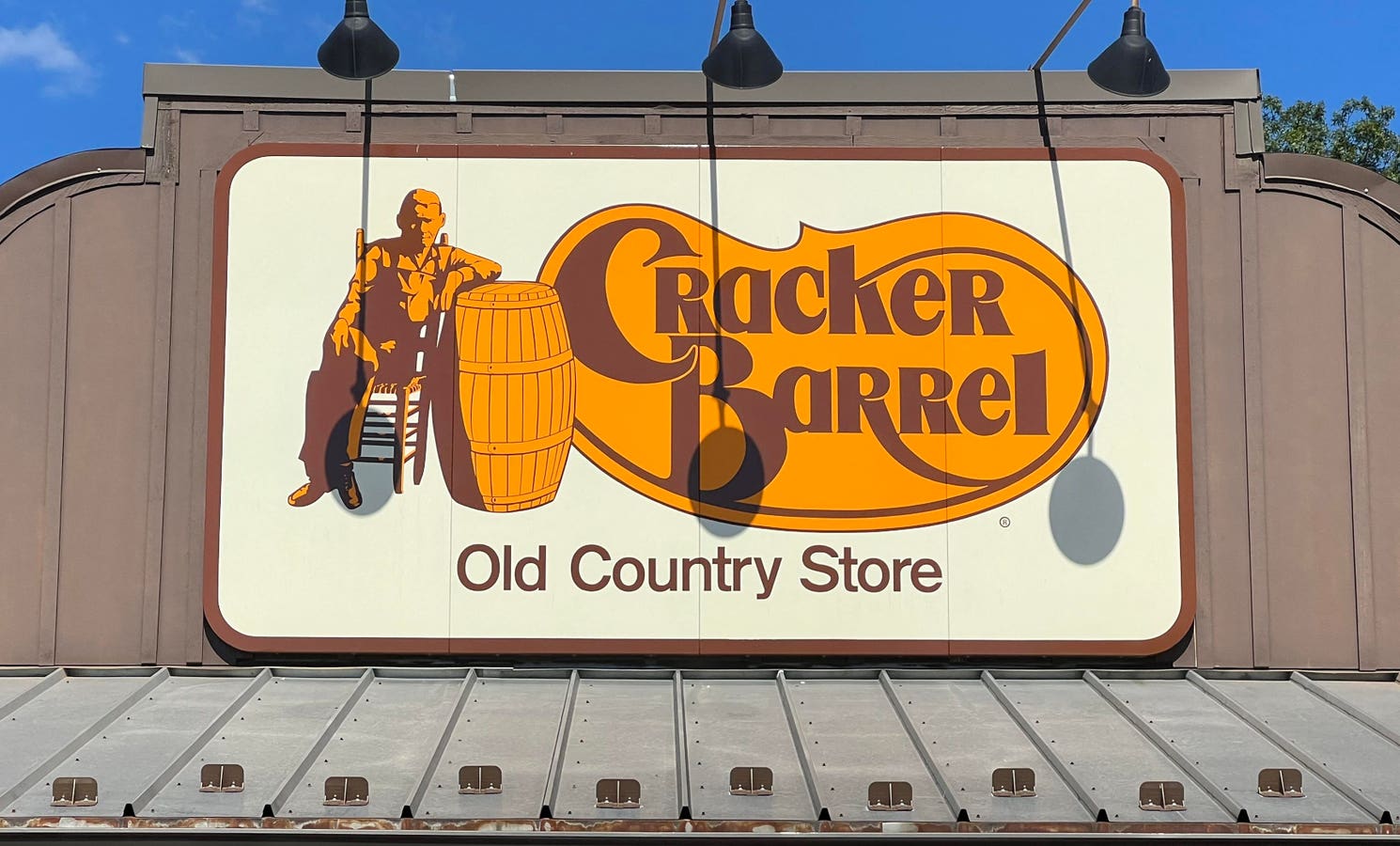
The recent controversy surrounding Cracker Barrel’s logo change has sparked a heated debate about the importance of brand values, strategic direction, and market research. The beloved American chain, known for its country cuisine and folksy “Old Country Store” setting, attempted to rebrand itself with a new logo, but the move was met with swift backlash from customers and social media users. Despite initially defending the change, Cracker Barrel ultimately reversed course and returned to its old logo, leaving many to wonder about the true reasons behind the decision.
Brand Values and Consumer Loyalty
At the heart of the controversy is the issue of brand values and how they impact consumer loyalty. Cracker Barrel’s attempt to modernize its logo was seen by many as a departure from the company’s core values, which are deeply rooted in American tradition and culture. The backlash was not just about the logo itself, but about what it represented: a perceived shift away from the values that customers had come to associate with the brand. This highlights the importance of brand values in driving consumer decisions, with 82% of consumers saying they want to buy from brands that share their values.
The incident also raises questions about the role of social media in shaping brand decisions. While Cracker Barrel’s initial defense of the logo change was likely an attempt to reassure customers that the company’s values remained unchanged, the ultimate decision to revert to the old logo may have been driven by the intense online backlash. This begs the question: should brands prioritize social media feedback over other factors, such as market research and financial data? The answer is not a simple one, but it is clear that brands must be careful to balance the needs and expectations of their customers with the need to make informed, data-driven decisions.
Strategic Direction and Decision-Making
The Cracker Barrel controversy also highlights the challenges of strategic decision-making in a polarized marketplace. The company’s attempt to rebrand itself was part of a broader effort to turn around declining sales and improve its financial standing. However, the backlash over the logo change threatened to undermine these efforts, and the company was ultimately forced to reverse course. This raises questions about who should drive strategic direction at a brand: customers, social media users, or company leaders? The answer is likely a combination of these factors, but brands must be careful to prioritize data-driven decision-making over emotional or knee-jerk reactions to online feedback.
The involvement of political leaders, including President Donald Trump, in the controversy has also raised concerns about the role of politics in shaping brand decisions. While brands must be mindful of the political climate and the potential impact of their decisions on different stakeholders, they must also be careful not to compromise their values or succumb to external pressures. As Dr. Anastasia Karlinka Gabriel, a culture expert and author, notes, “Brands are descending deeper and deeper into a dangerous territory in this political climate… Businesses must think not only about balancing research with potential backlash, but also about how their values align—or not—with the political machinery of our time.”
Market Research and Social Listening
Finally, the Cracker Barrel controversy highlights the importance of market research and social listening in informing brand decisions. While the company’s market research may have indicated that the new logo was a good idea, the intense backlash on social media suggested otherwise. This raises questions about the reliability of social media feedback as a measure of consumer sentiment, and the importance of evaluating feedback through multiple lenses, including sales data and customer behavior. As Renita Bryant, Chief Consultant at SightsSet Consulting, notes, “Brands just may need to give it time… They should be evaluating what consumers are actually doing, such as whether or not they’re still eating at Cracker Barrel and shopping at the stores.”
Ultimately, the Cracker Barrel controversy serves as a reminder of the complexities and challenges of brand decision-making in a rapidly changing marketplace. By prioritizing brand values, data-driven decision-making, and careful evaluation of feedback, brands can navigate these challenges and build strong, loyal relationships with their customers. Whether or not Cracker Barrel’s decision to revert to its old logo was the right one, it is clear that the company has learned a valuable lesson about the importance of listening to its customers and staying true to its values.




Community Mentorship Programs Help Strengthen Local Workforce and Social Impact

Low-Code Platforms are Changing How Businesses Build Internal Technology

Microlearning in Employee Training: A Practical Approach to Workplace Skill Development

Decision-Making Frameworks Improve Strategic Leadership and Organizational Clarity

Career Ladder Programs Strengthen Workforce Development and Employee Retention

Workplace Recognition Programs Improve Organizational Culture and Employee Engagement

Why Mental Endurance is Essential for Workplace Resilience

What Informational Interviews are and Why they Matter

How Emotional Intelligence Can Help You Manage Stress and Build Resilience

Interview with Dr. Kristy K. Taylor, WORxK Global News Magazine Founder

Sarah Herrlinger Talks AirPods Pro Hearing Aid

NetWork Your Way to Success: Top Tips for Maximizing Your Professional Network

Unlocking Human Potential: Kim Groshek’s Journey to Transforming Leadership and Stress Resilience

The Power of Belonging: Why Feeling Accepted Matters in the Workplace

Health-care stocks fall after Warren PBM bill, Brian Thompson shooting

Glenda Benevides: Creating Global Impact Through Music
-
 Resiliency7 months ago
How Emotional Intelligence Can Help You Manage Stress and Build Resilience
-
 Career Advice1 year ago
Interview with Dr. Kristy K. Taylor, WORxK Global News Magazine Founder
-
 Diversity and Inclusion (DEIA)1 year ago
Sarah Herrlinger Talks AirPods Pro Hearing Aid
-
 Career Advice1 year ago
NetWork Your Way to Success: Top Tips for Maximizing Your Professional Network
-
 Changemaker Interviews1 year ago
Unlocking Human Potential: Kim Groshek’s Journey to Transforming Leadership and Stress Resilience
-
 Diversity and Inclusion (DEIA)1 year ago
The Power of Belonging: Why Feeling Accepted Matters in the Workplace
-
 Global Trends and Politics1 year ago
Health-care stocks fall after Warren PBM bill, Brian Thompson shooting
-
 Changemaker Interviews12 months ago
Glenda Benevides: Creating Global Impact Through Music