
Innovation and Technology
3 Years After ChatGPT’s Launch, The AI Rush Has Only Just Begun

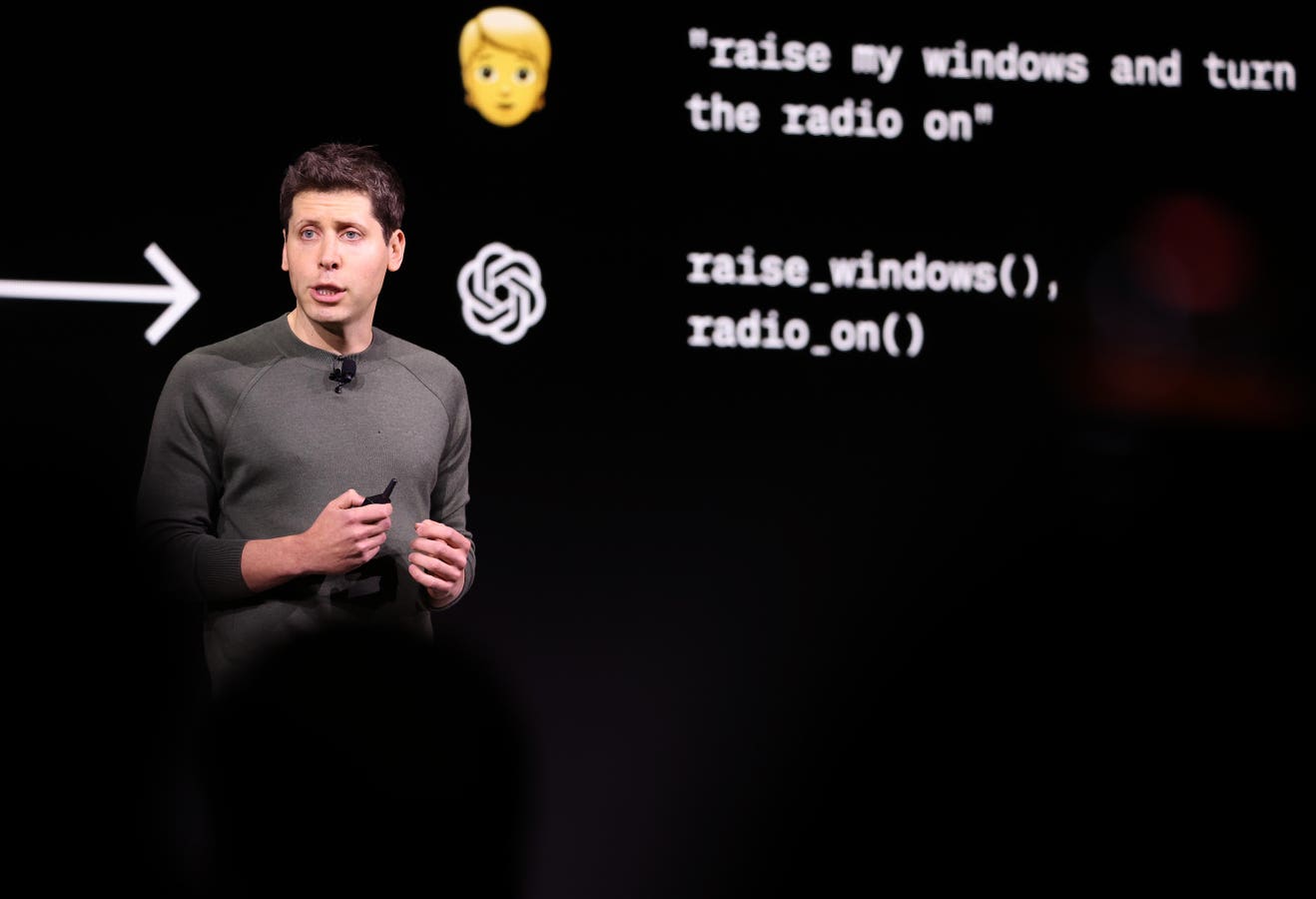
The world of artificial intelligence (AI) has undergone a significant transformation over the past three years, marked by unprecedented growth, intense competition, and rising concerns about the technology’s impact on society. At the forefront of this revolution is OpenAI, the company behind ChatGPT, a chat interface that has become one of the fastest-adopted consumer applications in history.
Early Days and Rapid Expansion
Since its release on November 30, 2022, ChatGPT has sparked a phenomenon that has influenced various industries, ignited geopolitical tensions, and triggered an investment frenzy. The generative AI landscape has evolved from a niche research field into a defining economic and technological narrative of the decade. This journey has been marked by competing breakthroughs, corporate drama, and sobering setbacks, as well as a growing chorus of concern and excitement about what comes next.
The initial shockwave hit academia first, with college professors worldwide grappling with the reality of students submitting assignments written by AI. Universities responded by adding AI clauses to academic integrity policies, while companies like Turnitin launched AI detection tools. The unease soon spread beyond campus walls, with over 1,800 signatories, including tech figures like Elon Musk, calling for an immediate pause on training AI systems more powerful than GPT-4.
Competition and Controversy
The competition in the AI space reached a fever pitch, with Google integrating AI into its core products, potentially altering the economics of content creation and search. OpenAI itself faced a corporate coup, with CEO Sam Altman being fired and then reinstated following a staff revolt and pressure from key investor Microsoft. This episode highlighted the central tension within the industry: the breakneck commercial push versus the existential caution preached by its founders.
Parallel to the boardroom battles, courtroom wars began, with The New York Times filing a landmark lawsuit against OpenAI and Microsoft, alleging copyright infringement. This case swung open the legal floodgates, with a wave of suits from authors, artists, and media companies, creating a thicket of intellectual property questions that remain largely untangled.
Global Implications and Market Trends
The real-world consequences of deploying powerful, unproven technology came into sharp focus, with incidents exposing important oversights, such as the lack of human empathy and judgment in AI systems. The market charged ahead, with 2024 and 2025 becoming the years of the AI titan, as companies like Apple and Nvidia made significant strides in the space.
Nvidia’s chips, the veritable plumbing of the AI revolution, propelled it to a historic valuation milestone, becoming the world’s first $4 trillion company in July 2025. The staggering sums have attracted governmental scrutiny and geopolitical maneuvering, with the U.S. releasing a national AI Action Plan and imposing tariffs on advanced chips to curtail China’s AI ambitions.
Regulation and Responsibility
As the AI landscape continues to evolve, the conversation is shifting from “Can it do this?” to “Should it do this?” and “How well?” The focus is moving toward reliability, cost-effectiveness, accuracy, integration, and regulation. The next milestones will likely be less about raw capability and more about structure and consequence.
The coming months may bring significant rulings on copyright lawsuits, setting precedent for a generation of content. Regulatory frameworks, like the EU’s AI Act, will begin to be enforced, and the market will likely undergo a shakeout, separating tools that deliver real utility and ROI from those built on optics and hype.
The Future of AI
The most profound changes may be the least visible: the steady integration of AI as a background layer in various industries, alongside the unglamorous work of building systems that are predictable, auditable, and accountable. The story of ChatGPT’s first three years was one of explosive and controversial arrival. The next chapter may be defined by slower, harder questions — about reliability, power, and who ultimately bears responsibility when these systems fail.




Community Mentorship Programs Help Strengthen Local Workforce and Social Impact

Low-Code Platforms are Changing How Businesses Build Internal Technology

Microlearning in Employee Training: A Practical Approach to Workplace Skill Development

Decision-Making Frameworks Improve Strategic Leadership and Organizational Clarity

Career Ladder Programs Strengthen Workforce Development and Employee Retention

Workplace Recognition Programs Improve Organizational Culture and Employee Engagement

Why Mental Endurance is Essential for Workplace Resilience

What Informational Interviews are and Why they Matter

How Emotional Intelligence Can Help You Manage Stress and Build Resilience

Interview with Dr. Kristy K. Taylor, WORxK Global News Magazine Founder

Sarah Herrlinger Talks AirPods Pro Hearing Aid

NetWork Your Way to Success: Top Tips for Maximizing Your Professional Network

Unlocking Human Potential: Kim Groshek’s Journey to Transforming Leadership and Stress Resilience

The Power of Belonging: Why Feeling Accepted Matters in the Workplace

Health-care stocks fall after Warren PBM bill, Brian Thompson shooting

Glenda Benevides: Creating Global Impact Through Music
-
 Resiliency7 months ago
How Emotional Intelligence Can Help You Manage Stress and Build Resilience
-
 Career Advice1 year ago
Interview with Dr. Kristy K. Taylor, WORxK Global News Magazine Founder
-
 Diversity and Inclusion (DEIA)1 year ago
Sarah Herrlinger Talks AirPods Pro Hearing Aid
-
 Career Advice1 year ago
NetWork Your Way to Success: Top Tips for Maximizing Your Professional Network
-
 Changemaker Interviews1 year ago
Unlocking Human Potential: Kim Groshek’s Journey to Transforming Leadership and Stress Resilience
-
 Diversity and Inclusion (DEIA)1 year ago
The Power of Belonging: Why Feeling Accepted Matters in the Workplace
-
 Global Trends and Politics1 year ago
Health-care stocks fall after Warren PBM bill, Brian Thompson shooting
-
 Changemaker Interviews12 months ago
Glenda Benevides: Creating Global Impact Through Music