
Global Trends and Politics
5 key takeaways from CNBC investigation

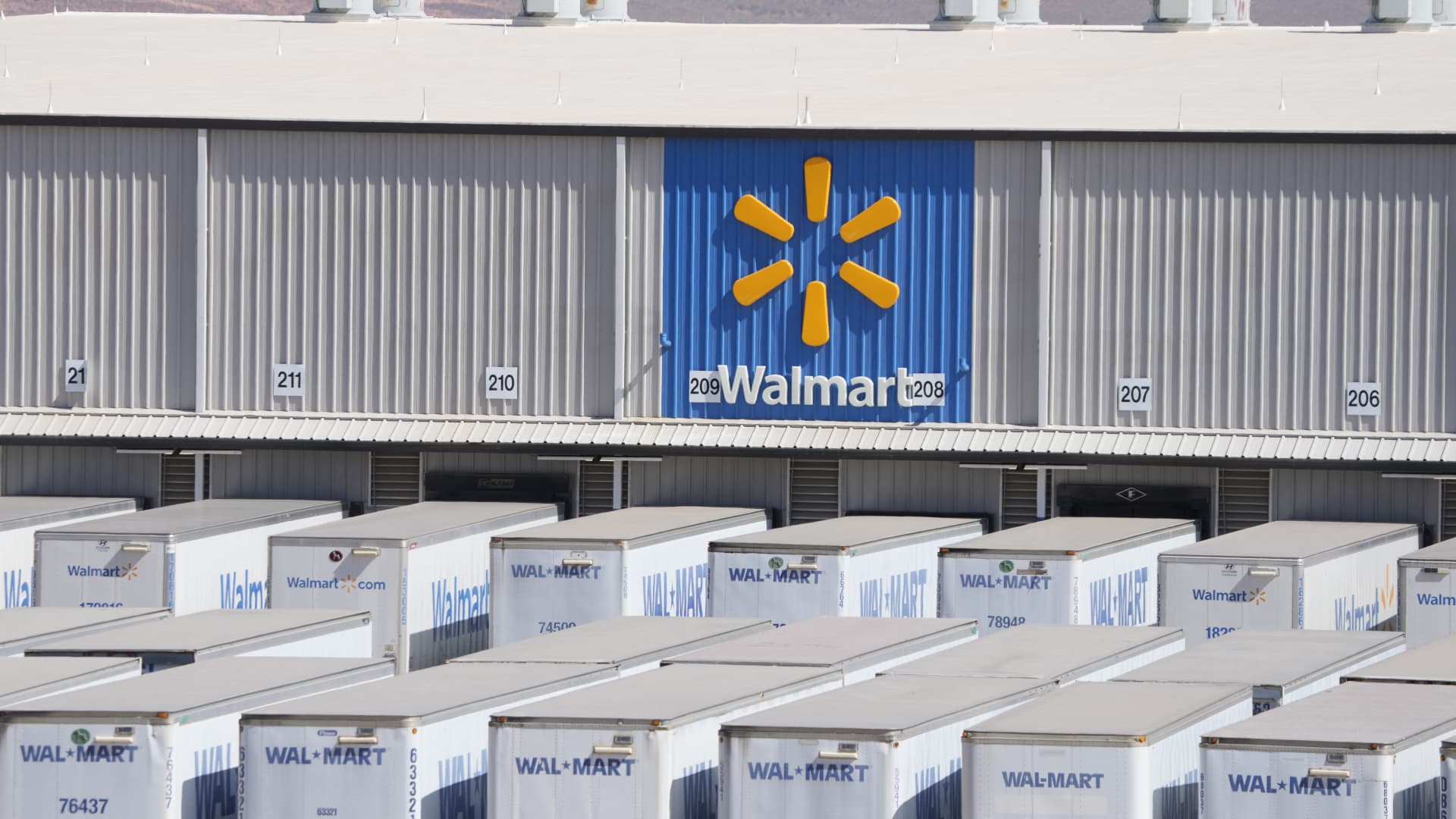
Walmart’s online marketplace has become a crucial component of its strategy to boost profits and compete with its long-time rival, Amazon. As the largest US retailer with over 4,600 locations nationwide, growing online sales is vital for its future success. However, a recent investigation has revealed that Walmart’s digital growth has come at a cost, with some consumers receiving counterfeit and potentially hazardous products from third-party sellers.
The investigation found that Walmart had loosened its controls on third-party sellers in an effort to attract more vendors and appear more welcoming than Amazon. This move has led to an increase in counterfeit products being sold on the platform, with some sellers even stealing the credentials of legitimate businesses to set up accounts. In one instance, a seller was found to be impersonating a large, publicly traded company, Thermo Fisher Scientific, to sell fake health and beauty products.
Stolen Identities and Product Tests
CNBC’s investigation discovered at least 43 third-party sellers who had used stolen identities to set up their accounts on Walmart’s marketplace. Some of these sellers were impersonating well-known companies, while others were smaller, private businesses. To test the authenticity of these products, CNBC purchased six highly rated, deeply discounted beauty products from sellers who were impersonating legitimate businesses. Unfortunately, all of the products tested were found to be counterfeit, according to lab testing and verification from the brands themselves.
Some of the companies being impersonated on Walmart’s platform reported receiving mysterious packages at their homes or businesses, which they later discovered were customer returns. One company, Lifeworks-ACS, received at least 14 returns, all of which were found to be counterfeit. This highlights the severity of the issue and the need for Walmart to take stronger measures to prevent counterfeit products from being sold on its platform.
Employee Pressure and Onboarding Process
Former employees of Walmart’s seller vetting team reported that the company had gradually loosened its controls on third-party sellers during the Covid pandemic. One former employee, Tammie Jones, stated that the requirements to join the marketplace were initially strict but were later relaxed to approve more sellers, even if they had concerns about the applicant’s credentials or documentation. This pressure to approve more sellers has contributed to the influx of counterfeit products on the platform.
The onboarding process for Amazon and Walmart’s marketplaces differs significantly. Amazon often requires sellers to conduct a video interview with a company employee, while Walmart’s marketplace does not list this as a requirement. Additionally, Walmart has made changes to the documentation required from sellers, including no longer requiring a W-9 and EIN form. This lack of stringent vetting has made it easier for counterfeiters to set up shop on the platform.
Walmart’s Changes and the Legal Landscape
In response to CNBC’s reporting, Walmart changed some of its marketplace vetting policies for beauty and personal-care products in late July. The company announced new restrictions for the category and will require certain sellers to participate in an “enhanced vetting program” for these items. This program will require sellers to provide documentation for each product, such as an invoice demonstrating that the product was sourced directly from a brand owner or manufacturer.
The sale of counterfeit goods on online marketplaces is a complex issue, with a lack of regulation making it difficult to eradicate the problem entirely. While selling counterfeit goods is a crime, platforms face almost no liability for facilitating their sale, as long as they take down listings for fake goods after brands bring them to their attention. The Shop Safe Act, a bipartisan federal bill, aims to curb the sale of counterfeit goods online by incentivizing platforms to better vet sellers and their products. However, the legislation has faced opposition from online marketplaces, including Walmart and Amazon, and has failed to pass on multiple occasions.
Conclusion
The issue of counterfeit products on Walmart’s online marketplace highlights the need for stricter vetting processes and greater accountability from online retailers. While Walmart has taken steps to address the problem, more needs to be done to prevent the sale of hazardous and fake products. As the online retail landscape continues to evolve, it is essential for companies to prioritize consumer safety and take proactive measures to prevent counterfeit goods from being sold on their platforms.


Community Mentorship Programs Help Strengthen Local Workforce and Social Impact

Low-Code Platforms are Changing How Businesses Build Internal Technology

Microlearning in Employee Training: A Practical Approach to Workplace Skill Development

Decision-Making Frameworks Improve Strategic Leadership and Organizational Clarity

Career Ladder Programs Strengthen Workforce Development and Employee Retention

Workplace Recognition Programs Improve Organizational Culture and Employee Engagement

Why Mental Endurance is Essential for Workplace Resilience

What Informational Interviews are and Why they Matter

How Emotional Intelligence Can Help You Manage Stress and Build Resilience

Interview with Dr. Kristy K. Taylor, WORxK Global News Magazine Founder

Sarah Herrlinger Talks AirPods Pro Hearing Aid

NetWork Your Way to Success: Top Tips for Maximizing Your Professional Network

Unlocking Human Potential: Kim Groshek’s Journey to Transforming Leadership and Stress Resilience

The Power of Belonging: Why Feeling Accepted Matters in the Workplace

Health-care stocks fall after Warren PBM bill, Brian Thompson shooting

Glenda Benevides: Creating Global Impact Through Music
-
 Resiliency7 months ago
How Emotional Intelligence Can Help You Manage Stress and Build Resilience
-
 Career Advice1 year ago
Interview with Dr. Kristy K. Taylor, WORxK Global News Magazine Founder
-
 Diversity and Inclusion (DEIA)1 year ago
Sarah Herrlinger Talks AirPods Pro Hearing Aid
-
 Career Advice1 year ago
NetWork Your Way to Success: Top Tips for Maximizing Your Professional Network
-
 Changemaker Interviews1 year ago
Unlocking Human Potential: Kim Groshek’s Journey to Transforming Leadership and Stress Resilience
-
 Diversity and Inclusion (DEIA)1 year ago
The Power of Belonging: Why Feeling Accepted Matters in the Workplace
-
 Global Trends and Politics1 year ago
Health-care stocks fall after Warren PBM bill, Brian Thompson shooting
-
 Changemaker Interviews12 months ago
Glenda Benevides: Creating Global Impact Through Music