
Innovation and Technology
8 AI Ethics Trends That Will Redefine Trust And Accountability In 2026

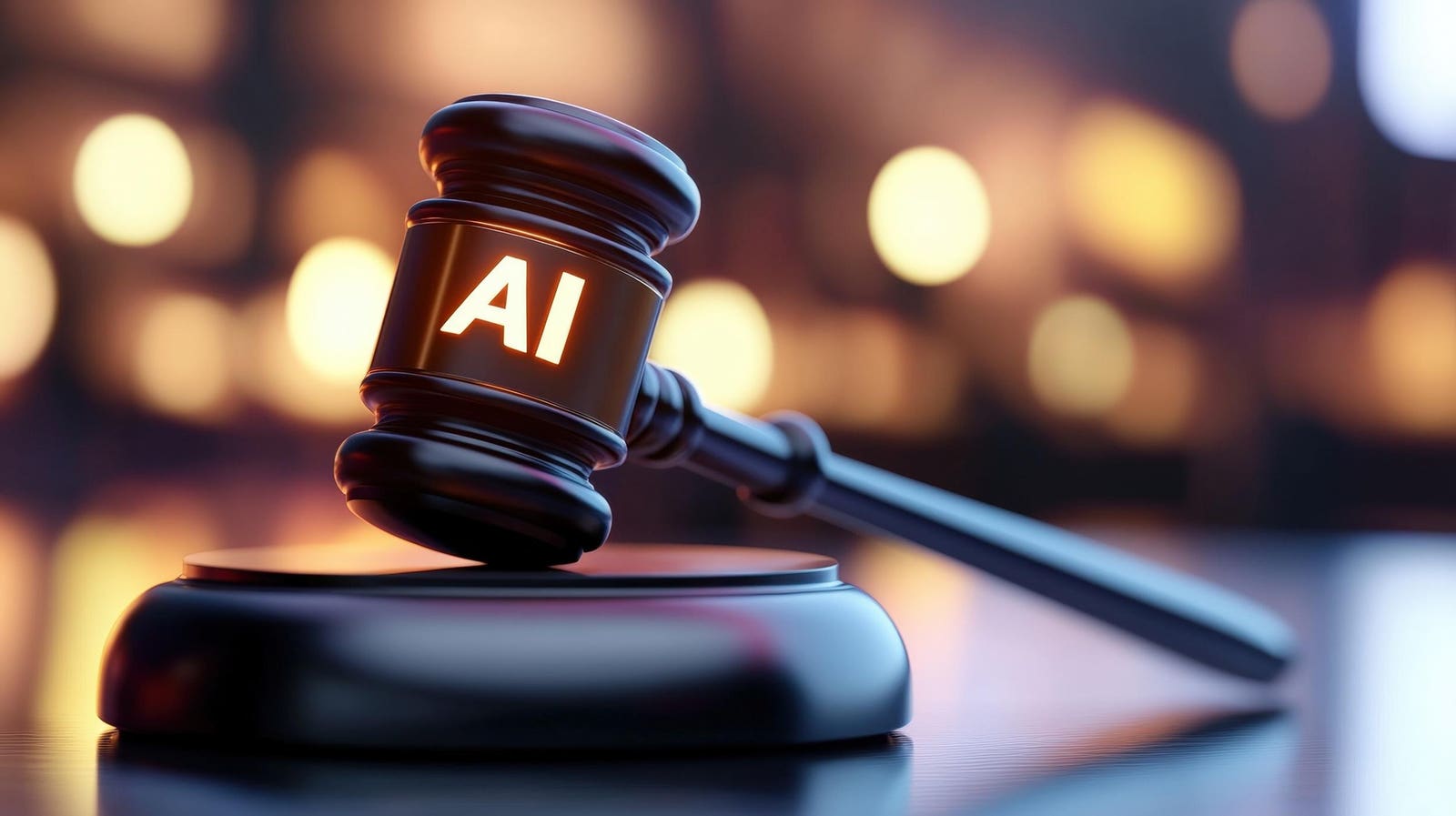
The rapid evolution of artificial intelligence (AI) is transforming industries and societies at an unprecedented pace. As we navigate this new landscape, it’s becoming increasingly clear that the biggest questions surrounding AI in 2026 will center on ethics, accountability, and trust. The AI revolution is not solely driven by technological advancements, but also by the ethical standards and legal frameworks adopted by governments, businesses, and individuals.
Establishing Ethical Standards
Society plays a crucial role in determining what is acceptable and what is not, while legislators are responsible for implementing and enforcing rules that enable innovation while mitigating potential harm. This is uncharted territory for most, and progress in setting and adhering to standards has been inconsistent. However, ethical behavior and robust safeguards are not optional; they are essential for the successful application of AI in solving the world’s most pressing problems.
The Importance of Accountability
As AI becomes more pervasive, questions surrounding accountability and responsibility are becoming more pressing. If AI is trained on copyrighted human-created content, should the creators be compensated? Many argue that they should, and proposed solutions include accessible opt-outs, transparent systems for giving or removing consent, and revenue-sharing models. Court cases are ongoing, with mixed results, and it’s hoped that 2026 will bring clarity to this issue, resulting in a fairer AI environment that doesn’t stifle innovation.
Agentic Guardrails in Law
AI agents, autonomous tools capable of performing complex tasks with minimal human interaction, raise important questions about the extent to which we are willing to let machines make decisions for us. How far should they go without human oversight, and who takes responsibility when things go wrong? Without clear boundaries and guardrails, there’s a risk that their actions may not always align with our best interests. In 2026, topics such as autonomy thresholds are likely to be on the agenda of legislators as they consider the level of human oversight required and the penalties that should apply when organizations allow machines to act irresponsibly.
The Impact on Jobs and Workers’ Rights
AI is already having a significant impact on human jobs, with recruitment in entry-level administrative and clerical positions falling by a reported 35%. Many argue that employers have an ethical responsibility to respond to this by implementing retraining and skilling initiatives. Governments and legislators will attempt to tackle the impact on workers’ rights and mandate that money saved through AI-driven workforce cuts be spent on mitigating the societal impacts of human job losses.
Global Standards and Regulation
AI operates across borders, but regulation designed to limit its harm is currently the responsibility of individual countries, leading to potential mismatches and lack of accountability. The EU, China, and India have introduced national AI laws, while the US is tackling it on a state-by-state basis. However, these regulations vary in scope and focus. Ensuring international consensus and a framework to enable effective global regulation of AI will be a pressing issue in 2026.
Synthetic Content, Deepfakes, and Misinformation
AI enables the creation of vast amounts of content, but not all of it is valuable or accurate, and some can be outright dangerous or harmful. It’s often used to spread misinformation, undermine trust in democratic institutions, or widen social divisions. Addressing this is a responsibility for all of us. As individuals, we must learn to think critically about the information we trust and share, while legislators will draft laws including mandatory labeling of AI-generated content and criminalizing deepfakes intended to cause harm.
Organizational Policies and Governance
In 2026, more organizations will prioritize implementing codes of conduct and best practice policies for AI use. HR departments will focus on educating employees about safe, ethical, and accountable AI use, while workers will be encouraged to understand the principles of responsible AI adoption. Those that fail to do so risk increasing their vulnerability to cyber attacks, breach of copyright claims, financial penalties, and potentially fatal loss of customer trust.
Solving AI’s Black Box Problem
AI algorithms are often so complex that it’s difficult to understand how they make decisions. This lack of transparency is sometimes compounded by the fact that their workings are deliberately kept opaque to protect commercial interests. Solving this problem is essential if AI is to be used for tasks that impact human lives, such as making healthcare or financial decisions. In 2026, there will be pressure on developers to adopt principles promoting explainable AI, and for organizations to implement methods of auditing the transparency of their AI-driven decision-making.
Embedding Ethics into AI Decision-Making
Ethical AI is no longer a side conversation; it’s the foundation for innovation and public trust. Organizations that thrive in 2026 will be those that embed ethics and governance into every AI decision, treating transparency, accountability, and fairness as core business priorities rather than compliance checkboxes. By doing so, we can ensure that AI is developed and used in ways that benefit society as a whole, while minimizing its risks and negative consequences.




Community Mentorship Programs Help Strengthen Local Workforce and Social Impact

Low-Code Platforms are Changing How Businesses Build Internal Technology

Microlearning in Employee Training: A Practical Approach to Workplace Skill Development

Decision-Making Frameworks Improve Strategic Leadership and Organizational Clarity

Career Ladder Programs Strengthen Workforce Development and Employee Retention

Workplace Recognition Programs Improve Organizational Culture and Employee Engagement

Why Mental Endurance is Essential for Workplace Resilience

What Informational Interviews are and Why they Matter

How Emotional Intelligence Can Help You Manage Stress and Build Resilience

Interview with Dr. Kristy K. Taylor, WORxK Global News Magazine Founder

Sarah Herrlinger Talks AirPods Pro Hearing Aid

NetWork Your Way to Success: Top Tips for Maximizing Your Professional Network

Unlocking Human Potential: Kim Groshek’s Journey to Transforming Leadership and Stress Resilience

The Power of Belonging: Why Feeling Accepted Matters in the Workplace

Health-care stocks fall after Warren PBM bill, Brian Thompson shooting

Glenda Benevides: Creating Global Impact Through Music
-
 Resiliency7 months ago
How Emotional Intelligence Can Help You Manage Stress and Build Resilience
-
 Career Advice1 year ago
Interview with Dr. Kristy K. Taylor, WORxK Global News Magazine Founder
-
 Diversity and Inclusion (DEIA)1 year ago
Sarah Herrlinger Talks AirPods Pro Hearing Aid
-
 Career Advice1 year ago
NetWork Your Way to Success: Top Tips for Maximizing Your Professional Network
-
 Changemaker Interviews1 year ago
Unlocking Human Potential: Kim Groshek’s Journey to Transforming Leadership and Stress Resilience
-
 Diversity and Inclusion (DEIA)1 year ago
The Power of Belonging: Why Feeling Accepted Matters in the Workplace
-
 Global Trends and Politics1 year ago
Health-care stocks fall after Warren PBM bill, Brian Thompson shooting
-
 Changemaker Interviews12 months ago
Glenda Benevides: Creating Global Impact Through Music