
Resiliency
How to Find Balance Between Work and Life (Without Burning Out)

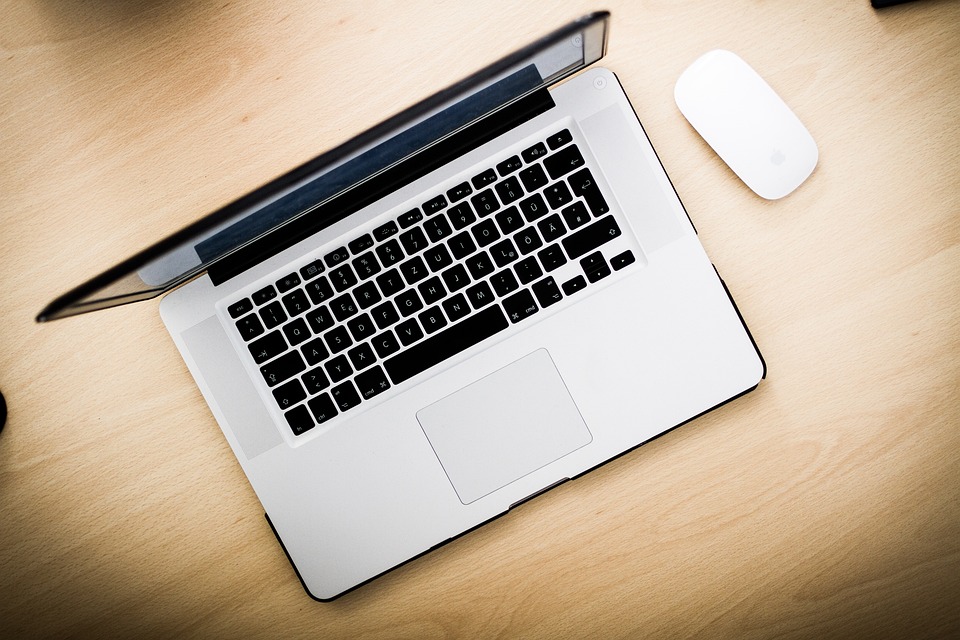
Many of us struggle to balance our jobs with personal responsibilities. When that balance is off, it can lead to stress, burnout, and feeling overwhelmed. Over time, this affects not just our work performance, but our health and happiness too.
Let’s talk about why work-life balance is important, what challenges can get in the way, and how you can take small steps to improve it.
Why Work-Life Balance Is So Important
Work-life balance means giving time and energy to both your job and your personal life. When this balance is healthy, you feel more in control, less stressed, and more satisfied at work and at home.
It’s not about being perfect. It’s about making space for what matters—both professionally and personally.
The Benefits of Work-Life Balance
1. Less Stress and Burnout
When you have time for yourself, you’re less likely to feel overwhelmed or emotionally drained. You recover better and stay mentally strong.
2. More Focus and Productivity
When you’re not stretched too thin, you’re able to concentrate better during work hours and get more done in less time.
3. Higher Job Satisfaction
Balancing work and life helps you enjoy your job more and stay motivated, without feeling resentful or exhausted.
Common Challenges That Get in the Way
1. Blurred Lines Between Work and Home
Thanks to phones and laptops, work follows us everywhere. It’s hard to “turn off” when emails and messages keep coming after hours.
2. Long Work Hours
Overtime or shift work can eat into family time and leave little room for rest or fun.
3. Lack of Support
When employers or loved ones don’t understand your need for balance, it becomes harder to set limits or ask for help.
5 Simple Tips to Improve Your Work-Life Balance
1. Set Boundaries
Decide when your workday starts and ends—and stick to it. Don’t check emails or take calls outside of those hours.
2. Make Time for You
Even 15–30 minutes a day of self-care—like walking, reading, or meditating—can make a big difference.
3. Say No When You Need To
Protect your time. You don’t have to say yes to everything, especially if it takes away from your personal priorities.
4. Talk to Your Manager
If your workload is too heavy or unclear, have a respectful conversation about your needs. You might be surprised how open they are to finding a solution.
5. Take Real Breaks
Step away from your screen during the day. A short break helps clear your mind and boosts your energy.
Final Thoughts
Work-life balance isn’t just a nice-to-have—it’s a must. Taking care of yourself helps you show up better in every area of life. You don’t need to overhaul everything overnight. Start with one small change, and build from there.
Remember: balance looks different for everyone. Find what works best for you and protect it like your peace depends on it—because it does.
FAQs
Q: How do I know if I need better work-life balance?
A: If you’re always tired, stressed, or feel like you never have time for yourself, it’s a sign that something needs to shift.
Q: I work from home—how can I create balance?
A: Try setting regular work hours, having a dedicated workspace, and taking short breaks throughout the day. Also, shut down your work devices after hours.
Q: How do I talk to my boss about this?
A: Be honest and respectful. Explain your concerns, share what you need, and suggest solutions that benefit both you and the team.


Portable Benefits Could Fix the Gig Economy’s Biggest Problem

Ethical Reasoning Has Become a Core Workplace Skill and Training Programs Are Missing It

Stakeholder Pressure on CEOs Has Reached a Breaking Point

Identity Resilience at Work and Why It Matters More Than Grit

The Revenge of Middle Management and Why Organizations Should Pay Attention

First-Generation Professionals Face a Different Workplace and Nobody Prepares Them for It

Small Business Survival in Underserved Communities Needs More Than Microloans

Aging Populations are Reshaping Labor Markets Faster Than Policy Can Respond

How Emotional Intelligence Can Help You Manage Stress and Build Resilience

Interview with Dr. Kristy K. Taylor, WORxK Global News Magazine Founder

Sarah Herrlinger Talks AirPods Pro Hearing Aid

Unlocking Human Potential: Kim Groshek’s Journey to Transforming Leadership and Stress Resilience

NetWork Your Way to Success: Top Tips for Maximizing Your Professional Network

The Power of Belonging: Why Feeling Accepted Matters in the Workplace

Health-care stocks fall after Warren PBM bill, Brian Thompson shooting

Glenda Benevides: Creating Global Impact Through Music
-
 Resiliency1 year ago
How Emotional Intelligence Can Help You Manage Stress and Build Resilience
-
 Career Advice2 years ago
Interview with Dr. Kristy K. Taylor, WORxK Global News Magazine Founder
-
 Diversity and Inclusion (DEIA)2 years ago
Sarah Herrlinger Talks AirPods Pro Hearing Aid
-
 Changemaker Interviews2 years ago
Unlocking Human Potential: Kim Groshek’s Journey to Transforming Leadership and Stress Resilience
-
 Career Advice2 years ago
NetWork Your Way to Success: Top Tips for Maximizing Your Professional Network
-
 Diversity and Inclusion (DEIA)2 years ago
The Power of Belonging: Why Feeling Accepted Matters in the Workplace
-
 Global Trends and Politics2 years ago
Health-care stocks fall after Warren PBM bill, Brian Thompson shooting
-
 Changemaker Interviews2 years ago
Glenda Benevides: Creating Global Impact Through Music