
Innovation and Technology
Ageism at Work

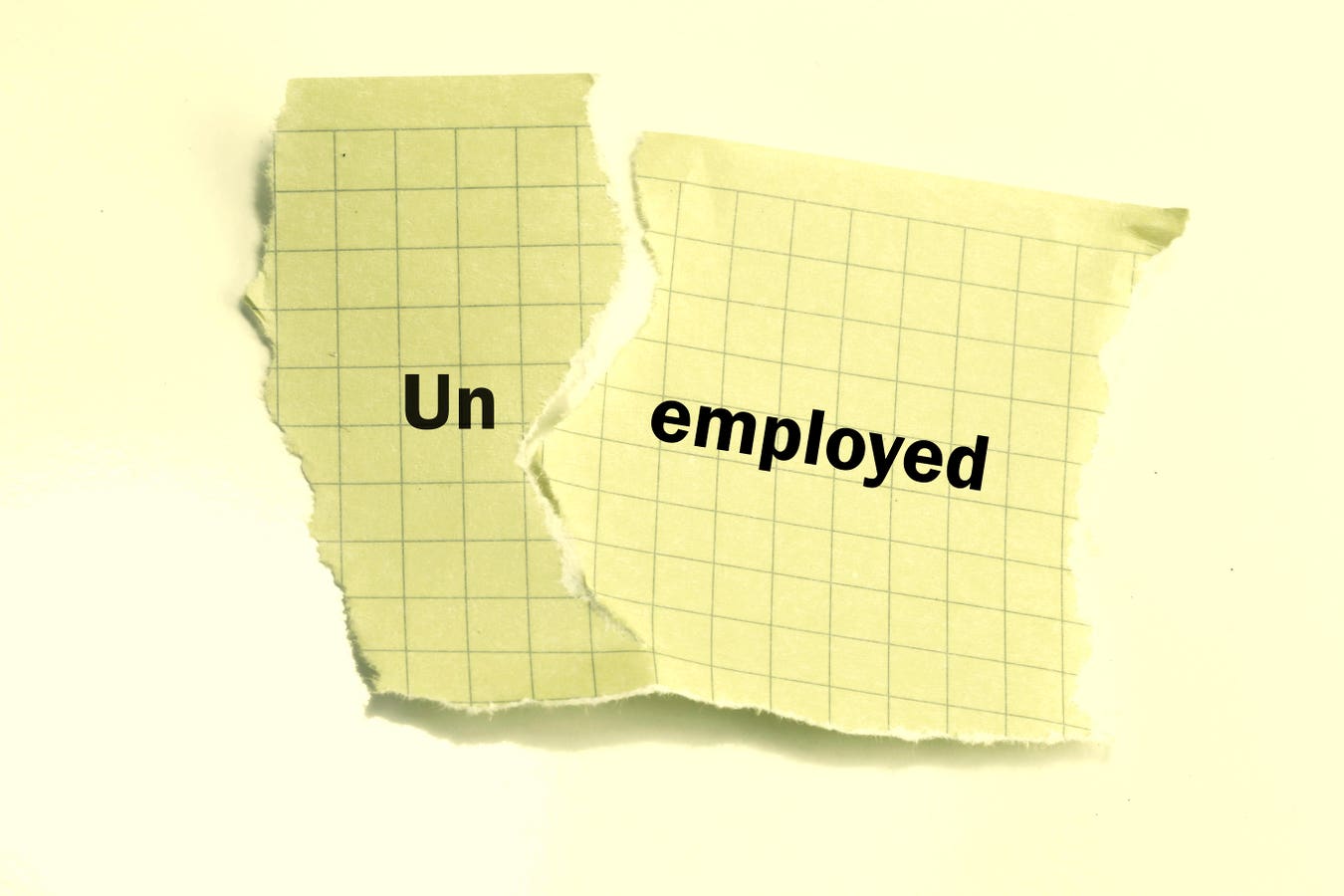
Ageism In The Workplace: Accelerating A Future Of Poverty?
The Growing Concern of Ageism
Ageism, or discrimination based on age, is a growing concern in the modern workplace. Despite the increasing awareness of other forms of discrimination, such as racism and sexism, ageism remains a prevalent issue that affects millions of workers worldwide. According to a study by the United Nations, ageism can lead to significant economic and social consequences, including reduced productivity, increased healthcare costs, and a decline in overall well-being.
The Impact of Ageism on Older Workers
Older workers are disproportionately affected by ageism, with many facing discrimination, stereotyping, and marginalization. This can lead to a range of negative consequences, including:
* Reduced job opportunities and lower salaries
* Limited career advancement and promotion opportunities
* Increased stress and anxiety
* Decreased job satisfaction and engagement
* Negative impact on mental and physical health
The Consequences of Ageism on the Economy
The economic consequences of ageism are far-reaching and can have a significant impact on the economy as a whole. As the global population ages, the loss of experienced workers can lead to:
* Reduced productivity and competitiveness
* Increased recruitment and training costs
* Decreased innovation and entrepreneurship
* Reduced economic growth and stability
The Need for Change
To address the issue of ageism in the workplace, there is a need for a cultural shift towards greater understanding, empathy, and inclusivity. This can be achieved through:
* Education and training programs to raise awareness of ageism and its consequences
* Implementation of age-neutral recruitment and hiring practices
* Promotion of age-friendly workplaces and policies
* Encouragement of intergenerational collaboration and mentorship
* Development of age-diverse leadership and management teams
Conclusion
Ageism in the workplace is a pressing issue that has significant economic and social consequences. To accelerate a future of poverty, it is essential to address the discrimination and stereotyping faced by older workers and promote greater inclusivity and diversity in the workplace. By taking steps to combat ageism, we can create a more equitable and prosperous future for all.
FAQs
Q: What is ageism?
A: Ageism is discrimination or stereotyping based on a person’s age, often targeting older workers.
Q: How common is ageism in the workplace?
A: Ageism is a widespread issue, with many workers experiencing discrimination or stereotyping based on their age.
Q: What are the consequences of ageism on older workers?
A: Ageism can lead to reduced job opportunities, lower salaries, increased stress and anxiety, and negative impact on mental and physical health.
Q: What can be done to address ageism in the workplace?
A: Education and training programs, age-neutral recruitment and hiring practices, promotion of age-friendly workplaces and policies, and encouragement of intergenerational collaboration and mentorship can all help to combat ageism.




Portable Benefits Could Fix the Gig Economy’s Biggest Problem

Ethical Reasoning Has Become a Core Workplace Skill and Training Programs Are Missing It

Stakeholder Pressure on CEOs Has Reached a Breaking Point

Identity Resilience at Work and Why It Matters More Than Grit

The Revenge of Middle Management and Why Organizations Should Pay Attention

First-Generation Professionals Face a Different Workplace and Nobody Prepares Them for It

Small Business Survival in Underserved Communities Needs More Than Microloans

Aging Populations are Reshaping Labor Markets Faster Than Policy Can Respond

How Emotional Intelligence Can Help You Manage Stress and Build Resilience

Interview with Dr. Kristy K. Taylor, WORxK Global News Magazine Founder

Sarah Herrlinger Talks AirPods Pro Hearing Aid

Unlocking Human Potential: Kim Groshek’s Journey to Transforming Leadership and Stress Resilience

NetWork Your Way to Success: Top Tips for Maximizing Your Professional Network

The Power of Belonging: Why Feeling Accepted Matters in the Workplace

Health-care stocks fall after Warren PBM bill, Brian Thompson shooting

Glenda Benevides: Creating Global Impact Through Music
-
 Resiliency1 year ago
How Emotional Intelligence Can Help You Manage Stress and Build Resilience
-
 Career Advice2 years ago
Interview with Dr. Kristy K. Taylor, WORxK Global News Magazine Founder
-
 Diversity and Inclusion (DEIA)2 years ago
Sarah Herrlinger Talks AirPods Pro Hearing Aid
-
 Changemaker Interviews2 years ago
Unlocking Human Potential: Kim Groshek’s Journey to Transforming Leadership and Stress Resilience
-
 Career Advice2 years ago
NetWork Your Way to Success: Top Tips for Maximizing Your Professional Network
-
 Diversity and Inclusion (DEIA)2 years ago
The Power of Belonging: Why Feeling Accepted Matters in the Workplace
-
 Global Trends and Politics2 years ago
Health-care stocks fall after Warren PBM bill, Brian Thompson shooting
-
 Changemaker Interviews2 years ago
Glenda Benevides: Creating Global Impact Through Music