
Diversity and Inclusion (DEIA)
Viral Clip Gets Right About Black Women And Repression

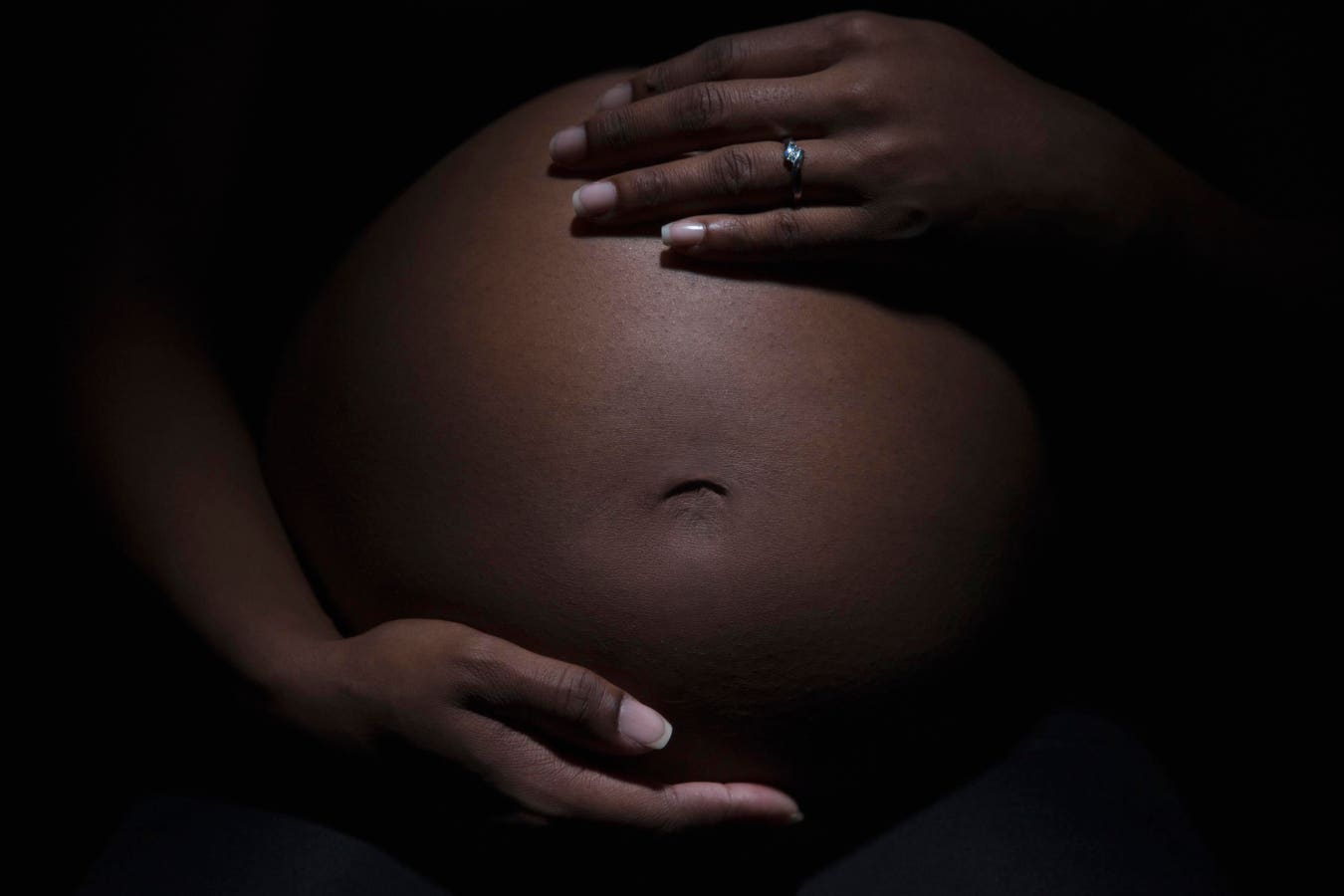
The History and Ongoing Reality of Reproductive Oppression of Black Women
The recent resurgence of a clip from Netflix’s #blackAF, featuring Rashida Jones’ character discussing the historical exploitation of Black women’s bodies for reproductive purposes, has sparked a heated debate. The monologue, which mentions that Black women were brought to America "to breed babies," has been criticized for its historical accuracy. However, historians acknowledge that enslaved Black women were indeed subjected to forced reproductive labor, a practice now recognized as reproductive oppression.
Enslavement and Reproductive Exploitation
During the period of slavery in the United States, enslaved Black women were forcibly impregnated and exploited for their reproductive labor. This was a critical component of the slave breeding industry, driven by the financial need for slave labor and the dehumanization of enslaved people. The regulation, exploitation, and monetization of individuals’ sexuality, labor, bodies, and procreative abilities to exercise control over individuals and communities, particularly those who are marginalized, is now referred to as reproductive oppression.
The Slave Breeding System
The sexual and reproductive exploitation of enslaved Black women was a direct result of their dehumanization and the denial of their fundamental rights as individuals. Enslavers encouraged and sometimes forced sexual relations between enslaved individuals to increase their holdings and ultimately, the profitability of enslaved people. Black women’s bodies were seen as a source of profit, and their reproductive capabilities were valued for the production of new enslaved people.
Ongoing Reproductive Oppression
Reproductive oppression did not stop after the emancipation of enslaved Black Americans. It has been the foundation of eugenics legislation that forcibly sterilized marginalized communities. Other examples of reproductive oppression include limiting access to contraception, discriminatory healthcare practices and bias, and mass incarceration, which currently impacts reproductive health and rights. Incarcerated women often face barriers to accessing reproductive healthcare and discrimination.
Recent Examples of Reproductive Oppression
A more recent example of reproductive oppression can be seen in the case of Adriana Smith, a 30-year-old nurse and mother who was declared brain-dead after suffering a medical emergency. At the time, Smith was nine weeks pregnant. Despite being declared brain dead, Emory University Hospital is keeping Smith’s organs functioning on life support until the fetus can be delivered due to Georgia’s law banning most abortions after fetal cardiac activity is detected or about six weeks into pregnancy. Smith is currently 22 weeks pregnant and has been on life support for more than 90 days. This has been a heart-wrenching and excruciating experience for Smith’s family, who simply wants the choice to act on Smith’s behalf in a way that they feel their loved one would have wanted.
Conclusion
The history and ongoing reality of reproductive oppression of Black women are complex and deeply rooted in the dehumanization and exploitation of enslaved people. As the current socio-political climate continues to change in the U.S., some fear the future of reproductive rights and the possibility of reproductive oppression being exercised in more overt and harmful ways, such as how Black women have been treated in the country for centuries.
FAQs
Q: What is reproductive oppression?
A: Reproductive oppression refers to the regulation, exploitation, and monetization of individuals’ sexuality, labor, bodies, and procreative abilities to exercise control over individuals and communities, particularly those who are marginalized.
Q: How were enslaved Black women exploited during the period of slavery in the United States?
A: Enslaved Black women were forcibly impregnated and exploited for their reproductive labor, which was a critical component of the slave breeding industry.
Q: Is reproductive oppression still a reality today?
A: Yes, reproductive oppression is still a reality today, with examples including limiting access to contraception, discriminatory healthcare practices and bias, and mass incarceration, which impacts reproductive health and rights.
Q: What is the current situation with Adriana Smith, and how does it relate to reproductive oppression?
A: Adriana Smith, a 30-year-old nurse and mother, was declared brain-dead after suffering a medical emergency while nine weeks pregnant. She is being kept on life support until the fetus can be delivered due to Georgia’s law banning most abortions after fetal cardiac activity is detected, highlighting the ongoing reality of reproductive oppression.




Portable Benefits Could Fix the Gig Economy’s Biggest Problem

Ethical Reasoning Has Become a Core Workplace Skill and Training Programs Are Missing It

Stakeholder Pressure on CEOs Has Reached a Breaking Point

Identity Resilience at Work and Why It Matters More Than Grit

The Revenge of Middle Management and Why Organizations Should Pay Attention

First-Generation Professionals Face a Different Workplace and Nobody Prepares Them for It

Small Business Survival in Underserved Communities Needs More Than Microloans

Aging Populations are Reshaping Labor Markets Faster Than Policy Can Respond

How Emotional Intelligence Can Help You Manage Stress and Build Resilience

Interview with Dr. Kristy K. Taylor, WORxK Global News Magazine Founder

Sarah Herrlinger Talks AirPods Pro Hearing Aid

Unlocking Human Potential: Kim Groshek’s Journey to Transforming Leadership and Stress Resilience

NetWork Your Way to Success: Top Tips for Maximizing Your Professional Network

The Power of Belonging: Why Feeling Accepted Matters in the Workplace

Health-care stocks fall after Warren PBM bill, Brian Thompson shooting

Glenda Benevides: Creating Global Impact Through Music
-
 Resiliency1 year ago
How Emotional Intelligence Can Help You Manage Stress and Build Resilience
-
 Career Advice2 years ago
Interview with Dr. Kristy K. Taylor, WORxK Global News Magazine Founder
-
 Diversity and Inclusion (DEIA)2 years ago
Sarah Herrlinger Talks AirPods Pro Hearing Aid
-
 Changemaker Interviews2 years ago
Unlocking Human Potential: Kim Groshek’s Journey to Transforming Leadership and Stress Resilience
-
 Career Advice2 years ago
NetWork Your Way to Success: Top Tips for Maximizing Your Professional Network
-
 Diversity and Inclusion (DEIA)2 years ago
The Power of Belonging: Why Feeling Accepted Matters in the Workplace
-
 Global Trends and Politics2 years ago
Health-care stocks fall after Warren PBM bill, Brian Thompson shooting
-
 Changemaker Interviews2 years ago
Glenda Benevides: Creating Global Impact Through Music