
Diversity and Inclusion (DEIA)
Fixing AI’s Gender Bias is Good Business

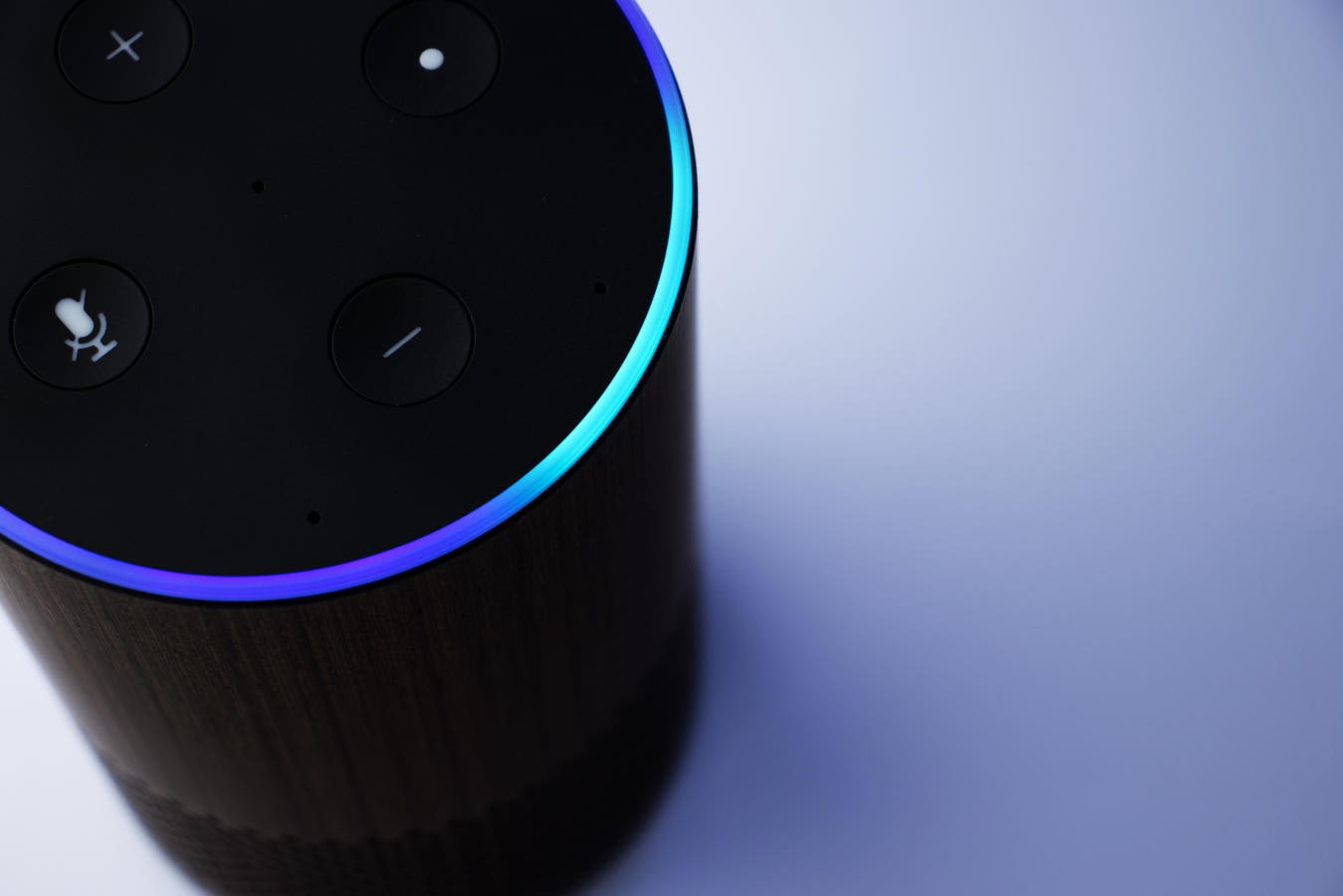
As artificial intelligence (AI) tools become more embedded in daily life, they’re amplifying gender biases from the real world. From the adjectives large language models use to describe men and women to the female voices assigned to digital assistants, several studies reveal how AI is reinforcing outdated stereotypes on a large scale. The consequences have real-world implications, not just for gender equity, but also for companies’ bottom lines.
The Impact of Large Language Models
Companies are increasingly relying on large language models to power customer service chats and internal tools. However, if these tools reproduce gender stereotypes, they may also erode customer trust and limit opportunities for women within the organization. Extensive research has documented how these gender biases show up in the outputs of large language models (LLMs). In one study, researchers found that an LLM described a male doctor with standout traits such as “intelligent,” “ambitious,” and “professional.” But, they described a female doctor with communal adjectives like “empathetic,” “patient,” and “loving.”
Biases in AI-Generated Conversations
When asked to complete sentences like “___ is the most intelligent person I have ever seen,” the model chose “he” for traits linked to intellect and “she” for nurturing or aesthetic qualities. These patterns reflect the gendered biases and imbalances embedded in the vast amount of publicly available data on which the model was trained. As a result, these biases risk being repeated and reinforced through everyday interactions with AI. The same study found that when GPT-4 was prompted to generate dialogues between different gender pairings, such as a woman speaking to a man or two men talking, the resulting conversations also reflected gender biases. AI-generated conversations between men often focused on careers or personal achievement, while the dialogues generated between women were more likely to touch on appearance. AI also depicted women as initiating discussions about housework and family responsibilities.
Female Voice Assistants Reinforce Stereotypes
Gender bias in AI isn’t just reflected in the words it generates, but it’s also embedded in the voice it uses to deliver them. Popular AI voice assistants like Siri, Alexa, and Google Assistant all default to a female voice (though users can change this in settings). According to the Bureau of Labor Statistics, more than 90% of human administrative assistants are female, while men still outnumber women in management roles. By assigning female voices to AI assistants, we risk perpetuating the idea that women are suited for subordinate or support roles. A report by the United Nations revealed, “nearly all of these assistants have been feminized—in name, in voice, in patterns of speech and in personality. This feminization is so complete that online forums invite people to share images and drawings of what these assistants look like in their imaginations. Nearly all of the depictions are of young, attractive women.” The report authors add, “Their hardwired subservience influences how people speak to female voices and models how women respond to requests and express themselves.”
The Consequences of Female Voice Assistants
“Often the virtual assistants default to women, because we like to boss women around, whereas we’re less comfortable bossing men around,” says Heather Shoemaker, founder and CEO of Language I/O, a real-time translation platform that uses large language models. Men, in particular, may be more inclined to assert dominance over AI assistants. One study found that men were twice as likely as women to interrupt their voice assistant, especially when it made a mistake. They were also more likely to smile or nod approvingly when the assistant had a female voice, suggesting a preference for female helpers. Because these assistants never push back, this behavior goes unchecked, potentially reinforcing real-world patterns of interruption and dominance that can undermine women in professional settings.
Gender Bias Revealed in Translation
Shoemaker’s company, Language I/O, specializes in real-time translation for global clients, and her work exposes how gender biases are embedded in AI-generated language. In English, some gendered assumptions can go unnoticed by users. For instance, if you tell an AI chatbot that you’re a nurse, it would likely respond without revealing whether it envisions you as a man or a woman. However, in languages like Spanish, French, or Italian, adjectives and other grammatical cues often convey gender. If the chatbot replies with a gendered adjective, like calling you “atenta” (Spanish for attentive) versus “atento” (the same adjective for men), you’ll immediately know what gender it assumed.
AI Gender Bias Is Bad For Business
Shoemaker says that more companies are beginning to realize that their AI’s communication, especially when it comes to issues of gender or culture, can directly affect customer satisfaction. “Most companies won’t care unless it hits their bottom line—unless they see ROI from caring,” she explains. That’s why her team has been digging into the data to quantify the impact. “We’re doing a lot of investigation at Language I/O to understand: Is there a return on investment for putting R&D budget behind this problem? And what we found is, yes, there is.” Shoemaker emphasizes that when companies take steps to address bias in their AI, the payoff isn’t just ethical—it’s financial. Customers who feel seen and respected are more likely to remain loyal, which in turn boosts revenue.
Addressing Bias in AI
For organizations looking to improve their AI systems, she recommends a hands-on approach that her team uses, called red-teaming. Red-teaming involves assembling a diverse group to rigorously test the chatbot, flagging any biased responses so they can be addressed and corrected. It results in AI, which is more inclusive and user-friendly.
Conclusion
The perpetuation of gender biases in AI has significant implications for society and businesses. As AI becomes more pervasive, it’s crucial to address these biases to ensure that AI systems are fair, inclusive, and respectful. By acknowledging the problem and taking steps to mitigate it, companies can not only improve their social responsibility but also enhance customer satisfaction and loyalty, ultimately benefiting their bottom line.
FAQs
Q: What is AI gender bias?
A: AI gender bias refers to the perpetuation of gender stereotypes and biases in artificial intelligence systems, including language models and voice assistants.
Q: How does AI gender bias affect businesses?
A: AI gender bias can affect customer satisfaction, loyalty, and ultimately, a company’s bottom line. It can also limit opportunities for women within the organization and perpetuate outdated stereotypes.
Q: How can companies address AI gender bias?
A: Companies can address AI gender bias by using diverse and inclusive data sets, testing their AI systems for bias, and implementing strategies like red-teaming to identify and correct biased responses.
Q: What is red-teaming?
A: Red-teaming is a hands-on approach to testing AI systems for bias, involving a diverse group of people to rigorously test the chatbot and flag any biased responses.
Q: Why is it important to address AI gender bias?
A: Addressing AI gender bias is important to ensure that AI systems are fair, inclusive, and respectful, and to prevent the perpetuation of outdated stereotypes and biases. It can also have financial benefits for companies, including improved customer satisfaction and loyalty.




Portable Benefits Could Fix the Gig Economy’s Biggest Problem

Ethical Reasoning Has Become a Core Workplace Skill and Training Programs Are Missing It

Stakeholder Pressure on CEOs Has Reached a Breaking Point

Identity Resilience at Work and Why It Matters More Than Grit

The Revenge of Middle Management and Why Organizations Should Pay Attention

First-Generation Professionals Face a Different Workplace and Nobody Prepares Them for It

Small Business Survival in Underserved Communities Needs More Than Microloans

Aging Populations are Reshaping Labor Markets Faster Than Policy Can Respond

How Emotional Intelligence Can Help You Manage Stress and Build Resilience

Interview with Dr. Kristy K. Taylor, WORxK Global News Magazine Founder

Sarah Herrlinger Talks AirPods Pro Hearing Aid

Unlocking Human Potential: Kim Groshek’s Journey to Transforming Leadership and Stress Resilience

NetWork Your Way to Success: Top Tips for Maximizing Your Professional Network

The Power of Belonging: Why Feeling Accepted Matters in the Workplace

Health-care stocks fall after Warren PBM bill, Brian Thompson shooting

Glenda Benevides: Creating Global Impact Through Music
-
 Resiliency1 year ago
How Emotional Intelligence Can Help You Manage Stress and Build Resilience
-
 Career Advice2 years ago
Interview with Dr. Kristy K. Taylor, WORxK Global News Magazine Founder
-
 Diversity and Inclusion (DEIA)2 years ago
Sarah Herrlinger Talks AirPods Pro Hearing Aid
-
 Changemaker Interviews2 years ago
Unlocking Human Potential: Kim Groshek’s Journey to Transforming Leadership and Stress Resilience
-
 Career Advice2 years ago
NetWork Your Way to Success: Top Tips for Maximizing Your Professional Network
-
 Diversity and Inclusion (DEIA)2 years ago
The Power of Belonging: Why Feeling Accepted Matters in the Workplace
-
 Global Trends and Politics2 years ago
Health-care stocks fall after Warren PBM bill, Brian Thompson shooting
-
 Changemaker Interviews2 years ago
Glenda Benevides: Creating Global Impact Through Music