
Organizational Culture
Change Fatigue Is Real—Here’s What Leaders Can Do

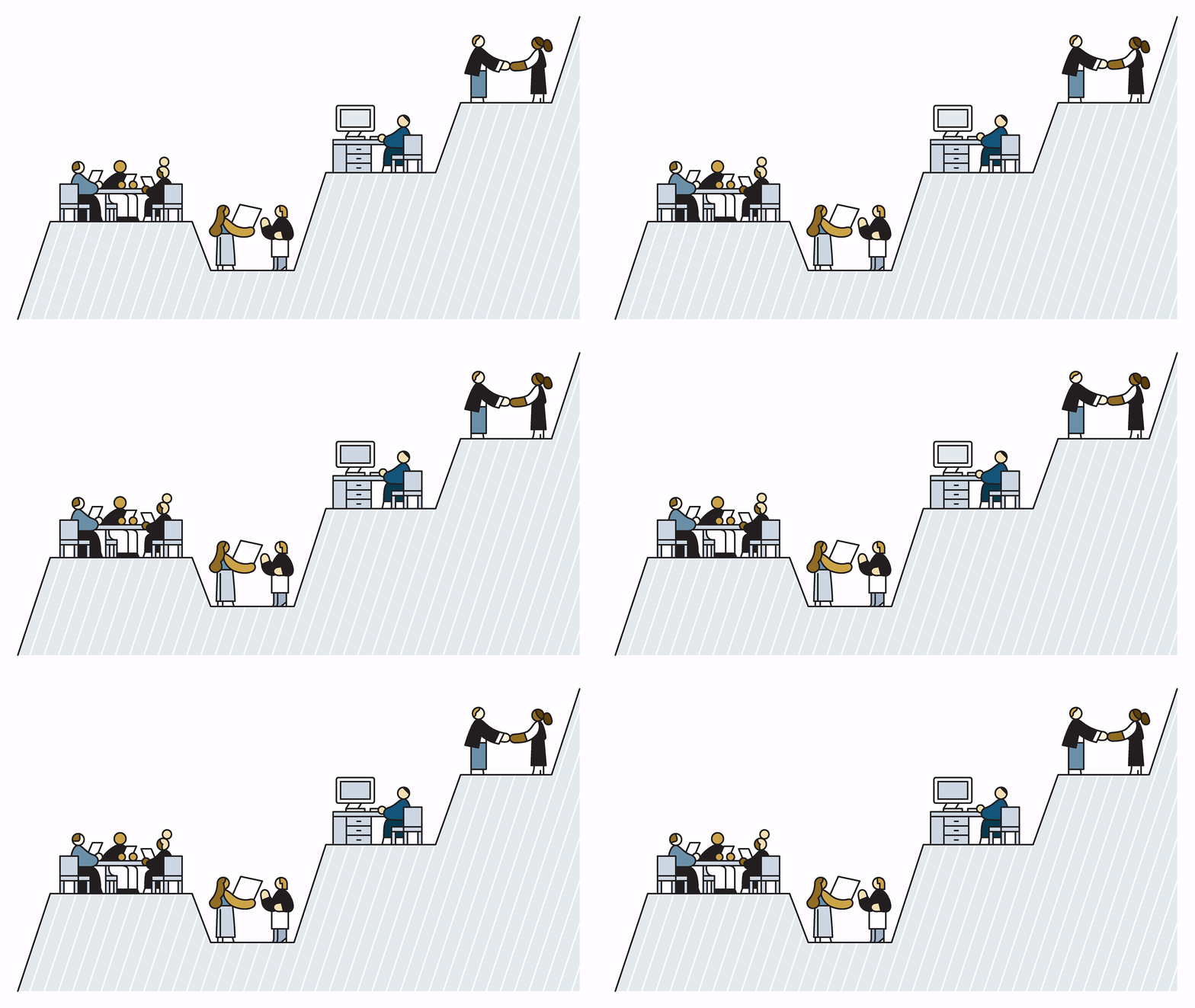
The amount and pace of organizational change today is staggering. Gartner research found that in 2022, the average employee experienced 10 change initiatives—up from two in 2016. And this comes against a backdrop of rapid technological development and geopolitical shifts. Change is no longer episodic; it is continuous—and people are tired.
Understanding Change Fatigue
Change fatigue refers to the physical, emotional, and mental exhaustion that people experience due to constant and rapid changes in their work environment. This can lead to decreased productivity, increased stress, and a higher turnover rate. The continuous nature of change in today’s organizations has made it essential for leaders to develop strategies to overcome change fatigue and position their people for agility.
Causes of Change Fatigue
Several factors contribute to change fatigue, including the lack of clear communication, inadequate training, and insufficient support during the transition period. When employees are not prepared or equipped to handle the changes, they become disengaged and resistant to future changes. Furthermore, the constant need to adapt to new processes, technologies, and policies can be overwhelming, leading to feelings of burnout and frustration.
Strategies for Overcoming Change Fatigue
To overcome change fatigue, organizations need to adopt a proactive approach to managing change. This includes providing transparent and timely communication, offering training and development opportunities, and fostering a culture of agility and adaptability. Leaders must also prioritize employee well-being and recognize the efforts and contributions of their team members during times of change.
Positioning People for Agility
Positioning people for agility requires a focus on building a flexible and resilient workforce. This can be achieved by encouraging a growth mindset, providing opportunities for continuous learning and development, and empowering employees to take ownership of their work. By doing so, organizations can create a culture that is adaptable, innovative, and better equipped to handle the constant changes in the business landscape.
Implementing Change Effectively
Implementing change effectively requires a structured approach that takes into account the needs and concerns of all stakeholders. This includes assessing the impact of change, developing a clear plan, and monitoring progress. Leaders must also be agile and responsive to the needs of their employees, making adjustments as necessary to ensure a smooth transition.
Conclusion
In conclusion, overcoming change fatigue and positioning people for agility is crucial for organizations to remain competitive in today’s fast-paced business environment. By understanding the causes of change fatigue, adopting strategies to manage change, and prioritizing employee well-being, leaders can create a culture that is resilient, adaptable, and better equipped to handle continuous change.
FAQs
What is change fatigue?
Change fatigue refers to the physical, emotional, and mental exhaustion that people experience due to constant and rapid changes in their work environment.
How can organizations overcome change fatigue?
Organizations can overcome change fatigue by providing transparent and timely communication, offering training and development opportunities, and fostering a culture of agility and adaptability.
Why is it important to position people for agility?
Positioning people for agility is important because it enables organizations to create a flexible and resilient workforce that is better equipped to handle the constant changes in the business landscape.
What role do leaders play in managing change?
Leaders play a critical role in managing change by prioritizing employee well-being, recognizing the efforts and contributions of their team members, and making adjustments as necessary to ensure a smooth transition.




Portable Benefits Could Fix the Gig Economy’s Biggest Problem

Ethical Reasoning Has Become a Core Workplace Skill and Training Programs Are Missing It

Stakeholder Pressure on CEOs Has Reached a Breaking Point

Identity Resilience at Work and Why It Matters More Than Grit

The Revenge of Middle Management and Why Organizations Should Pay Attention

First-Generation Professionals Face a Different Workplace and Nobody Prepares Them for It

Small Business Survival in Underserved Communities Needs More Than Microloans

Aging Populations are Reshaping Labor Markets Faster Than Policy Can Respond

How Emotional Intelligence Can Help You Manage Stress and Build Resilience

Interview with Dr. Kristy K. Taylor, WORxK Global News Magazine Founder

Sarah Herrlinger Talks AirPods Pro Hearing Aid

Unlocking Human Potential: Kim Groshek’s Journey to Transforming Leadership and Stress Resilience

NetWork Your Way to Success: Top Tips for Maximizing Your Professional Network

The Power of Belonging: Why Feeling Accepted Matters in the Workplace

Health-care stocks fall after Warren PBM bill, Brian Thompson shooting

Glenda Benevides: Creating Global Impact Through Music
-
 Resiliency1 year ago
How Emotional Intelligence Can Help You Manage Stress and Build Resilience
-
 Career Advice2 years ago
Interview with Dr. Kristy K. Taylor, WORxK Global News Magazine Founder
-
 Diversity and Inclusion (DEIA)2 years ago
Sarah Herrlinger Talks AirPods Pro Hearing Aid
-
 Changemaker Interviews2 years ago
Unlocking Human Potential: Kim Groshek’s Journey to Transforming Leadership and Stress Resilience
-
 Career Advice2 years ago
NetWork Your Way to Success: Top Tips for Maximizing Your Professional Network
-
 Diversity and Inclusion (DEIA)2 years ago
The Power of Belonging: Why Feeling Accepted Matters in the Workplace
-
 Global Trends and Politics2 years ago
Health-care stocks fall after Warren PBM bill, Brian Thompson shooting
-
 Changemaker Interviews2 years ago
Glenda Benevides: Creating Global Impact Through Music