
Diversity and Inclusion (DEIA)
How Rapidly Growing Beauty Brands Are Supporting the LGBTQ+ Community

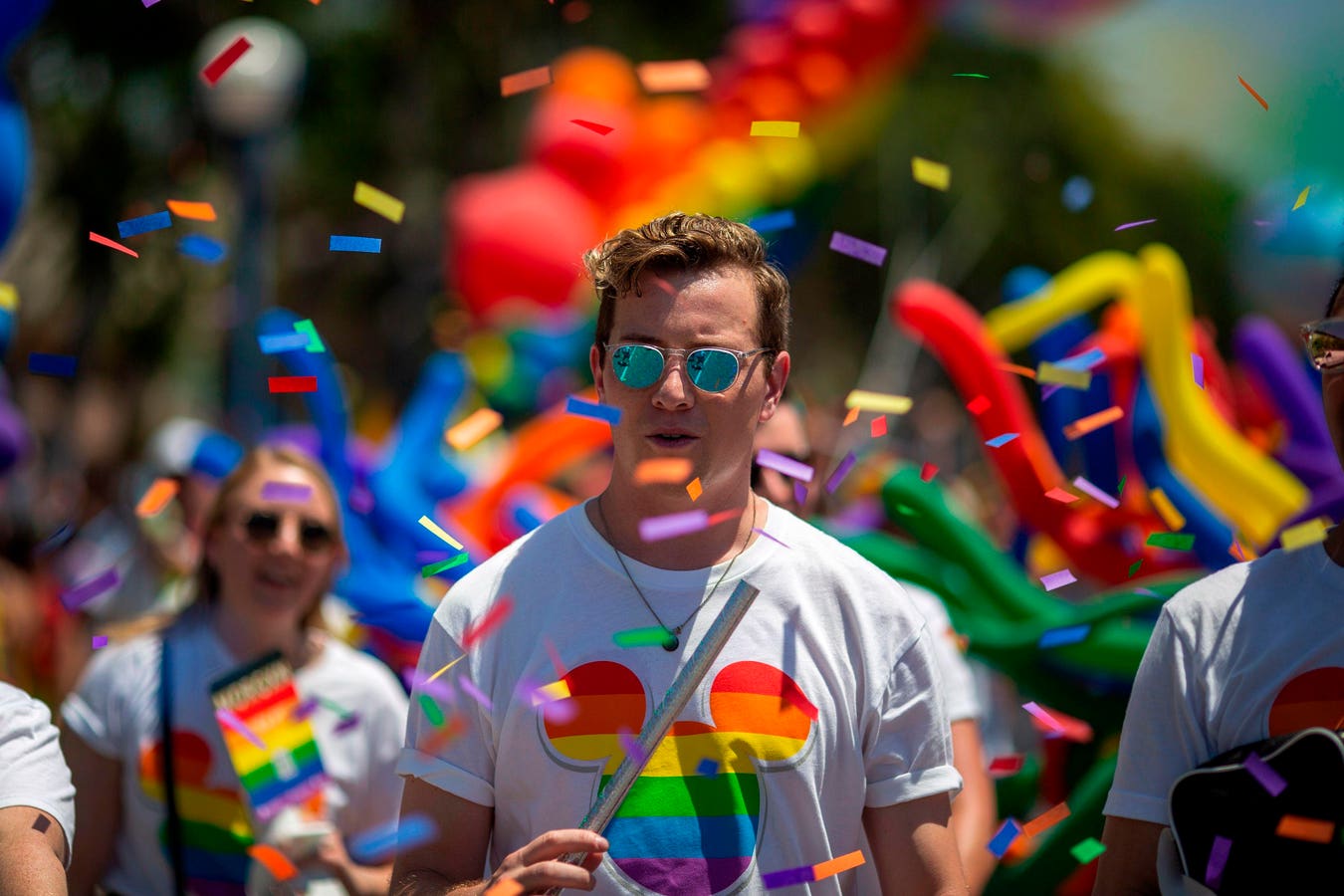
People from the Walt Disney Company participate in the annual LA Pride Parade in West Hollywood, California, on June 9, 2019. – LA Pride began on June 28, 1970, exactly one year after the historic Stonewall Rebellion in New York City, 50 years ago. Some beauty brands are growing faster than their peers. There’s data to help us understand why. One analysis showed that brands that lean into inclusion grew more than twice as fast from 2023 to 2024 than less inclusive brands within the industry.
The Importance of Inclusive Marketing
It’s just one additional proof source that highlights that inclusive marketing drives business results. Even with all the data highlighting how beneficial it is to build an inclusive brand, there are still plenty of brands who are retreating on the progress they’ve made. This year’s Pride month has shown that even more clearly. Fewer brands have engaged in celebrations, campaigns, and support for the LGBTQ+ community. The current political climate and fear of public backlash has made more brands cautious about proclaiming their public support of this marginalized community.
Brands That Support the LGBTQ+ Community
With so much news about how many brands have turned their backs on the LGBTQ+ community, it is easy to overlook there are still plenty of brands who are unwavering in their support. Within the beauty industry specifically, that support is not surprisingly coming from the brands that are growing more rapidly than their peers. The SeeMe Index is a AI-based company that measures, benchmarks, and celebrates inclusion for brands across different industries. For the second year in a row, SeeMe Index did an assessment of beauty brands, and named fourteen brands out of 100 as “certified inclusive,” the highest ranking possible in their analysis.
Certified Inclusive Beauty Brands
Brands that achieved certified inclusive status excelled in infusing inclusion throughout their ads, their brand purpose, and in their actual product. Certified inclusive brands grew 5% year on year from 2023 to 2024, while less inclusive brands analyzed grew at just 2% over the same time period. Of the fourteen certified inclusive beauty brands for 2025, several of them have programming in place designed to help them support the LGBTQ+ community all year round, rather than just showing up during Pride Month.
How Growing Beauty Brands Support the LGBTQ+ Community
Amika Hair invests in increasing equity in salons and salon chairs by investing in the next generation of hairstylists. The brand does this with its “Friend to Hair” scholarship for BIPOC and LGBTQ+ hair stylists for a cosmetology school program. The brand also helped curate a list of queer safe salons for people to go to. Makeup brand MAC says that it has been a proud supporter of the LGBTQ+ community since 1984. Since 1994, with its Viva Glam Fund (which gives 100% of proceeds from Viva Glam lipstick), the brand has raised more than $535 million that has been used to partner and support many LGBTQ+ organizations 365 days a year. Rare Beauty prioritizes mental health as part of its overall mission. In doing so, the brand formed the Rare Impact Fund, which is committed to mental health equity. The Rare Impact Fund in particular prioritizes organizations serving BIPOC, LGBTQ+, and underserved youth, including The Trevor Project.
Building an Inclusive Brand
Building an inclusive brand goes beyond just making your photography representative of different communities. It requires real commitment to including, representing, and supporting the communities you want to serve throughout all areas of your organization. Building an inclusive brand goes beyond campaigns, with a focus on real impact. Inclusive brands stay true to the mission as best they can, despite political and societal pressure. If you want to your brand to achieve outsized growth over and over again, focus your energy on planting roots and establishing a real commitment to the causes and the communities you want to serve. Then pull through that commitment and focus throughout your marketing mix, so the people you want to serve feel seen, supported, and like they belong with you.
Conclusion
In conclusion, inclusive marketing is a key driver of business results, and brands that lean into inclusion are growing faster than their peers. By supporting marginalized communities, such as the LGBTQ+ community, brands can build a loyal customer base and achieve outsized growth. It is essential for brands to stay true to their mission and commitment to inclusion, despite political and societal pressure.
FAQs
Q: What is inclusive marketing?
A: Inclusive marketing refers to the practice of including and representing diverse communities in marketing campaigns and brand purpose.
Q: Why is inclusive marketing important?
A: Inclusive marketing is important because it drives business results and helps brands build a loyal customer base.
Q: How can brands support the LGBTQ+ community?
A: Brands can support the LGBTQ+ community by investing in programming and initiatives that promote equity and inclusion, such as scholarships, partnerships with LGBTQ+ organizations, and mental health initiatives.
Q: What is the SeeMe Index?
A: The SeeMe Index is an AI-based company that measures, benchmarks, and celebrates inclusion for brands across different industries.




Portable Benefits Could Fix the Gig Economy’s Biggest Problem

Ethical Reasoning Has Become a Core Workplace Skill and Training Programs Are Missing It

Stakeholder Pressure on CEOs Has Reached a Breaking Point

Identity Resilience at Work and Why It Matters More Than Grit

The Revenge of Middle Management and Why Organizations Should Pay Attention

First-Generation Professionals Face a Different Workplace and Nobody Prepares Them for It

Small Business Survival in Underserved Communities Needs More Than Microloans

Aging Populations are Reshaping Labor Markets Faster Than Policy Can Respond

How Emotional Intelligence Can Help You Manage Stress and Build Resilience

Interview with Dr. Kristy K. Taylor, WORxK Global News Magazine Founder

Sarah Herrlinger Talks AirPods Pro Hearing Aid

Unlocking Human Potential: Kim Groshek’s Journey to Transforming Leadership and Stress Resilience

NetWork Your Way to Success: Top Tips for Maximizing Your Professional Network

The Power of Belonging: Why Feeling Accepted Matters in the Workplace

Health-care stocks fall after Warren PBM bill, Brian Thompson shooting

Glenda Benevides: Creating Global Impact Through Music
-
 Resiliency1 year ago
How Emotional Intelligence Can Help You Manage Stress and Build Resilience
-
 Career Advice2 years ago
Interview with Dr. Kristy K. Taylor, WORxK Global News Magazine Founder
-
 Diversity and Inclusion (DEIA)2 years ago
Sarah Herrlinger Talks AirPods Pro Hearing Aid
-
 Changemaker Interviews2 years ago
Unlocking Human Potential: Kim Groshek’s Journey to Transforming Leadership and Stress Resilience
-
 Career Advice2 years ago
NetWork Your Way to Success: Top Tips for Maximizing Your Professional Network
-
 Diversity and Inclusion (DEIA)2 years ago
The Power of Belonging: Why Feeling Accepted Matters in the Workplace
-
 Global Trends and Politics2 years ago
Health-care stocks fall after Warren PBM bill, Brian Thompson shooting
-
 Changemaker Interviews2 years ago
Glenda Benevides: Creating Global Impact Through Music