
Organizational Culture
New Research on How to Get Workplace Rituals Right

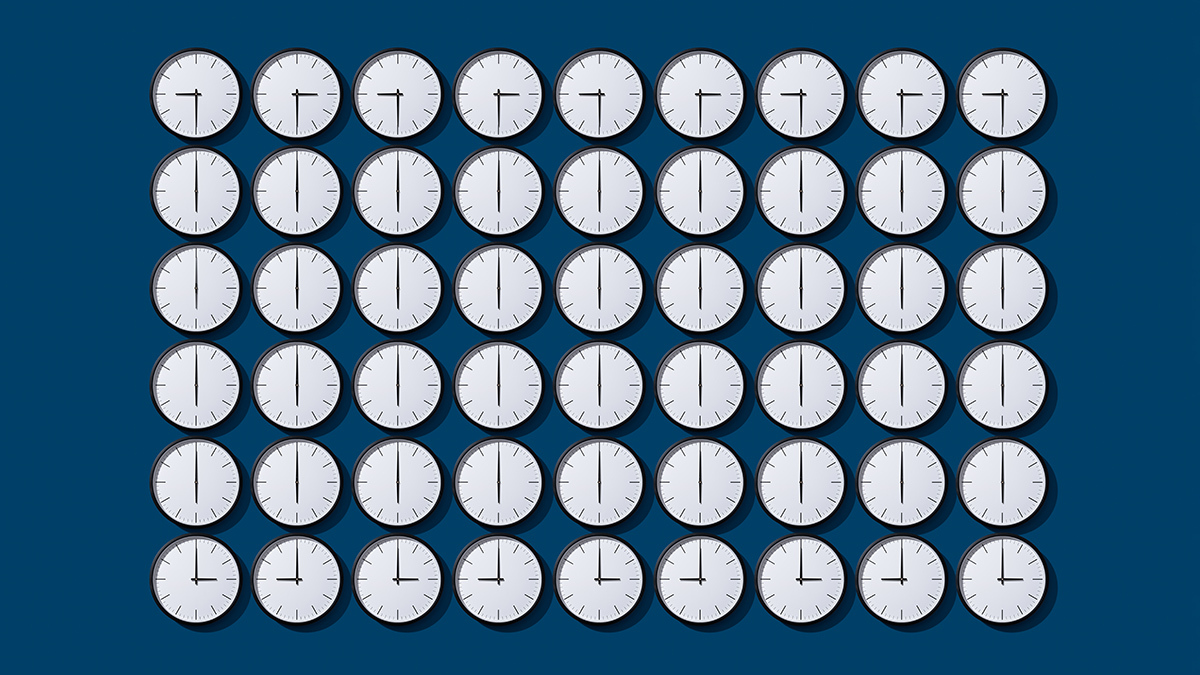
Introduction to Organizational Rituals
Everywhere you look in today’s workplaces, you’ll find organizational rituals. From a quick daily morning team cheer to an elaborately planned annual celebration, companies invest significant time, effort, and money into establishing and maintaining shared customs in order to strengthen social bonds and drive employee engagement and performance. The effectiveness of organizational rituals is backed by research findings and is advocated by thought leaders, creating the impression that the effects of rituals on employees and teams are straightforward and uniformly positive.
The Role of Rituals in the Workplace
Building Social Bonds
Organizational rituals play a crucial role in building and maintaining social bonds among employees. These rituals can range from simple daily or weekly meetings to more complex annual events. By participating in these shared activities, employees can develop a sense of community and belonging, which is essential for a positive and productive work environment.
Driving Employee Engagement and Performance
Research has shown that organizational rituals can have a significant impact on employee engagement and performance. By fostering a sense of community and shared purpose, rituals can motivate employees to work towards common goals and strive for excellence. Additionally, rituals can provide a much-needed break from the daily routine, allowing employees to recharge and refocus.
The Complexity of Organizational Rituals
Variability in Employee Response
While organizational rituals are often touted as a universal solution for improving employee engagement and performance, the reality is more complex. Employees may respond to rituals in different ways, depending on their individual personalities, cultural backgrounds, and personal experiences. What may be a positive and uplifting experience for one employee may be a source of stress or discomfort for another.
Contextual Factors
The effectiveness of organizational rituals also depends on various contextual factors, such as the company culture, management style, and industry. For example, a ritual that is well-suited for a small startup may not be effective in a large corporation. Similarly, a ritual that is successful in one cultural context may not be appropriate in another.
Challenges and Limitations
Overemphasis on Rituals
While organizational rituals can be a valuable tool for improving employee engagement and performance, there is a risk of overemphasizing their importance. Companies may invest too much time and resources into planning and executing rituals, at the expense of other important aspects of the business.
Potential Negative Consequences
In some cases, organizational rituals can have negative consequences, such as creating unnecessary stress or pressure on employees. For example, a mandatory team-building activity may be perceived as an invasion of personal time or space. Similarly, a ritual that is too elaborate or expensive may create feelings of guilt or resentment among employees.
Conclusion
In conclusion, organizational rituals can be a powerful tool for improving employee engagement and performance, but their effectiveness depends on various factors, including the company culture, management style, and individual employee responses. While rituals can foster a sense of community and shared purpose, they can also be a source of stress or discomfort if not implemented thoughtfully. By understanding the complexity of organizational rituals and approaching their implementation with sensitivity and nuance, companies can create a positive and productive work environment that supports the well-being and success of all employees.
FAQs
What are organizational rituals?
Organizational rituals are shared customs and practices that are established and maintained by companies to strengthen social bonds and drive employee engagement and performance.
Why are organizational rituals important?
Organizational rituals are important because they can foster a sense of community and shared purpose, motivate employees to work towards common goals, and provide a much-needed break from the daily routine.
How can companies ensure the effectiveness of organizational rituals?
Companies can ensure the effectiveness of organizational rituals by understanding the complexity of employee responses, considering contextual factors, and approaching implementation with sensitivity and nuance.
What are the potential negative consequences of organizational rituals?
The potential negative consequences of organizational rituals include creating unnecessary stress or pressure on employees, invading personal time or space, and creating feelings of guilt or resentment.
How can companies avoid the potential negative consequences of organizational rituals?
Companies can avoid the potential negative consequences of organizational rituals by being mindful of individual employee responses, avoiding overemphasis on rituals, and ensuring that rituals are inclusive and respectful of all employees.




Portable Benefits Could Fix the Gig Economy’s Biggest Problem

Ethical Reasoning Has Become a Core Workplace Skill and Training Programs Are Missing It

Stakeholder Pressure on CEOs Has Reached a Breaking Point

Identity Resilience at Work and Why It Matters More Than Grit

The Revenge of Middle Management and Why Organizations Should Pay Attention

First-Generation Professionals Face a Different Workplace and Nobody Prepares Them for It

Small Business Survival in Underserved Communities Needs More Than Microloans

Aging Populations are Reshaping Labor Markets Faster Than Policy Can Respond

How Emotional Intelligence Can Help You Manage Stress and Build Resilience

Interview with Dr. Kristy K. Taylor, WORxK Global News Magazine Founder

Sarah Herrlinger Talks AirPods Pro Hearing Aid

Unlocking Human Potential: Kim Groshek’s Journey to Transforming Leadership and Stress Resilience

NetWork Your Way to Success: Top Tips for Maximizing Your Professional Network

The Power of Belonging: Why Feeling Accepted Matters in the Workplace

Health-care stocks fall after Warren PBM bill, Brian Thompson shooting

Glenda Benevides: Creating Global Impact Through Music
-
 Resiliency1 year ago
How Emotional Intelligence Can Help You Manage Stress and Build Resilience
-
 Career Advice2 years ago
Interview with Dr. Kristy K. Taylor, WORxK Global News Magazine Founder
-
 Diversity and Inclusion (DEIA)2 years ago
Sarah Herrlinger Talks AirPods Pro Hearing Aid
-
 Changemaker Interviews2 years ago
Unlocking Human Potential: Kim Groshek’s Journey to Transforming Leadership and Stress Resilience
-
 Career Advice2 years ago
NetWork Your Way to Success: Top Tips for Maximizing Your Professional Network
-
 Diversity and Inclusion (DEIA)2 years ago
The Power of Belonging: Why Feeling Accepted Matters in the Workplace
-
 Global Trends and Politics2 years ago
Health-care stocks fall after Warren PBM bill, Brian Thompson shooting
-
 Changemaker Interviews2 years ago
Glenda Benevides: Creating Global Impact Through Music