
Strategic Leadership
Creating a Legacy: The Lasting Impact of Transformational Leadership on Organizations

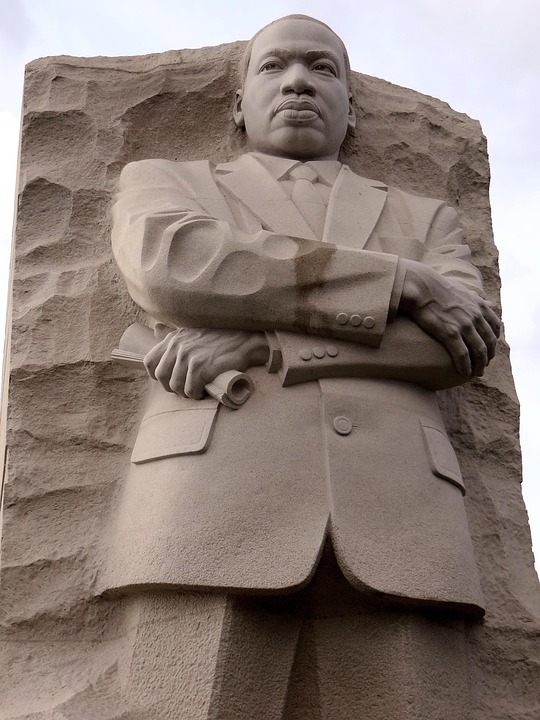
When we think of leadership, we often focus on the here and now – the day-to-day decisions, the short-term goals, and the immediate results. But truly great leaders have a different perspective. They’re not just thinking about the present; they’re thinking about the legacy they want to leave behind. Transformational leaders, in particular, have a profound impact on their organizations, shaping the culture, values, and vision in ways that can be felt long after they’re gone.
The Power of Transformational Leadership
So, what sets transformational leaders apart? For starters, they have a unique ability to inspire and motivate others. They’re not just bosses; they’re mentors, coaches, and role models who empower their teams to strive for excellence. They’re also visionaries, with a clear sense of purpose and direction that they communicate effectively to everyone around them. But perhaps most importantly, they’re not afraid to challenge the status quo and take risks – to shake things up and try new approaches, even if it means facing uncertainty and criticism.
This kind of leadership is contagious. When a transformational leader is at the helm, it can create a ripple effect throughout the organization, inspiring others to think differently, work collaboratively, and strive for innovation. It’s not just about achieving short-term success; it’s about building a sustainable, long-term culture that will outlast any one individual. And that’s where the concept of legacy comes in – the idea that a leader’s impact can be felt for years, even decades, after they’ve moved on.
Building a Lasting Legacy
So, how do transformational leaders create a lasting legacy? It starts with a deep understanding of the organization’s purpose and values. They don’t just focus on the bottom line or the latest trends; they’re driven by a sense of mission and a desire to make a meaningful difference. They’re also deeply invested in the people around them, recognizing that their team members are the key to unlocking the organization’s full potential. By developing and empowering their people, they create a pipeline of future leaders who will carry on their vision and values.
Another key aspect of building a legacy is creating a culture of innovation and experimentation. Transformational leaders encourage their teams to take risks, try new approaches, and learn from their mistakes. They foster a sense of psychological safety, where people feel comfortable sharing their ideas and opinions without fear of judgment or retribution. And they’re not afraid to invest in the latest technologies, tools, and training to stay ahead of the curve and drive continuous improvement.
The Impact on Organizations
The impact of transformational leadership on organizations can be profound. It can lead to increased employee engagement, improved collaboration, and a more positive, productive work culture. It can drive innovation and growth, as teams are empowered to think creatively and pursue new opportunities. And it can even lead to greater social responsibility, as organizations prioritize making a positive impact on their communities and the environment.
But perhaps most importantly, transformational leadership can create a sense of continuity and stability, even in times of change and uncertainty. When a leader has built a strong legacy, it can provide a sense of anchor and direction, helping the organization navigate challenging times and stay true to its core values and mission. It’s a reminder that leadership is not just about individual achievement; it’s about building something that will outlast us, something that will continue to inspire and motivate others long after we’re gone.
A Lasting Influence
In the end, the legacy of a transformational leader is not just about what they achieve during their tenure; it’s about the lasting influence they have on the organization and its people. It’s about the values they instill, the culture they create, and the leaders they develop. It’s about the positive impact they have on their communities and the world at large. And it’s a reminder that, as leaders, we all have the power to shape the future and leave a lasting mark on the organizations and people we touch.
So, what kind of legacy do you want to leave behind? As a leader, you have the power to inspire, motivate, and empower others. You have the power to build a culture of innovation, collaboration, and continuous improvement. And you have the power to create a lasting impact that will be felt for years to come. The question is, what will you do with that power?


Portable Benefits Could Fix the Gig Economy’s Biggest Problem

Ethical Reasoning Has Become a Core Workplace Skill and Training Programs Are Missing It

Stakeholder Pressure on CEOs Has Reached a Breaking Point

Identity Resilience at Work and Why It Matters More Than Grit

The Revenge of Middle Management and Why Organizations Should Pay Attention

First-Generation Professionals Face a Different Workplace and Nobody Prepares Them for It

Small Business Survival in Underserved Communities Needs More Than Microloans

Aging Populations are Reshaping Labor Markets Faster Than Policy Can Respond

How Emotional Intelligence Can Help You Manage Stress and Build Resilience

Interview with Dr. Kristy K. Taylor, WORxK Global News Magazine Founder

Sarah Herrlinger Talks AirPods Pro Hearing Aid

Unlocking Human Potential: Kim Groshek’s Journey to Transforming Leadership and Stress Resilience

NetWork Your Way to Success: Top Tips for Maximizing Your Professional Network

The Power of Belonging: Why Feeling Accepted Matters in the Workplace

Health-care stocks fall after Warren PBM bill, Brian Thompson shooting

Glenda Benevides: Creating Global Impact Through Music
-
 Resiliency1 year ago
How Emotional Intelligence Can Help You Manage Stress and Build Resilience
-
 Career Advice2 years ago
Interview with Dr. Kristy K. Taylor, WORxK Global News Magazine Founder
-
 Diversity and Inclusion (DEIA)2 years ago
Sarah Herrlinger Talks AirPods Pro Hearing Aid
-
 Changemaker Interviews2 years ago
Unlocking Human Potential: Kim Groshek’s Journey to Transforming Leadership and Stress Resilience
-
 Career Advice2 years ago
NetWork Your Way to Success: Top Tips for Maximizing Your Professional Network
-
 Diversity and Inclusion (DEIA)2 years ago
The Power of Belonging: Why Feeling Accepted Matters in the Workplace
-
 Global Trends and Politics2 years ago
Health-care stocks fall after Warren PBM bill, Brian Thompson shooting
-
 Changemaker Interviews2 years ago
Glenda Benevides: Creating Global Impact Through Music