
Innovation and Technology
Rewriting The Narrative Of Hurricane Katrina

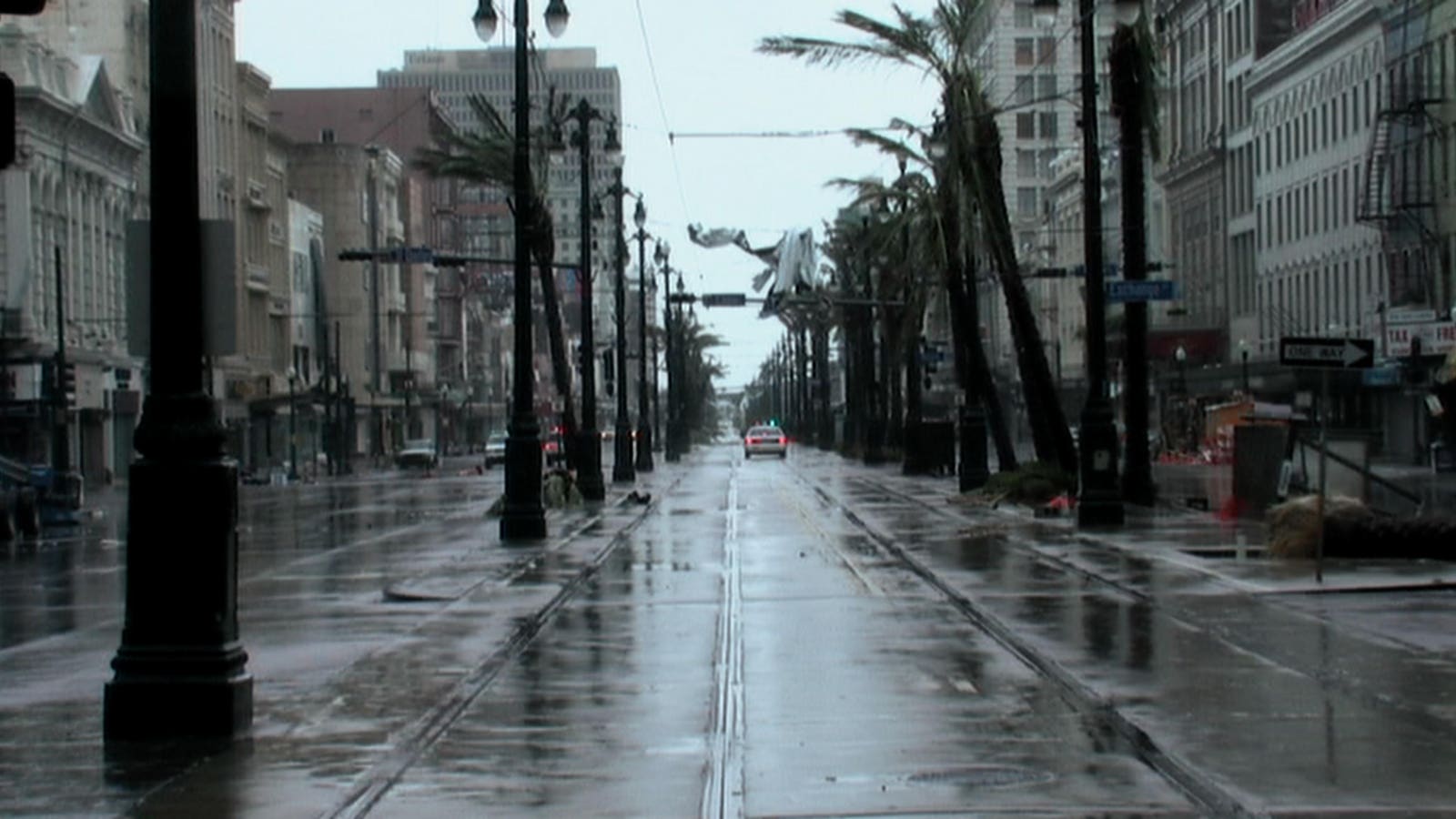
Introduction to Hurricane Katrina
On August 29, 2005, Hurricane Katrina struck New Orleans. The storm itself was devastating—but what followed was far worse. The real disaster, many experts argue, wasn’t the wind or water, but the collapse of infrastructure, communication, and trust in government.
Revisiting the Catastrophe
Now, two decades later, National Geographic’s Hurricane Katrina: Race Against Time revisits the catastrophe with the benefit of hindsight and the tools of modern technology. Directed by Traci A. Curry and produced by Proximity Media and Lightbox, the 5-part series is a digitally reconstructed case study in systemic failure—an attempt to rebuild not just the timeline, but the public memory of what actually happened.
Technology as a Truth-Telling Tool
I had an opportunity to connect with Ivor van Heerden, the former deputy director of Louisiana State University’s Hurricane Center. Ivor is the “Cassandra” of the Katrina tragedy—he predicted Hurricane Katrina and the catastrophic impact in 2004, only to be ignored. “This is definitely not a story about a storm,” said van Heerden. “The trigger, if you will, was a storm—but it was man’s folly that led to the catastrophe.”
At the time of Katrina, social media was in its infancy. Most people didn’t have smartphones. Surveillance footage was grainy or missing altogether. And the digital infrastructure needed to coordinate a large-scale emergency response simply didn’t exist. Fast-forward to 2025, and the tools for documentation and storytelling have changed dramatically. The production team behind Race Against Time used AI-enhanced video restoration, satellite overlays, GIS modeling, and high-resolution archival footage to create a real-time, moment-by-moment reconstruction of the disaster’s timeline.
The Failure of Infrastructure and Communication
The documentary also highlights how poor coordination and digital blind spots worsened the crisis. Government systems failed to track where people were sheltered. Communications systems collapsed. Rescue missions turned around because of misinformation—such as unconfirmed reports of violence or looting. “People were told to go to the Superdome and wait for help,” van Heerden said. “Then the damn roof blew off. And the cavalry didn’t come. And the cavalry didn’t come. And the cavalry didn’t come.”
A Stark Reminder
In one scene, the series deconstructs how the sound of gunfire—interpreted as aggression—was actually a signal for help. “The SOS signal for a hunter is three shots fired. Boom, boom, boom,” van Heerden explained. “You want to make a noise so you can be heard. But instead, those shots were misunderstood, and buses turned around.” It’s a stark reminder that signal, context, and interpretation are everything—especially in crisis response. It’s not enough to have data; you need to understand it, respond to it, and trust the systems delivering it.
A Warning for the Future
As we face a new era of climate-driven “storms on steroids,” van Heerden cautions that Katrina should not be viewed as an isolated failure, but as a warning. “We need to better understand how hurricanes are going to change given these warm oceans and the warm air,” he said. “And then the last thing is, it’s pretty hard to predict sometimes these storms… we need a lot more research into that.” That research depends on technology. From atmospheric sensors to predictive modeling, modern science is built on data. And yet, as van Heerden pointed out, the very agencies responsible for this work—like NOAA—are facing cuts. “You ignore the science at your folly,” he warned. “Science is a quest for the truth. If you ignore the science, then you won’t know the truth—and the folly is yours.”
Conclusion
Race Against Time is a digital act of reckoning. By combining technology, testimony, and survivor narratives, the series offers a framework for how we can revisit past crises—and build more resilient systems for the future. What Katrina exposed was not just vulnerability to weather, but vulnerability to misinformation, miscommunication, and outdated infrastructure. If there’s a tech lesson in this story, it’s that no amount of forecasting matters if you can’t translate data into action—and no tool can replace accountability. Hurricane Katrina: Race Against Time premiers on National Geographic on July 27. All episodes will be available to stream July 28 on Disney+ and Hulu.
FAQs
Q: What was the main cause of the disaster in Hurricane Katrina?
A: The main cause of the disaster in Hurricane Katrina was not just the storm itself, but the collapse of infrastructure, communication, and trust in government.
Q: How did the production team behind Race Against Time reconstruct the timeline of the disaster?
A: The production team used AI-enhanced video restoration, satellite overlays, GIS modeling, and high-resolution archival footage to create a real-time, moment-by-moment reconstruction of the disaster’s timeline.
Q: What is the warning that Ivor van Heerden gives for the future?
A: Ivor van Heerden warns that Katrina should not be viewed as an isolated failure, but as a warning for the future, and that we need to better understand how hurricanes are going to change given the warm oceans and warm air.
Q: What is the importance of technology in understanding and responding to crises like Hurricane Katrina?
A: Technology is crucial in understanding and responding to crises like Hurricane Katrina, as it provides the tools for documentation, storytelling, and data analysis that can help us build more resilient systems for the future.




Portable Benefits Could Fix the Gig Economy’s Biggest Problem

Ethical Reasoning Has Become a Core Workplace Skill and Training Programs Are Missing It

Stakeholder Pressure on CEOs Has Reached a Breaking Point

Identity Resilience at Work and Why It Matters More Than Grit

The Revenge of Middle Management and Why Organizations Should Pay Attention

First-Generation Professionals Face a Different Workplace and Nobody Prepares Them for It

Small Business Survival in Underserved Communities Needs More Than Microloans

Aging Populations are Reshaping Labor Markets Faster Than Policy Can Respond

How Emotional Intelligence Can Help You Manage Stress and Build Resilience

Interview with Dr. Kristy K. Taylor, WORxK Global News Magazine Founder

Sarah Herrlinger Talks AirPods Pro Hearing Aid

Unlocking Human Potential: Kim Groshek’s Journey to Transforming Leadership and Stress Resilience

NetWork Your Way to Success: Top Tips for Maximizing Your Professional Network

The Power of Belonging: Why Feeling Accepted Matters in the Workplace

Health-care stocks fall after Warren PBM bill, Brian Thompson shooting

Glenda Benevides: Creating Global Impact Through Music
-
 Resiliency1 year ago
How Emotional Intelligence Can Help You Manage Stress and Build Resilience
-
 Career Advice2 years ago
Interview with Dr. Kristy K. Taylor, WORxK Global News Magazine Founder
-
 Diversity and Inclusion (DEIA)2 years ago
Sarah Herrlinger Talks AirPods Pro Hearing Aid
-
 Changemaker Interviews2 years ago
Unlocking Human Potential: Kim Groshek’s Journey to Transforming Leadership and Stress Resilience
-
 Career Advice2 years ago
NetWork Your Way to Success: Top Tips for Maximizing Your Professional Network
-
 Diversity and Inclusion (DEIA)2 years ago
The Power of Belonging: Why Feeling Accepted Matters in the Workplace
-
 Global Trends and Politics2 years ago
Health-care stocks fall after Warren PBM bill, Brian Thompson shooting
-
 Changemaker Interviews2 years ago
Glenda Benevides: Creating Global Impact Through Music