
Innovation and Technology
3 AI Tools That Can Help Before Disaster Strikes

The Role of Artificial Intelligence in Disaster Preparation and Response
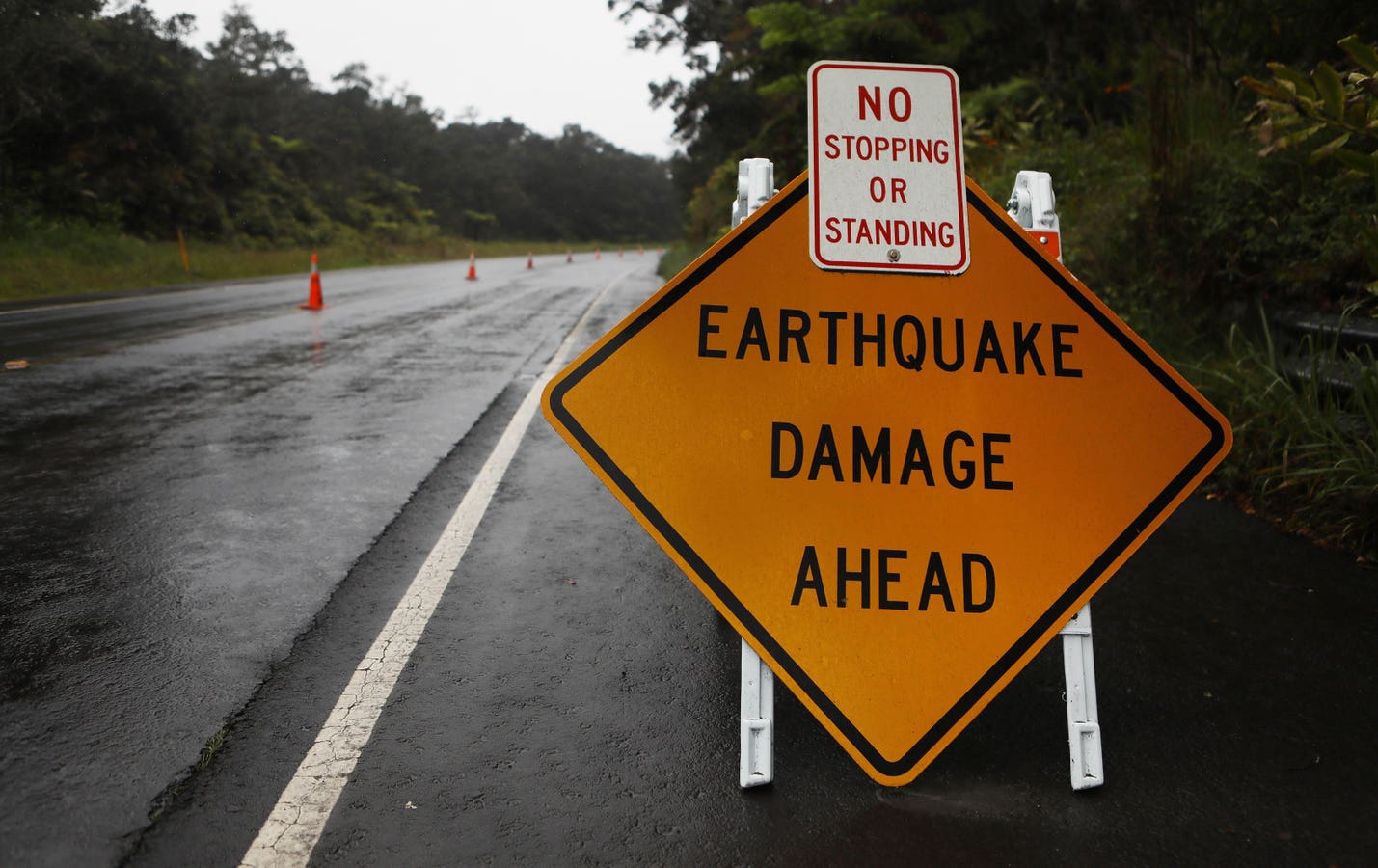
Parts of Northern California experienced a series of earthquakes in recent days, with the most recent one having a 5.8 Richter scale reading. While no one was injured, the events serve as a reminder of the importance of being prepared for natural disasters. Artificial Intelligence (AI) can play a crucial role in this preparation and response.
AI’s Capabilities in Predicting and Responding to Disasters
AI is designed to process large amounts of data and identify patterns that may elude human analysis. This makes it well-suited for worst-case scenario planning and preparations. By analyzing real-time sensor readings, historical weather records, structural engineering data, and satellite imagery, AI models can better predict where and when a crisis may occur.
Forecasting and Decision-Making
AI enables more granular decision-making during a crisis. Machine learning algorithms can pinpoint safe rescue routes, estimate potential infrastructure damage, and prioritize the best locations for distributing clean water, food, and medical supplies.
Protecting Property Owners Pre-Disaster
One tool, Zesty.ai, uses advanced machine learning algorithms to evaluate and model property-level risk due to catastrophic climate events. By integrating satellite imagery, building records, and geospatial data, Zesty.ai delivers precise insights into the vulnerabilities of homes and commercial structures. These insights enable property owners and insurers to take preemptive measures, such as hardening structures against storms, adjusting coverage to better reflect risk, or relocating people and high-value assets in advance of predicted disasters.
AI-Driven Disaster Planning
Preppr.ai, a platform founded by Justin Snair, offers a similar service. Snair, with over 20 years of experience in the military, government, public health, and emergency management sectors, created the platform to address the unmet need he saw in underfunded municipalities and agencies responsible for emergency responses. The platform uses open-source intelligence, natural language mapping, data-driven models, and realistic scenarios to build customized disaster exercises in minutes.
Swarm-Intelligence and Collaboration
Preppr’s "swarm-intelligence" feature enables users to share insights and strategies across communities through conversational AI and an AI agent support system in real-time. This feature is currently being researched by the NYC Pandemic Response Institute, which is evaluating its effectiveness in promoting inclusion and collaboration.
Data-Driven Decision-Making
DisasterAWARE, another AI-based resource, specializes in data risk intelligence. The company’s AI predicts both natural and human-caused threats to an organization’s people, assets, or buildings based on geography, enabling immediate preemptive action.
Conclusion
While AI may not be able to prepare for every eventuality, it is a valuable tool in disaster preparation and response. By analyzing data and identifying patterns, AI can help communities, businesses, and emergency responders prepare for and respond to disasters more effectively. As the saying goes, "AI is only as good as its data, coding, training, fine-tuning, and user." However, for informed users, AI can help map each stage of disaster management, from early risk assessments and resilience planning to the immediate aftermath of an event.
Frequently Asked Questions
Q: How does AI aid in disaster preparation and response?
A: AI analyzes large amounts of data to identify patterns, enabling more effective preparation and response to disasters.
Q: What are some examples of AI-based tools for disaster preparation and response?
A: Zesty.ai, Preppr.ai, and DisasterAWARE are a few examples of AI-based tools designed to aid in disaster preparation and response.
Q: What are the benefits of using AI in disaster planning?
A: AI can help predict and respond to disasters more effectively, reducing the risk of injury or loss of life, and optimizing resource allocation.




Portable Benefits Could Fix the Gig Economy’s Biggest Problem

Ethical Reasoning Has Become a Core Workplace Skill and Training Programs Are Missing It

Stakeholder Pressure on CEOs Has Reached a Breaking Point

Identity Resilience at Work and Why It Matters More Than Grit

The Revenge of Middle Management and Why Organizations Should Pay Attention

First-Generation Professionals Face a Different Workplace and Nobody Prepares Them for It

Small Business Survival in Underserved Communities Needs More Than Microloans

Aging Populations are Reshaping Labor Markets Faster Than Policy Can Respond

How Emotional Intelligence Can Help You Manage Stress and Build Resilience

Interview with Dr. Kristy K. Taylor, WORxK Global News Magazine Founder

Sarah Herrlinger Talks AirPods Pro Hearing Aid

Unlocking Human Potential: Kim Groshek’s Journey to Transforming Leadership and Stress Resilience

NetWork Your Way to Success: Top Tips for Maximizing Your Professional Network

The Power of Belonging: Why Feeling Accepted Matters in the Workplace

Health-care stocks fall after Warren PBM bill, Brian Thompson shooting

Glenda Benevides: Creating Global Impact Through Music
-
 Resiliency1 year ago
How Emotional Intelligence Can Help You Manage Stress and Build Resilience
-
 Career Advice2 years ago
Interview with Dr. Kristy K. Taylor, WORxK Global News Magazine Founder
-
 Diversity and Inclusion (DEIA)2 years ago
Sarah Herrlinger Talks AirPods Pro Hearing Aid
-
 Changemaker Interviews2 years ago
Unlocking Human Potential: Kim Groshek’s Journey to Transforming Leadership and Stress Resilience
-
 Career Advice2 years ago
NetWork Your Way to Success: Top Tips for Maximizing Your Professional Network
-
 Diversity and Inclusion (DEIA)2 years ago
The Power of Belonging: Why Feeling Accepted Matters in the Workplace
-
 Global Trends and Politics2 years ago
Health-care stocks fall after Warren PBM bill, Brian Thompson shooting
-
 Changemaker Interviews2 years ago
Glenda Benevides: Creating Global Impact Through Music