
Innovation and Technology
The Biggest Barriers Blocking Agentic AI Adoption

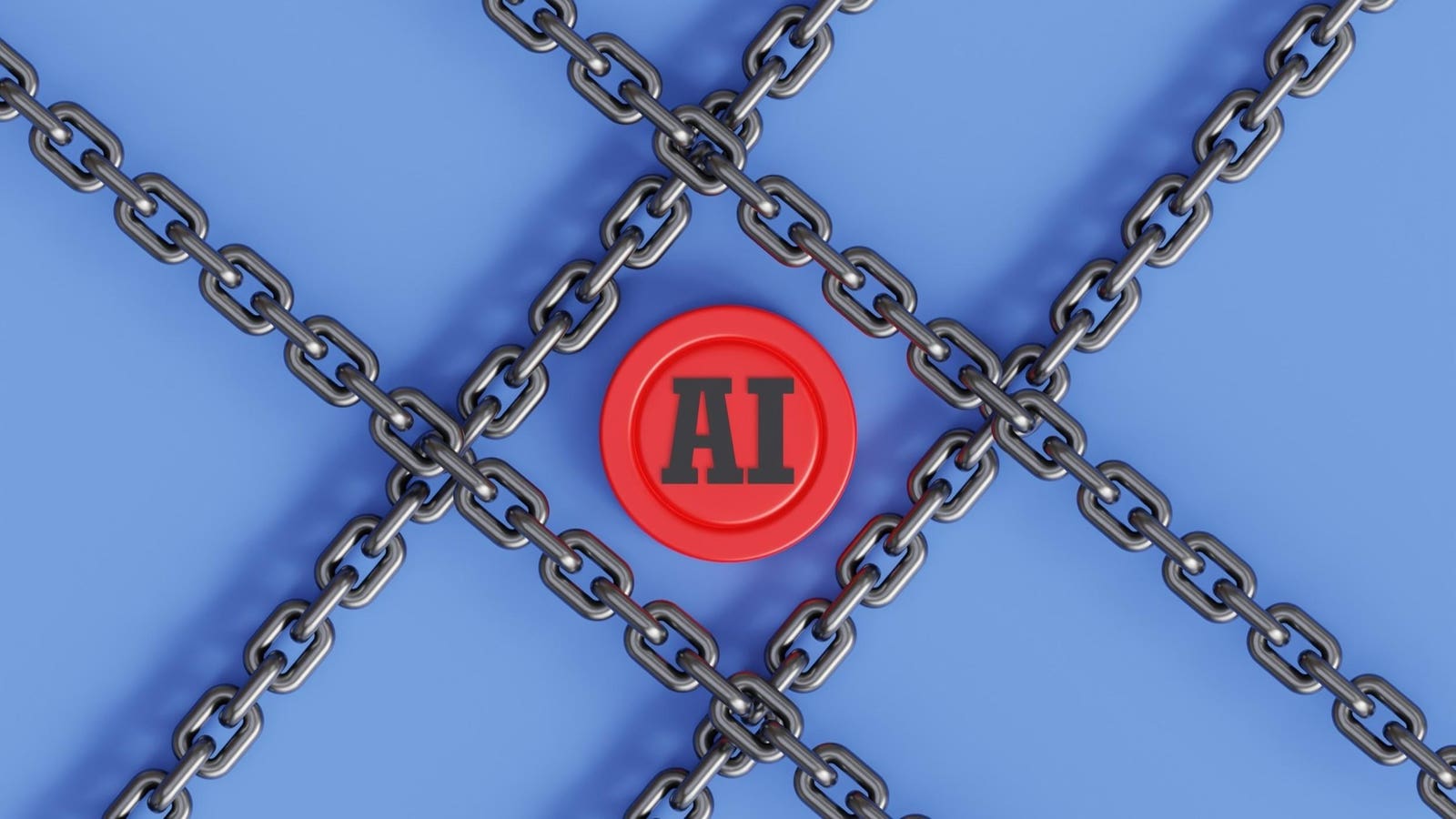
The concept of agentic AI has been gaining traction, promising a future where intelligent digital agents can handle complex tasks across various industries. However, significant barriers stand in the way of realizing this vision. To understand the challenges that lie ahead, it’s essential to delve into the world of agentic AI and explore the obstacles that developers, organizations, and society as a whole must overcome.
Introduction to Agentic AI
Agentic AI represents the next generation of artificial intelligence, going beyond the capabilities of current chatbots like ChatGPT and Claude. These AI assistants are designed to carry out complex tasks on our behalf, cooperating with external systems to perform routine knowledge and decision-making tasks. The potential benefits of agentic AI are vast, but so are the challenges that must be addressed.
Trust and Reliability
Trust is a critical factor in the adoption of agentic AI. For these agents to be effective, they must be trusted with sensitive and personal data, and their decision-making capabilities must be reliable. However, agents are not flawless, and there have been instances where they can be tricked or make errors. Companies must carefully plan and comply with regulations to mitigate these risks, which can be a significant barrier to adoption.
Infrastructure and Compatibility
Another significant challenge facing agentic AI is the lack of infrastructure and compatibility with third-party systems. Many systems are not designed to work with AI agents, which can limit their functionality. While some agents use computer vision to interact with websites and apps, this approach is not perfect and can be less successful than human interaction. As agentic frameworks mature, it’s likely that digital infrastructure will evolve to support them, but this process may take time.
Security Concerns
The security implications of agentic AI are a significant concern. With their broad access to tools, platforms, and data, AI agents can be a high-value target for cybercriminals. If hijacked or exploited, agents can potentially provide decision-making access to our lives, creating new avenues of attack for hackers and fraudsters. Deploying AI agents in a secure and resilient manner is crucial, but this can be a challenge for individuals and businesses alike.
Cultural and Societal Barriers
Beyond the technical challenges, there are also cultural and societal barriers to the adoption of agentic AI. Some people may be uncomfortable with the idea of AI making decisions on their behalf, while others may be concerned about the impact on jobs, society, or the environment. Addressing these concerns requires a nuanced approach, demonstrating that AI agents can work in a reliable, trustworthy, and ethical manner. Building a culture that manages change effectively and shares the benefits of agentic AI inclusively is essential.
The Future of Agentic AI
The vision of agentic AI is exciting, with millions of intelligent systems interacting to enhance our efficiency and capabilities. However, overcoming the obstacles to this vision will require a concerted effort from developers, organizations, and society as a whole. By addressing the challenges of trust, infrastructure, security, and cultural acceptance, we can pave the way for AI agents to hit the mainstream in a safe and beneficial manner.




Portable Benefits Could Fix the Gig Economy’s Biggest Problem

Ethical Reasoning Has Become a Core Workplace Skill and Training Programs Are Missing It

Stakeholder Pressure on CEOs Has Reached a Breaking Point

Identity Resilience at Work and Why It Matters More Than Grit

The Revenge of Middle Management and Why Organizations Should Pay Attention

First-Generation Professionals Face a Different Workplace and Nobody Prepares Them for It

Small Business Survival in Underserved Communities Needs More Than Microloans

Aging Populations are Reshaping Labor Markets Faster Than Policy Can Respond

How Emotional Intelligence Can Help You Manage Stress and Build Resilience

Interview with Dr. Kristy K. Taylor, WORxK Global News Magazine Founder

Sarah Herrlinger Talks AirPods Pro Hearing Aid

Unlocking Human Potential: Kim Groshek’s Journey to Transforming Leadership and Stress Resilience

NetWork Your Way to Success: Top Tips for Maximizing Your Professional Network

The Power of Belonging: Why Feeling Accepted Matters in the Workplace

Health-care stocks fall after Warren PBM bill, Brian Thompson shooting

Glenda Benevides: Creating Global Impact Through Music
-
 Resiliency1 year ago
How Emotional Intelligence Can Help You Manage Stress and Build Resilience
-
 Career Advice2 years ago
Interview with Dr. Kristy K. Taylor, WORxK Global News Magazine Founder
-
 Diversity and Inclusion (DEIA)2 years ago
Sarah Herrlinger Talks AirPods Pro Hearing Aid
-
 Changemaker Interviews2 years ago
Unlocking Human Potential: Kim Groshek’s Journey to Transforming Leadership and Stress Resilience
-
 Career Advice2 years ago
NetWork Your Way to Success: Top Tips for Maximizing Your Professional Network
-
 Diversity and Inclusion (DEIA)2 years ago
The Power of Belonging: Why Feeling Accepted Matters in the Workplace
-
 Global Trends and Politics2 years ago
Health-care stocks fall after Warren PBM bill, Brian Thompson shooting
-
 Changemaker Interviews2 years ago
Glenda Benevides: Creating Global Impact Through Music