
Innovation and Technology
5 AI-Era Skills Mistakes That Will Cost Your Business Millions In 2026

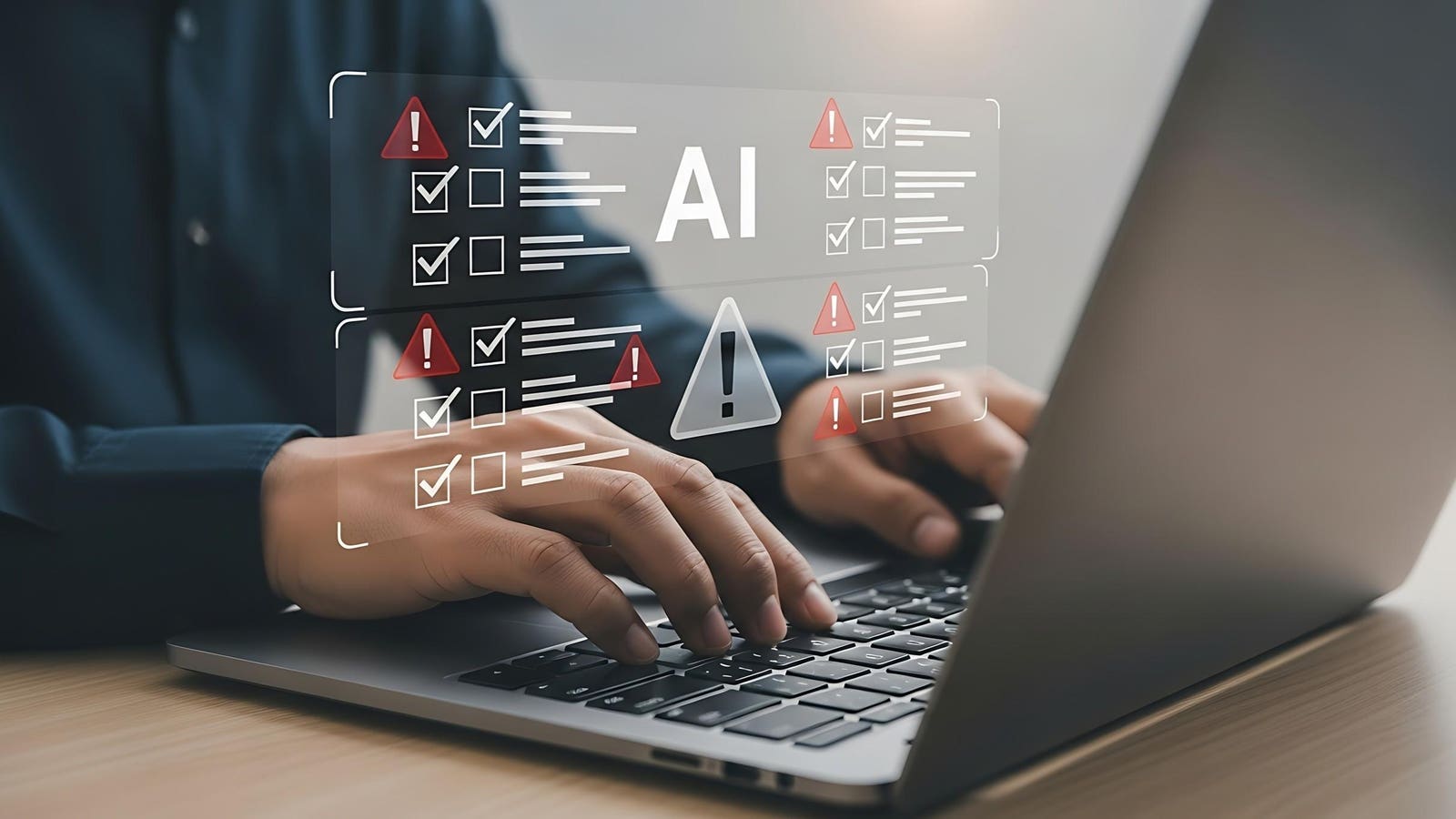
The modern workforce is undergoing a significant transformation, driven by the rapid advancement of artificial intelligence (AI) and automation. As we navigate this new landscape, it’s becoming increasingly clear that the skills required to succeed in 2026 are vastly different from those of just a few years ago. The World Economic Forum estimates that $5.5 trillion will be lost globally due to workforce skills gaps, making it essential for businesses to adapt and prioritize upskilling, reskilling, and continuous education.
Understanding the Impact of AI on the Workforce
AI is revolutionizing the way we work, creating new opportunities and challenges. While it’s true that some roles may become obsolete, others will emerge, and it’s crucial for employees to understand how AI affects their responsibilities. Establishing a baseline level of AI literacy is vital, as it enables workers to collaborate effectively with AI and data experts, driving innovation and growth. Companies like Samsung have already experienced the consequences of inadequate AI education, suffering reputational damage and loss of trust.
Common Mistakes Businesses Make in the AI Era
There are several critical mistakes that businesses must avoid to remain competitive in the AI era. Firstly, overlooking AI literacy can have severe consequences, including delayed projects and missed opportunities. Secondly, failing to deliver an “always-on” learning ecosystem can lead to a skills gap, as technical skills have a rapidly decreasing half-life. Experts estimate that a learned technical skill today has a half-life of as little as 2.5 years, making continuous learning essential.
Prioritizing Soft Skills in the Age of Automation
In a world where machines are increasingly capable of performing repetitive technical tasks, human skills like creative thinking, curiosity, leadership, and empathy become exponentially more valuable. The World Economic Forum’s Future Of Jobs 2025 report highlights the importance of these skills, which AI algorithms still struggle to replicate. Businesses must prioritize soft skills development, fostering a culture that values communication, collaboration, and emotional intelligence.
The Importance of Managerial Support in Upskilling Initiatives
Managers play a crucial role in overseeing and implementing upskilling programs, but they often receive inadequate training and support. To address this, businesses should build training targets into management KPIs, provide reporting tools to track progress, and offer training for managers to develop the necessary skills to lead workplace upskilling. This includes delivering feedback, spotting opportunities for learning, and equipping teams with the tools and competencies required to succeed.
Navigating Economic Downturns through Strategic Upskilling
In times of economic uncertainty, businesses may be tempted to cut costs by reducing training and upskilling initiatives. However, this approach can have severe consequences, leaving workforces unprepared to adapt to changing circumstances. Instead, companies should focus on efficiently identifying areas where upskilling will create the most benefit, contributing to business goals and driving innovation. By adopting a strategic approach to upskilling and reskilling, businesses can mitigate risks and thrive in the face of adversity.
Mitigating Workplace Skills and Upskilling Risks
As the ability to innovate through technology becomes a key differentiator between business success and failure, understanding the importance of avoiding common pitfalls is crucial. By prioritizing AI literacy, delivering an “always-on” learning ecosystem, prioritizing soft skills, supporting managerial development, and navigating economic downturns through strategic upskilling, businesses can navigate the tech skills crisis and remain competitive in 2026. The future of work is rapidly evolving, and companies that adapt and prioritize continuous learning will be best positioned to succeed.




Portable Benefits Could Fix the Gig Economy’s Biggest Problem

Ethical Reasoning Has Become a Core Workplace Skill and Training Programs Are Missing It

Stakeholder Pressure on CEOs Has Reached a Breaking Point

Identity Resilience at Work and Why It Matters More Than Grit

The Revenge of Middle Management and Why Organizations Should Pay Attention

First-Generation Professionals Face a Different Workplace and Nobody Prepares Them for It

Small Business Survival in Underserved Communities Needs More Than Microloans

Aging Populations are Reshaping Labor Markets Faster Than Policy Can Respond

How Emotional Intelligence Can Help You Manage Stress and Build Resilience

Interview with Dr. Kristy K. Taylor, WORxK Global News Magazine Founder

Sarah Herrlinger Talks AirPods Pro Hearing Aid

Unlocking Human Potential: Kim Groshek’s Journey to Transforming Leadership and Stress Resilience

NetWork Your Way to Success: Top Tips for Maximizing Your Professional Network

The Power of Belonging: Why Feeling Accepted Matters in the Workplace

Health-care stocks fall after Warren PBM bill, Brian Thompson shooting

Glenda Benevides: Creating Global Impact Through Music
-
 Resiliency1 year ago
How Emotional Intelligence Can Help You Manage Stress and Build Resilience
-
 Career Advice2 years ago
Interview with Dr. Kristy K. Taylor, WORxK Global News Magazine Founder
-
 Diversity and Inclusion (DEIA)2 years ago
Sarah Herrlinger Talks AirPods Pro Hearing Aid
-
 Changemaker Interviews2 years ago
Unlocking Human Potential: Kim Groshek’s Journey to Transforming Leadership and Stress Resilience
-
 Career Advice2 years ago
NetWork Your Way to Success: Top Tips for Maximizing Your Professional Network
-
 Diversity and Inclusion (DEIA)2 years ago
The Power of Belonging: Why Feeling Accepted Matters in the Workplace
-
 Global Trends and Politics2 years ago
Health-care stocks fall after Warren PBM bill, Brian Thompson shooting
-
 Changemaker Interviews2 years ago
Glenda Benevides: Creating Global Impact Through Music