
Innovation and Technology
The 5 Robotics Trends In 2026 You Must Get Ready For Now

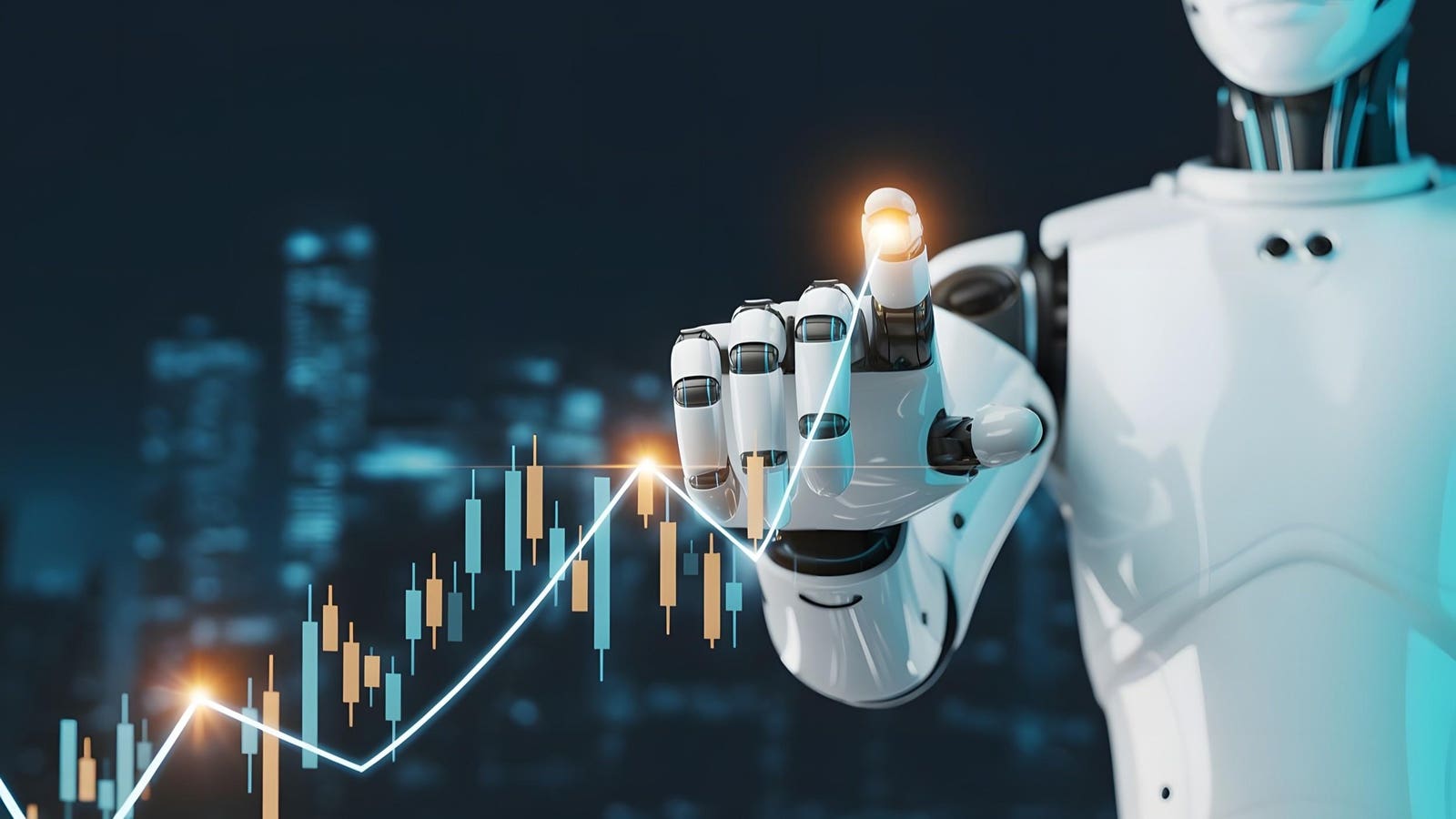
The world of artificial intelligence (AI) is undergoing a significant transformation, as it begins to transcend the digital realm and enter the physical world. In 2026, we can expect to see a proliferation of humanoid robots, autonomous vehicles, and collaborative machines, which will revolutionize various aspects of our lives, from workplaces and cities to healthcare and homes. This shift is largely driven by advancements in AI technology, which have enabled machines to become more sophisticated, flexible, and adaptable.
The Rise of Humanoid Robots
Humanoid robots, inspired by science fiction, are becoming increasingly common in various settings, including workplaces, healthcare facilities, and even homes. These robots are designed to mimic human-like movements and interactions, making them more relatable and user-friendly. The development of humanoid robots is a complex task, requiring sophisticated AI that can control and animate their movements. However, their flexibility and adaptability make them an attractive option for various applications, from manufacturing and logistics to companionship and care.
Cobots: Collaborative Robots in the Workplace and Home
Cobots, or collaborative robots, are designed to work alongside humans, sharing spaces and tasks. Initially, cobots were limited to high-tech industrial settings, but as technology advances and prices decrease, they are becoming more accessible to small and medium-sized businesses. The market for cobots is expected to grow significantly, reaching almost $30 billion by 2035. In 2026, we can expect to see cobots being used in various settings, including manufacturing, logistics, and even providing companionship to the elderly and housebound.
Robotics in Industrial Settings
In industrial settings, cobots are being used to perform tasks such as serving food and drink, cleaning public spaces, and providing maintenance support. For example, the recently opened Tesla Diner features cobots serving food and drink, demonstrating the potential of robotics in the service industry. As the technology continues to mature, we can expect to see more innovative applications of cobots in various industries.
Robotaxis: The Future of Transportation
Fully autonomous cars have been a topic of discussion for several years, but the development of robotaxis has shown significant progress. In 2026, we can expect to see more people experiencing the convenience of being chauffeured around town without human intervention. Several cities, including San Francisco, Phoenix, and Austin in the US, as well as Beijing, Wuhan, and Chongqing in China, already have operational robotaxi services. Plans are also underway to launch trials or operational services in many other locations, including Dubai, Europe, and South Korea.
Robots in Construction and Engineering
The construction and engineering industries are also being transformed by the introduction of robots. Tasks that require high levels of physical dexterity, such as construction, plumbing, and engineering, are being automated using robots like the bricklaying robot Hadrian X and the Baubot MRS15, which drills holes to install cabling and plumbing. These robots have the potential to reduce the repetitive workload of humans by 25 to 90 percent, while cutting the time spent on hazardous tasks by 72 percent. As the technology continues to advance, we can expect to see more widespread adoption of robots in the construction and engineering industries.
Robotic Warfare: A New Era of Conflict
The emergence of battlefield robots and automated weapons is redefining the face of modern conflicts. Robot dogs are being used for reconnaissance and logistics support, while automated machine guns can distinguish between allied and enemy forces. The US military’s Replicator initiative is focused on developing and manufacturing automated weapons systems, including AI-piloted drones and uncrewed assault boats. China has also unveiled autonomous underwater drones, lasers, and robot wolves, which are reportedly capable of hunting and attacking enemy soldiers. As 2026 unfolds, the shift from digital to physical AI represents one of the most transformative technological changes of our generation.




Portable Benefits Could Fix the Gig Economy’s Biggest Problem

Ethical Reasoning Has Become a Core Workplace Skill and Training Programs Are Missing It

Stakeholder Pressure on CEOs Has Reached a Breaking Point

Identity Resilience at Work and Why It Matters More Than Grit

The Revenge of Middle Management and Why Organizations Should Pay Attention

First-Generation Professionals Face a Different Workplace and Nobody Prepares Them for It

Small Business Survival in Underserved Communities Needs More Than Microloans

Aging Populations are Reshaping Labor Markets Faster Than Policy Can Respond

How Emotional Intelligence Can Help You Manage Stress and Build Resilience

Interview with Dr. Kristy K. Taylor, WORxK Global News Magazine Founder

Sarah Herrlinger Talks AirPods Pro Hearing Aid

Unlocking Human Potential: Kim Groshek’s Journey to Transforming Leadership and Stress Resilience

NetWork Your Way to Success: Top Tips for Maximizing Your Professional Network

The Power of Belonging: Why Feeling Accepted Matters in the Workplace

Health-care stocks fall after Warren PBM bill, Brian Thompson shooting

Glenda Benevides: Creating Global Impact Through Music
-
 Resiliency1 year ago
How Emotional Intelligence Can Help You Manage Stress and Build Resilience
-
 Career Advice2 years ago
Interview with Dr. Kristy K. Taylor, WORxK Global News Magazine Founder
-
 Diversity and Inclusion (DEIA)2 years ago
Sarah Herrlinger Talks AirPods Pro Hearing Aid
-
 Changemaker Interviews2 years ago
Unlocking Human Potential: Kim Groshek’s Journey to Transforming Leadership and Stress Resilience
-
 Career Advice2 years ago
NetWork Your Way to Success: Top Tips for Maximizing Your Professional Network
-
 Diversity and Inclusion (DEIA)2 years ago
The Power of Belonging: Why Feeling Accepted Matters in the Workplace
-
 Global Trends and Politics2 years ago
Health-care stocks fall after Warren PBM bill, Brian Thompson shooting
-
 Changemaker Interviews2 years ago
Glenda Benevides: Creating Global Impact Through Music