
Innovation and Technology
The Rise Of Polyfunctional, Intelligent Automation

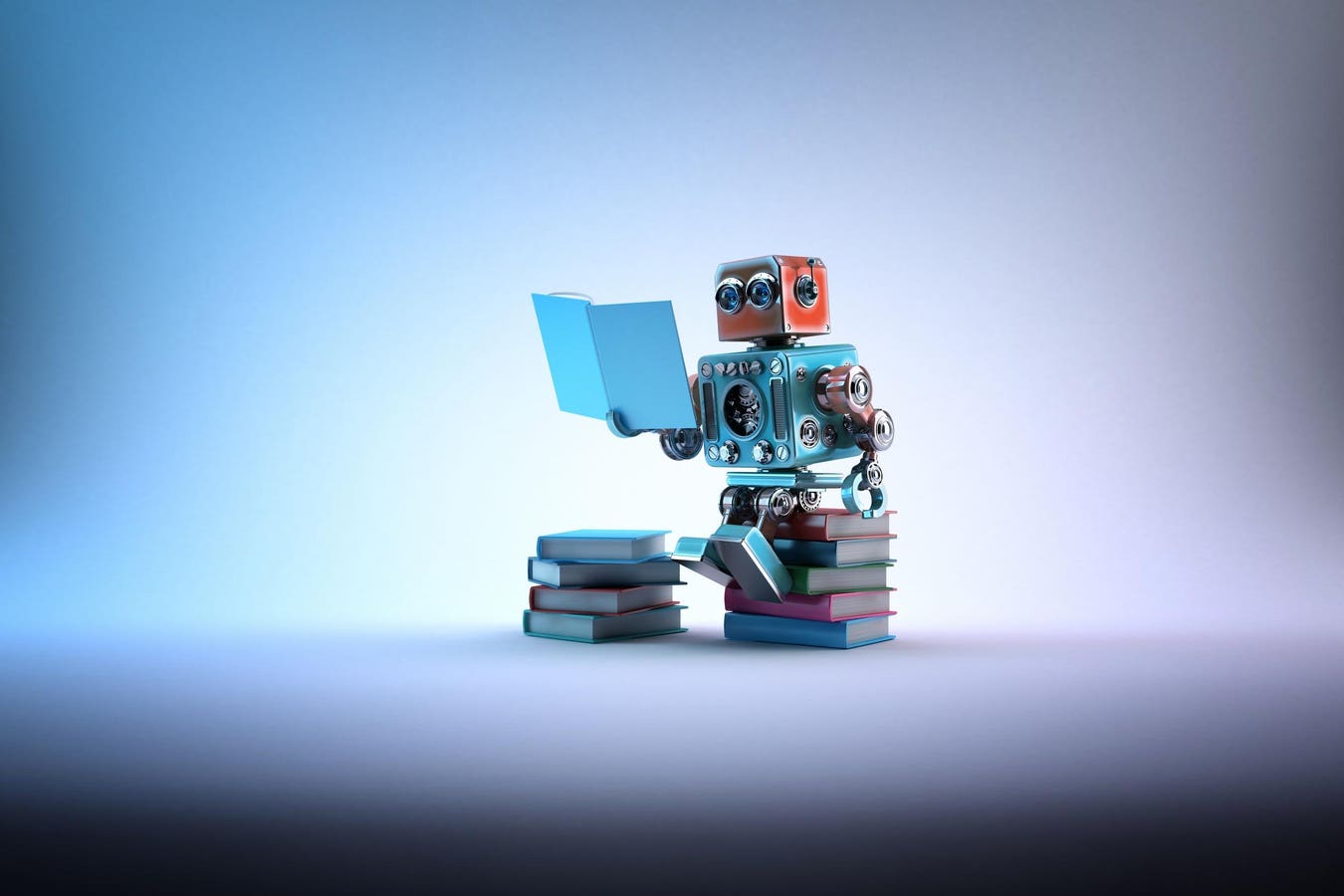
The world of industrial automation is on the cusp of a revolution, driven by the emergence of polyfunctional, intelligent robots. These advanced machines are capable of learning, reasoning, and collaborating, marking a significant shift from the rigid, single-task robots of the past. According to Peter Bendor-Samuel and Richard Sear, experts from Everest Group, this transformation is not a distant vision, but a tangible shift already underway.
Understanding the Shift
Throughout history, great leaps forward in industry have been driven by fundamental rethinking of how work gets done. The 19th century saw the introduction of steam power, freeing factories from reliance on rivers. The 20th century brought electricity and assembly lines, transforming productivity. The late 20th century layered intelligence onto machines with digital computing. Now, we stand at the beginning of another era-defining shift: the rise of polyfunctional, intelligent manufacturing robots.
These robots are no longer limited to a single task, but are adaptive, multipurpose, and infused with artificial intelligence. They can switch between tasks, contexts, and even industries with minimal reprogramming. This shift is driven by five technological pillars: autonomous workflows, predictive motion planning, semantic reasoning, on-device learning, and human-robot interaction. These capabilities push robots beyond “programmable actuators” into the realm of autonomous industrial agents.
Key Drivers of the Shift
Several converging forces explain why polyfunctional robots are taking off in the mid-2020s. Product complexity and customization, advances in AI hardware, interoperability pressures, ecosystem investment, and regulatory evolution all intersect to make this moment pivotal. The economics of inflexible automation no longer work, and factories must be as adaptable as the markets they serve.
As intelligence migrates from mechanical design into orchestration layers, three major shifts are emerging. Orchestration becomes the strategic control point, with software arbitrating tasks across multiple robots and systems. Modularity and low-code platforms drive adoption, with factories demanding plug-and-play intelligence modules. Ecosystems trump point solutions, with value emerging when robots communicate with digital twins, integrate with enterprise systems, and interoperate with machines from multiple vendors.
Strategic Implications
Executives should recall how similar dynamics have played out in other technology revolutions. Drawing on experience, there are clear parallels: in telecom, control shifted from handset makers to platform ecosystems; in cloud computing, infrastructure became a commodity while orchestration and services captured value; and in automotive, software-defined vehicles are already displacing mechanical differentiation.
Manufacturing now faces its version of this story. The lesson is clear: don’t cling to the hardware race, focus on the orchestration, the ecosystem, and the data. Long-horizon roadmaps, partnerships, talent realignment, and new metrics will define leadership. Those who invest early in orchestration intelligence, cross-industry ecosystems, and flexible design architectures will be best positioned to lead this transformation.
A New Industrial Era Begins
This shift is about more than productivity; it’s about redefining the very nature of factories. Instead of static, preprogrammed spaces, we will see adaptive, learning organisms – factories that sense, decide, and evolve. The question isn’t whether this transformation will happen, it’s who will shape it. Those who control orchestration and ecosystems will lead; those who hesitate risk being locked into someone else’s platform.
Robots began as mere muscle, reliable but limited. They are now becoming minds, capable of context, learning, and adaptation. As with every great industrial shift, leadership will consolidate quickly around those who move early to shape standards, orchestrate ecosystems, and embrace modular intelligence. The era of intelligent, polyfunctional robots has arrived, and the leaders of tomorrow are those who understand that value no longer lives in the arm but in the brain, and in the ecosystem that connects them all.




Portable Benefits Could Fix the Gig Economy’s Biggest Problem

Ethical Reasoning Has Become a Core Workplace Skill and Training Programs Are Missing It

Stakeholder Pressure on CEOs Has Reached a Breaking Point

Identity Resilience at Work and Why It Matters More Than Grit

The Revenge of Middle Management and Why Organizations Should Pay Attention

First-Generation Professionals Face a Different Workplace and Nobody Prepares Them for It

Small Business Survival in Underserved Communities Needs More Than Microloans

Aging Populations are Reshaping Labor Markets Faster Than Policy Can Respond

How Emotional Intelligence Can Help You Manage Stress and Build Resilience

Interview with Dr. Kristy K. Taylor, WORxK Global News Magazine Founder

Sarah Herrlinger Talks AirPods Pro Hearing Aid

Unlocking Human Potential: Kim Groshek’s Journey to Transforming Leadership and Stress Resilience

NetWork Your Way to Success: Top Tips for Maximizing Your Professional Network

The Power of Belonging: Why Feeling Accepted Matters in the Workplace

Health-care stocks fall after Warren PBM bill, Brian Thompson shooting

Glenda Benevides: Creating Global Impact Through Music
-
 Resiliency1 year ago
How Emotional Intelligence Can Help You Manage Stress and Build Resilience
-
 Career Advice2 years ago
Interview with Dr. Kristy K. Taylor, WORxK Global News Magazine Founder
-
 Diversity and Inclusion (DEIA)2 years ago
Sarah Herrlinger Talks AirPods Pro Hearing Aid
-
 Changemaker Interviews2 years ago
Unlocking Human Potential: Kim Groshek’s Journey to Transforming Leadership and Stress Resilience
-
 Career Advice2 years ago
NetWork Your Way to Success: Top Tips for Maximizing Your Professional Network
-
 Diversity and Inclusion (DEIA)2 years ago
The Power of Belonging: Why Feeling Accepted Matters in the Workplace
-
 Global Trends and Politics2 years ago
Health-care stocks fall after Warren PBM bill, Brian Thompson shooting
-
 Changemaker Interviews2 years ago
Glenda Benevides: Creating Global Impact Through Music