
Innovation and Technology
10 Critical Skills Every Leader Must Master In 2026

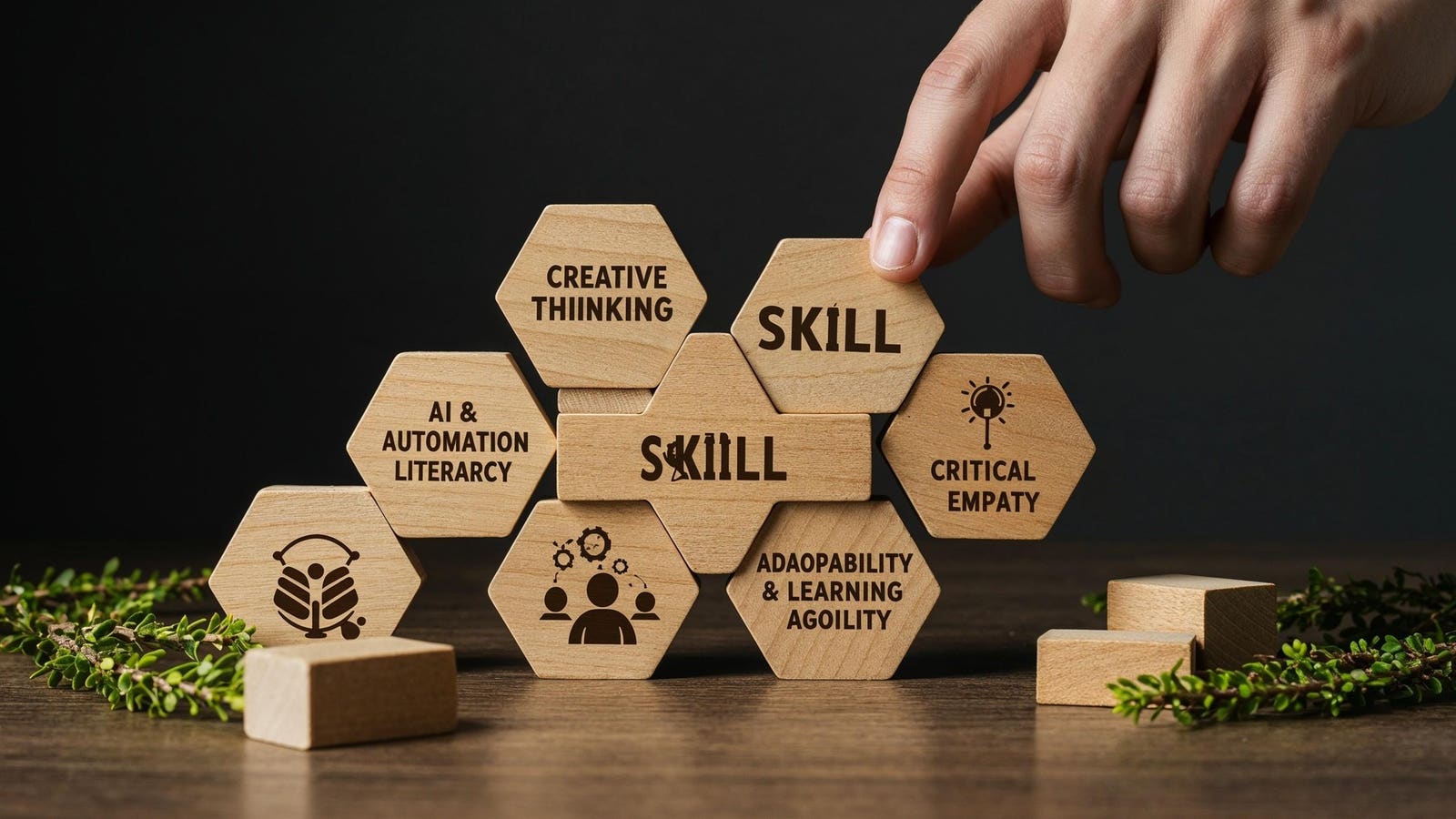
The world of business is undergoing a significant transformation, driven by the increasing use of artificial intelligence (AI) and machine learning. As AI agents become more integrated into business operations, the skills required for effective leadership are also evolving. In the past, traditional management competencies were sufficient, but today’s leaders need a more radical skillset to succeed.
Understanding the Changing Business Landscape
The convergence of intelligent machines with human workforces, corporate cultures, and customer expectations is creating a new landscape for businesses. By 2026, the best leaders will be those who can manage this convergence effectively, leveraging the strengths of both humans and machines to drive innovation and growth. However, no two businesses are the same, and there is no one-size-fits-all approach to developing the necessary skills.
Assessing the specific needs of each organization and applying the necessary skills to deliver effective, scalable, and safe digital transformation will be crucial. This requires a deep understanding of the capabilities and limitations of AI, as well as the ability to foster a culture that encourages collaboration between humans and machines.
Key Skills for Leaders in 2026
To succeed in 2026, leaders will need to develop a range of new skills, including agentic workflow management, AI innovation and entrepreneurship, data stewardship, AI ethics, data communication, cybersecurity strategy, workforce planning, learning agility, ESG specialists, and emotional intelligence and human empathy.
Agentic Workflow Management
As AI agents take on more responsibility for managing enterprise workflows, leaders will need to oversee and manage these autonomous workforces effectively. This requires a deep understanding of the capabilities and limitations of AI, as well as the ability to foster a culture that encourages collaboration between humans and machines.
AI Innovation and Entrepreneurship
Leaders who can find new ways to solve problems and create growth with AI will be the driving force behind business success in 2026. This requires a deep understanding of the capabilities and limitations of AI, as well as the ability to identify real-world use cases and scale solutions to operational deployment.
Data Stewardship
Data is the fuel of the AI revolution, and leaders will need to ensure that their organization’s data is both accessible and safe. This requires a deep understanding of data management and the ability to maintain the integrity of the information that powers algorithmic decision-making.
Leading in a Digital Age
As AI becomes more integrated into business operations, leaders will need to prioritize the development of new skills to succeed. This includes AI ethics, data communication, cybersecurity strategy, workforce planning, learning agility, ESG specialists, and emotional intelligence and human empathy.
AI Ethics
AI has the potential to deliver enormous benefits, but also to cause significant harm. Leaders will need to ensure that AI is deployed in a way that is transparent, fair, secure, accountable, and explainable, and that the potential risks are mitigated.
Data Communication
Communicating the insights and actionable strategies derived from data analytics will be critical to leadership in 2026. Leaders will need to be able to explain why AI makes decisions and foster a culture that encourages collaboration between humans and machines.
Cybersecurity Strategy
As technology becomes the driving force of business growth, leaders will need to prioritize cybersecurity strategy and stewardship. This includes fostering a security-first culture and assessing the security implications of every decision.
Preparing for the Future
To succeed in 2026, leaders will need to prioritize the development of new skills and competencies. This includes workforce planning, learning agility, ESG specialists, and emotional intelligence and human empathy.
Workforce Planning
Leaders will need to understand which tasks can be automated and which are still best left to humans. This requires a deep understanding of the capabilities and limitations of AI, as well as the ability to foster a culture that encourages collaboration between humans and machines.
Learning Agility
Leaders will need to subscribe to the philosophy of lifelong learning, constantly assessing and updating their own skillset. This requires a deep understanding of the capabilities and limitations of AI, as well as the ability to identify gaps in their own knowledge and training.
ESG Specialists
Environmental and social governance is becoming increasingly important for businesses, and leaders will need to understand how to interpret ESG data and guide progress towards sustainability and social responsibility goals.
Emotional Intelligence and Human Empathy
As automation and AI take on more work, leaders will need to prioritize the development of emotional intelligence and human empathy. This includes the ability to understand and respond to people’s emotions, fears, concerns, and feelings.
In conclusion, the skillset required for effective leadership in 2026 represents a fundamental shift from the competencies that defined success in previous decades. Leaders who prioritize the development of new skills and competencies, including agentic workflow management, AI innovation and entrepreneurship, data stewardship, AI ethics, data communication, cybersecurity strategy, workforce planning, learning agility, ESG specialists, and emotional intelligence and human empathy, will be well-positioned to succeed in a digital age.




Portable Benefits Could Fix the Gig Economy’s Biggest Problem

Ethical Reasoning Has Become a Core Workplace Skill and Training Programs Are Missing It

Stakeholder Pressure on CEOs Has Reached a Breaking Point

Identity Resilience at Work and Why It Matters More Than Grit

The Revenge of Middle Management and Why Organizations Should Pay Attention

First-Generation Professionals Face a Different Workplace and Nobody Prepares Them for It

Small Business Survival in Underserved Communities Needs More Than Microloans

Aging Populations are Reshaping Labor Markets Faster Than Policy Can Respond

How Emotional Intelligence Can Help You Manage Stress and Build Resilience

Interview with Dr. Kristy K. Taylor, WORxK Global News Magazine Founder

Sarah Herrlinger Talks AirPods Pro Hearing Aid

Unlocking Human Potential: Kim Groshek’s Journey to Transforming Leadership and Stress Resilience

NetWork Your Way to Success: Top Tips for Maximizing Your Professional Network

The Power of Belonging: Why Feeling Accepted Matters in the Workplace

Health-care stocks fall after Warren PBM bill, Brian Thompson shooting

Glenda Benevides: Creating Global Impact Through Music
-
 Resiliency1 year ago
How Emotional Intelligence Can Help You Manage Stress and Build Resilience
-
 Career Advice2 years ago
Interview with Dr. Kristy K. Taylor, WORxK Global News Magazine Founder
-
 Diversity and Inclusion (DEIA)2 years ago
Sarah Herrlinger Talks AirPods Pro Hearing Aid
-
 Changemaker Interviews2 years ago
Unlocking Human Potential: Kim Groshek’s Journey to Transforming Leadership and Stress Resilience
-
 Career Advice2 years ago
NetWork Your Way to Success: Top Tips for Maximizing Your Professional Network
-
 Diversity and Inclusion (DEIA)2 years ago
The Power of Belonging: Why Feeling Accepted Matters in the Workplace
-
 Global Trends and Politics2 years ago
Health-care stocks fall after Warren PBM bill, Brian Thompson shooting
-
 Changemaker Interviews2 years ago
Glenda Benevides: Creating Global Impact Through Music