
Innovation and Technology
AI Agents Lead The 8 Tech Trends Transforming Enterprise In 2026

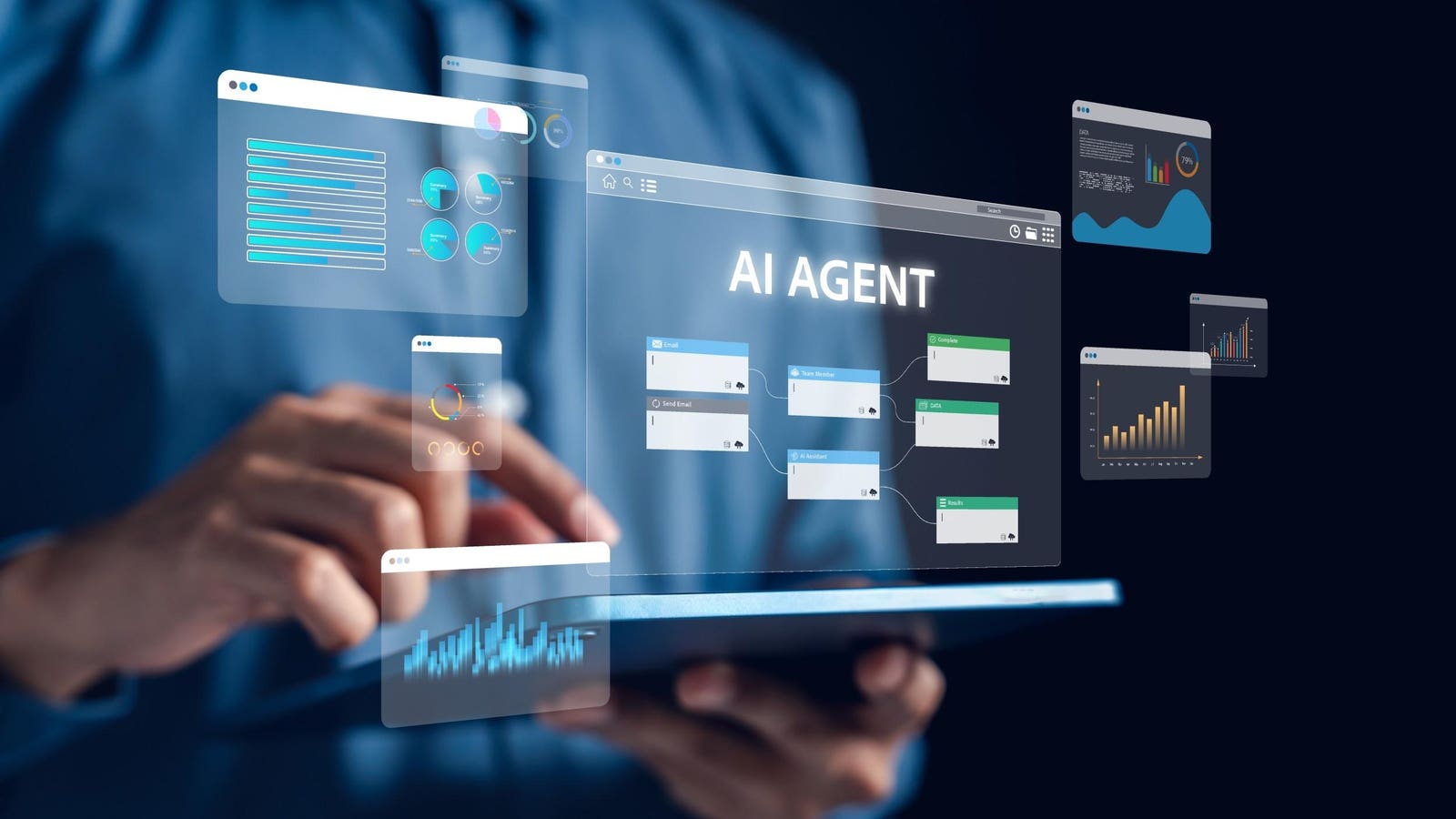
As we step into 2026, the business landscape is poised for a significant transformation. Emerging technologies are redefining the way companies operate, making it essential for leaders to stay ahead of the curve. In this article, we’ll explore the top technologies that will shape the future of enterprises, from AI agents and industry cloud platforms to quantum computing and digital twins.
Embracing the Future of Enterprise Technology
The next 12 months will be crucial for businesses looking to leverage technology to drive growth and stay competitive. With the rise of AI, cloud computing, and the Internet of Things (IoT), companies must adapt to a new reality where technology is no longer a supporting function, but a key driver of innovation and success. As we look to the year ahead, it’s clear that the most successful enterprises will be those that can harness the power of technology to create new opportunities, improve efficiency, and drive sustainability.
Key Technologies to Watch in 2026
So, what are the technologies that will define the future of enterprise? Here are eight key areas to watch in 2026, each with the potential to drive significant growth and transformation. From agentic platforms and GenAI copilots to industry-specialized cloud platforms and quantum computing, these technologies will reshape the way companies operate, innovate, and interact with customers.
1. Agentic Platforms: The Next Stage of Enterprise AI
Agentic platforms represent a significant evolution in enterprise AI, enabling companies to deploy AI agents that can carry out complex tasks and processes. These agents can interface with third-party services, monitor and adjust processes in real-time, and automate entire workflows. With the ability to deploy agents at scale via low-code/no-code interfaces, companies can unlock new levels of efficiency and productivity.
2. GenAI Copilots: Augmenting Human Capabilities
GenAI is rapidly moving from pilot projects to operational adoption, transforming knowledge workflows and augmenting human capabilities. By generating code, drafting contracts, and creating schedules, GenAI copilots can help employees work smarter and more efficiently. As IDC predicts, AI copilots will be embedded in 80% of enterprise workplace applications by the end of 2026.
3. Industry-Specialized Cloud Platforms: Tailored Solutions for Enterprise
Industry cloud platforms offer vertical solutions that encompass infrastructure, applications, and data, providing companies with tailored solutions for their specific needs. With major cloud providers like Google and Microsoft offering platforms for industries like healthcare, finance, and science, companies can leverage pre-built data models and compliance configurations to drive growth and innovation.
4. Quantum Computing: Opportunities and Challenges
Quantum computing presents both opportunities and challenges for enterprises in 2026. On the one hand, it offers the potential to solve complex calculations that could lead to breakthroughs in fields like finance, logistics, and pharmaceutical research. On the other hand, it poses a threat to encryption standards, making it essential for companies to begin planning their transition to quantum-safe forms of encryption.
5. Zero-Trust Edge: Securing the Future of Enterprise
The zero-trust edge concept refers to security functionality built into edge devices, ensuring consistent administration of security functionality. With the proliferation of smart, connected IoT devices and the shift to remote and hybrid working, companies must prioritize security and verify identity and access rights directly at the point where data is accessed and created.
6. Extended Reality: A New Era of Immersive Technology
Extended reality, including virtual and augmented reality, is poised to break into the mainstream in 2026. With the arrival of new smart glasses devices and more powerful headsets, companies can leverage immersive technology for training, remote expert assistance, and real-time warnings in dangerous environments.
7. Sustainable Technology: A Regulatory Requirement
Building sustainability into enterprise technology strategy has become a regulatory requirement for many companies, thanks to the EU Corporate Sustainability Reporting Directive. As companies respond to this requirement, they are adopting green software engineering principles, leveraging AI to monitor their activities, and integrating sustainability into their DNA.
8. Digital Twins: Modeling the Future of Enterprise Operations
Digital twins are evolving from simulations of isolated systems to modeling entire processes, facilities, or organizations. By integrating data from multiple sources, including real-time sensing and AI modeling, companies can shift from reactive to predictive modeling, delivering reduced product development times, reduced downtime, and improved workflow optimization.
Conclusion: Harnessing the Power of Technology
In conclusion, the technologies that will define the future of enterprise in 2026 are not operating in isolation, but as integrated elements of the digital enterprise fabric. As companies look to harness the power of technology to drive growth and innovation, they must also address human-centric challenges, including the skills gap, mitigating the impact of technology on human co-working and creativity, and adopting ethical guardrails to ensure transparency and protect against AI harm. By embracing these technologies and challenges, companies can unlock new opportunities, drive success, and thrive in a rapidly changing business landscape.




Portable Benefits Could Fix the Gig Economy’s Biggest Problem

Ethical Reasoning Has Become a Core Workplace Skill and Training Programs Are Missing It

Stakeholder Pressure on CEOs Has Reached a Breaking Point

Identity Resilience at Work and Why It Matters More Than Grit

The Revenge of Middle Management and Why Organizations Should Pay Attention

First-Generation Professionals Face a Different Workplace and Nobody Prepares Them for It

Small Business Survival in Underserved Communities Needs More Than Microloans

Aging Populations are Reshaping Labor Markets Faster Than Policy Can Respond

How Emotional Intelligence Can Help You Manage Stress and Build Resilience

Interview with Dr. Kristy K. Taylor, WORxK Global News Magazine Founder

Sarah Herrlinger Talks AirPods Pro Hearing Aid

Unlocking Human Potential: Kim Groshek’s Journey to Transforming Leadership and Stress Resilience

NetWork Your Way to Success: Top Tips for Maximizing Your Professional Network

The Power of Belonging: Why Feeling Accepted Matters in the Workplace

Health-care stocks fall after Warren PBM bill, Brian Thompson shooting

Glenda Benevides: Creating Global Impact Through Music
-
 Resiliency1 year ago
How Emotional Intelligence Can Help You Manage Stress and Build Resilience
-
 Career Advice2 years ago
Interview with Dr. Kristy K. Taylor, WORxK Global News Magazine Founder
-
 Diversity and Inclusion (DEIA)2 years ago
Sarah Herrlinger Talks AirPods Pro Hearing Aid
-
 Changemaker Interviews2 years ago
Unlocking Human Potential: Kim Groshek’s Journey to Transforming Leadership and Stress Resilience
-
 Career Advice2 years ago
NetWork Your Way to Success: Top Tips for Maximizing Your Professional Network
-
 Diversity and Inclusion (DEIA)2 years ago
The Power of Belonging: Why Feeling Accepted Matters in the Workplace
-
 Global Trends and Politics2 years ago
Health-care stocks fall after Warren PBM bill, Brian Thompson shooting
-
 Changemaker Interviews2 years ago
Glenda Benevides: Creating Global Impact Through Music