
Innovation and Technology
The Next Giant Leap For AI Is Called World Models

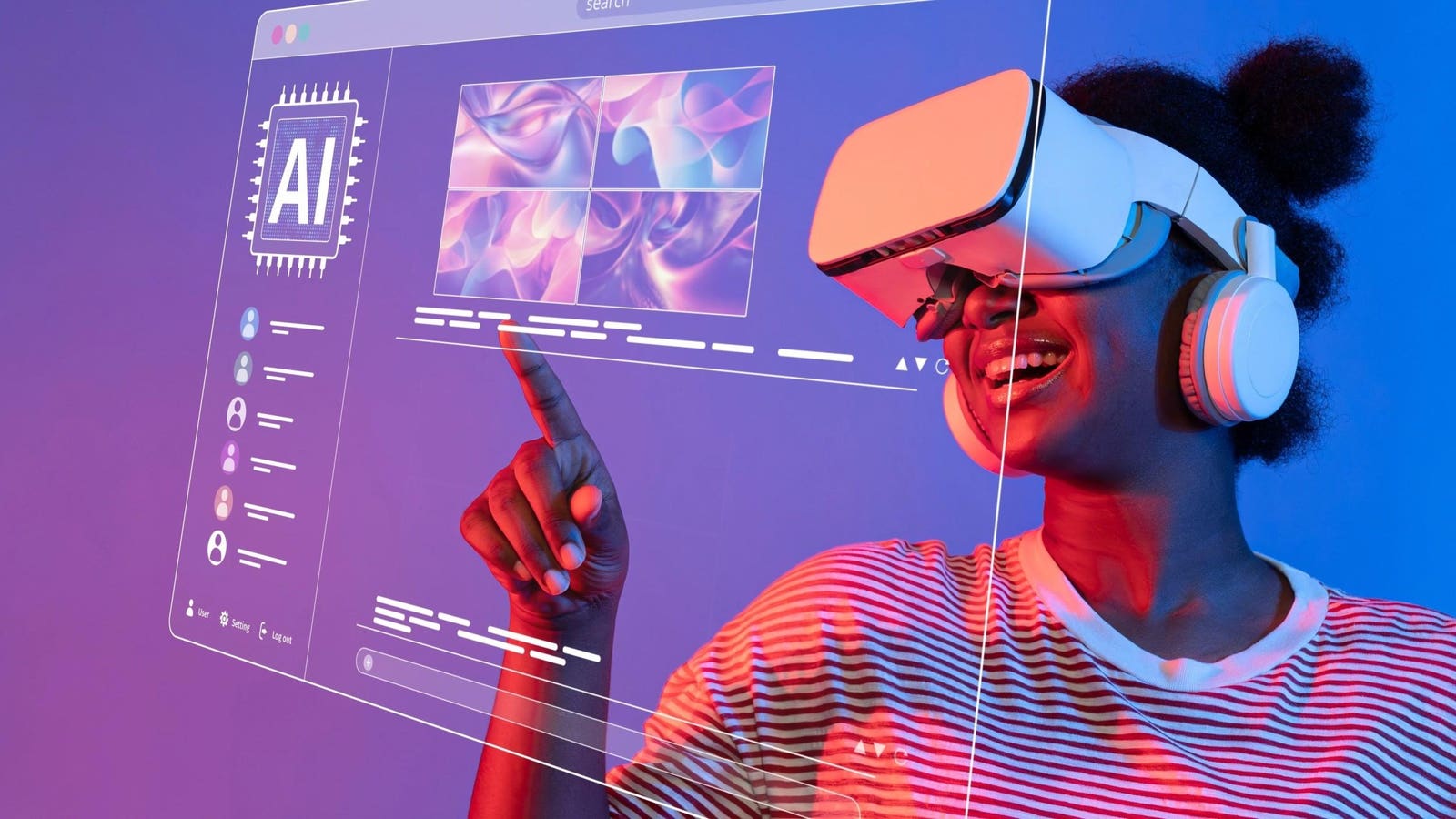
Imagine being able to create entire worlds with the help of artificial intelligence (AI). This is the promise of world models, a category of generative tools that can simulate full 3D environments, complete with realistic physics and responsive inhabitants. These immersive environments have the potential to revolutionize various industries, from engineering and architecture to robotics and medicine, by enabling the creation of highly realistic simulations that can help us better understand the world.
So, how do world models work? Currently, there are two main methods that AI models use to create virtual worlds. The first approach involves modeling everything dynamically, on the fly, as the user interacts with the world. This method is similar to how generative video models work, where each pixel is predicted based on the model’s understanding of physics and object behavior. However, world models take it a step further by responding to user input, such as moving the camera or interacting with objects, to generate a continuous and immersive experience. The second approach involves transforming a prompt into persistent geometric models, digital assets, and physics metadata, which can then be downloaded and imported into other software tools for manipulation and exploration.
Some of the biggest names in AI are currently developing their own world models. For example, Google’s Genie 3 platform can create worlds that remain persistent for several minutes, while Meta’s (Facebook) Habitat 3 platform is designed to create virtual environments for training embodied AI, such as physical robots. Other companies, like World Labs, are taking a different approach with their Marble world model, which creates persistent, downloadable 3D environments from text, image, or video prompts. Even Elon Musk’s xAI development group is working on a world model that will reportedly be used for both video games and training robots.
The potential use cases for world models are vast and varied. In healthcare, they can be used to create immersive digital twins of clinical environments to simulate patient interactions. In manufacturing, they can be used to create virtual training grounds for industrial robots and autonomous vehicles. Architects can use them to model and interact with buildings, testing how they react to physics, lighting, and airflow before construction begins. Additionally, world models can be used to simulate the human body environment and molecular reactions, which can help in the development of new medicines and treatments.
World models have the potential to be a key stepping stone on the road to artificial general intelligence (AGI), which refers to machines that can apply their knowledge and abilities to any task, regardless of whether they’ve been specifically trained to do it. By giving AI the capacity to understand how the world is built and how it holds together, world models can augment its abilities with language and vision. As such, world models are an exciting and vital area of AI development, and one that anyone interested in the future of AI should be following closely.




Portable Benefits Could Fix the Gig Economy’s Biggest Problem

Ethical Reasoning Has Become a Core Workplace Skill and Training Programs Are Missing It

Stakeholder Pressure on CEOs Has Reached a Breaking Point

Identity Resilience at Work and Why It Matters More Than Grit

The Revenge of Middle Management and Why Organizations Should Pay Attention

First-Generation Professionals Face a Different Workplace and Nobody Prepares Them for It

Small Business Survival in Underserved Communities Needs More Than Microloans

Aging Populations are Reshaping Labor Markets Faster Than Policy Can Respond

How Emotional Intelligence Can Help You Manage Stress and Build Resilience

Interview with Dr. Kristy K. Taylor, WORxK Global News Magazine Founder

Sarah Herrlinger Talks AirPods Pro Hearing Aid

Unlocking Human Potential: Kim Groshek’s Journey to Transforming Leadership and Stress Resilience

NetWork Your Way to Success: Top Tips for Maximizing Your Professional Network

The Power of Belonging: Why Feeling Accepted Matters in the Workplace

Health-care stocks fall after Warren PBM bill, Brian Thompson shooting

Glenda Benevides: Creating Global Impact Through Music
-
 Resiliency1 year ago
How Emotional Intelligence Can Help You Manage Stress and Build Resilience
-
 Career Advice2 years ago
Interview with Dr. Kristy K. Taylor, WORxK Global News Magazine Founder
-
 Diversity and Inclusion (DEIA)2 years ago
Sarah Herrlinger Talks AirPods Pro Hearing Aid
-
 Changemaker Interviews2 years ago
Unlocking Human Potential: Kim Groshek’s Journey to Transforming Leadership and Stress Resilience
-
 Career Advice2 years ago
NetWork Your Way to Success: Top Tips for Maximizing Your Professional Network
-
 Diversity and Inclusion (DEIA)2 years ago
The Power of Belonging: Why Feeling Accepted Matters in the Workplace
-
 Global Trends and Politics2 years ago
Health-care stocks fall after Warren PBM bill, Brian Thompson shooting
-
 Changemaker Interviews2 years ago
Glenda Benevides: Creating Global Impact Through Music