
Innovation and Technology
8 Smartphone Trends That Will Shape 2026

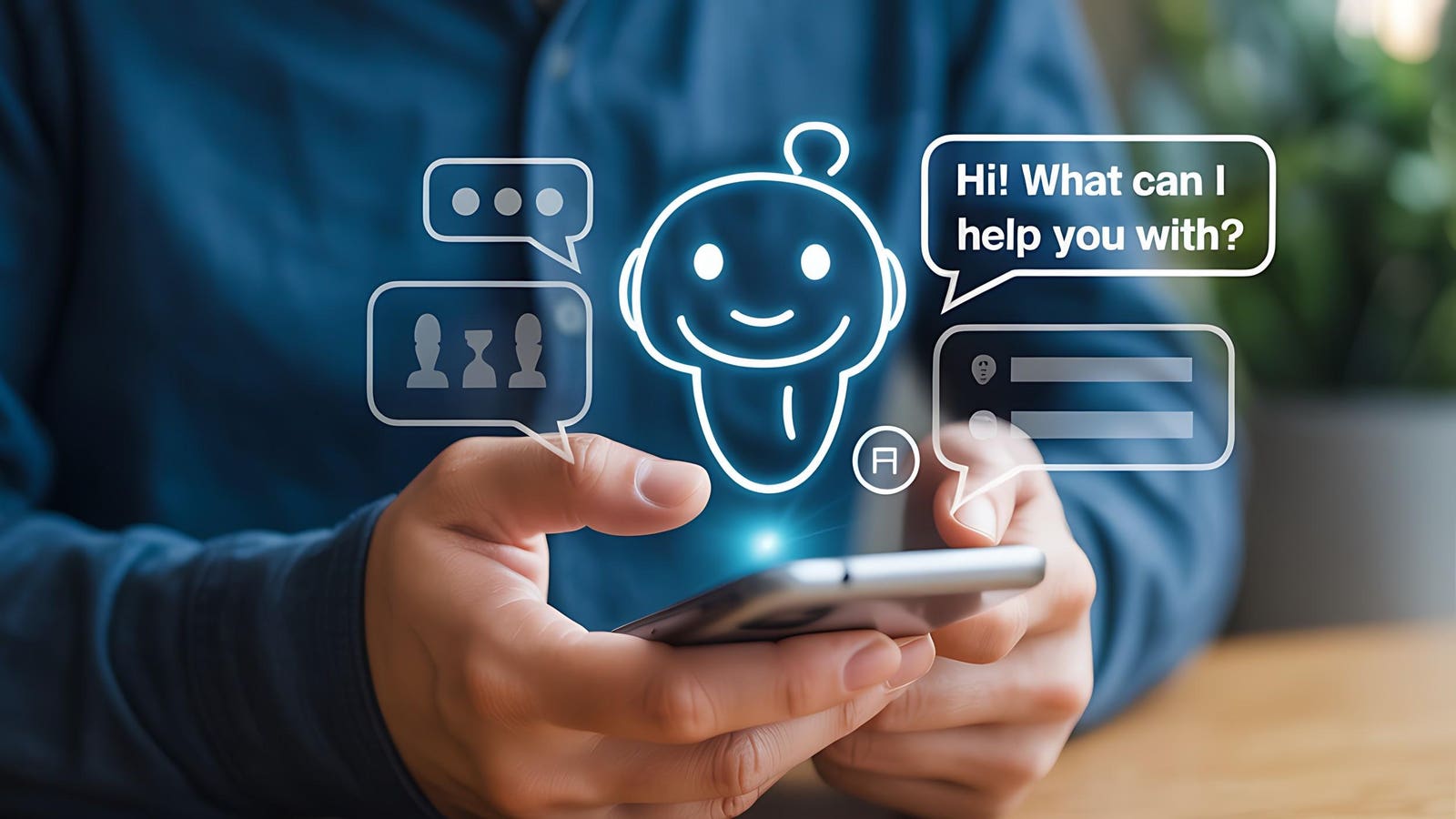
The world of smartphones is on the cusp of a significant transformation. As we step into 2026, we can expect to see major upgrades in artificial intelligence, connectivity, and design, leading to devices that are not only smarter but also more capable of handling both work and personal tasks with ease. This evolution is driven by the integration of AI-native processors, new connectivity layers, and advanced display systems, turning everyday devices into powerful personal platforms with enterprise-level capabilities.
Enhanced AI Capabilities
One of the most significant trends in 2026 will be the shift towards AI-native processors. Unlike previous models where AI was somewhat of an add-on, new processors such as Qualcomm’s Snapdragon 8 Gen 5, ARM’s Lumex, and Google’s Tensor G5 are built from the ground up with “edge” AI in mind. This means that algorithms will run natively on the device rather than relying on cloud access, resulting in faster responses, improved security, and a more seamless AI experience integrated into daily features and apps.
The Emergence of Agentic Super-Apps
The year 2026 is poised to see the convergence of two powerful trends: AI agents and super-apps. Imagine apps like China’s WeChat, but with the added capability of AI that not only provides information but also takes action on behalf of the user. With access to calendars, payment systems, contacts, preferences, and location data, these super-apps will manage the minutiae of daily life, from shopping and travel arrangements to social life management and automatic bill payments. This development promises to simplify life significantly but also raises questions about the level of control we are willing to grant to our devices.
Advancements in Display Technology
Foldable and dual-screen devices have been available for a while, albeit mostly in the high-end market. However, as manufacturing costs decrease, we can expect to see more affordable dual-screen models targeting the mid-tier market from vendors like OnePlus and Oppo, and possibly even the long-anticipated iPhone Fold from Apple. Moreover, advancements in glass durability and hinge mechanisms are likely to address the durability issues that have plagued some of these models, making multi-screen phones a more viable option for the mass market.
Sustainability in Smartphone Manufacturing
Sustainability has become a critical factor in the tech industry, driven by both consumer demand and regulatory requirements such as the EU Ecodesign rules. In 2026, we can expect significant progress in adopting circular models and reducing the environmental impact of device manufacturing. This includes commitments to ongoing security updates, greater use of recycled materials, and overall more sustainable production practices, marking a positive shift towards environmental responsibility in the tech sector.
Innovations in Camera Technology
Today’s smartphone cameras boast technology that would have been unimaginable just a few years ago. While the advancements in 2026 may be more evolutionary than revolutionary, we can look forward to innovations such as enhanced stabilization for better video recording, improved physical telescopic lenses, real-time video editing capabilities, and hardware upgrades like larger sensors for superior low-light photography. These advancements will continue to blur the lines between professional and amateur photography.
Holographic Displays: The Next Frontier
Following the advent of foldable and multi-screen displays, the next potential leap in display technology could be holographic displays. Major manufacturers like Samsung and Sony, along with startups such as Leia, are already exploring this technology, showcasing holographic panels and glasses-free 3D screens. While holographic displays may not be ready for mainstream adoption in 2026, the progress made this year will be a significant step towards making this futuristic technology a reality.
Satellite Connectivity Expands
Satellite phones, once the preserve of government, military, and emergency services, are becoming more accessible to consumers. Partnerships between consumer service providers like T-Mobile and AT&T with LEO satellite services such as Starlink and AST SpaceMobile aim to bring advanced connectivity to remote areas where traditional cellular networks often fail. This expansion promises to revolutionize communication and data access globally.
The Future of SIM Cards
With Apple having already ditched SIM cards in favor of eSIM technology, Android manufacturers are following suit. The introduction of integrated SIMs (iSIMs) in 2026 will further diminish the need for physical SIM cards, especially in lower and mid-range handsets. This shift will not only remove friction from the user experience, making connectivity more seamless and secure, but it will also mark a significant change in how we manage our mobile plans and data access.
The smartphone industry is on the brink of a transformative period, one that will profoundly impact how we work, communicate, and manage our daily lives. For businesses, these changes are particularly significant as they will set new standards for mobile productivity and secure data access. As our devices become smarter, greener, and more integrated into both personal and professional life, we can expect a future where technology enhances our experiences in profound and meaningful ways.




Portable Benefits Could Fix the Gig Economy’s Biggest Problem

Ethical Reasoning Has Become a Core Workplace Skill and Training Programs Are Missing It

Stakeholder Pressure on CEOs Has Reached a Breaking Point

Identity Resilience at Work and Why It Matters More Than Grit

The Revenge of Middle Management and Why Organizations Should Pay Attention

First-Generation Professionals Face a Different Workplace and Nobody Prepares Them for It

Small Business Survival in Underserved Communities Needs More Than Microloans

Aging Populations are Reshaping Labor Markets Faster Than Policy Can Respond

How Emotional Intelligence Can Help You Manage Stress and Build Resilience

Interview with Dr. Kristy K. Taylor, WORxK Global News Magazine Founder

Sarah Herrlinger Talks AirPods Pro Hearing Aid

Unlocking Human Potential: Kim Groshek’s Journey to Transforming Leadership and Stress Resilience

NetWork Your Way to Success: Top Tips for Maximizing Your Professional Network

The Power of Belonging: Why Feeling Accepted Matters in the Workplace

Health-care stocks fall after Warren PBM bill, Brian Thompson shooting

Glenda Benevides: Creating Global Impact Through Music
-
 Resiliency1 year ago
How Emotional Intelligence Can Help You Manage Stress and Build Resilience
-
 Career Advice2 years ago
Interview with Dr. Kristy K. Taylor, WORxK Global News Magazine Founder
-
 Diversity and Inclusion (DEIA)2 years ago
Sarah Herrlinger Talks AirPods Pro Hearing Aid
-
 Changemaker Interviews2 years ago
Unlocking Human Potential: Kim Groshek’s Journey to Transforming Leadership and Stress Resilience
-
 Career Advice2 years ago
NetWork Your Way to Success: Top Tips for Maximizing Your Professional Network
-
 Diversity and Inclusion (DEIA)2 years ago
The Power of Belonging: Why Feeling Accepted Matters in the Workplace
-
 Global Trends and Politics2 years ago
Health-care stocks fall after Warren PBM bill, Brian Thompson shooting
-
 Changemaker Interviews2 years ago
Glenda Benevides: Creating Global Impact Through Music