
Innovation and Technology
The Era of Connected Intelligence: When AI Gains a Physical Presence

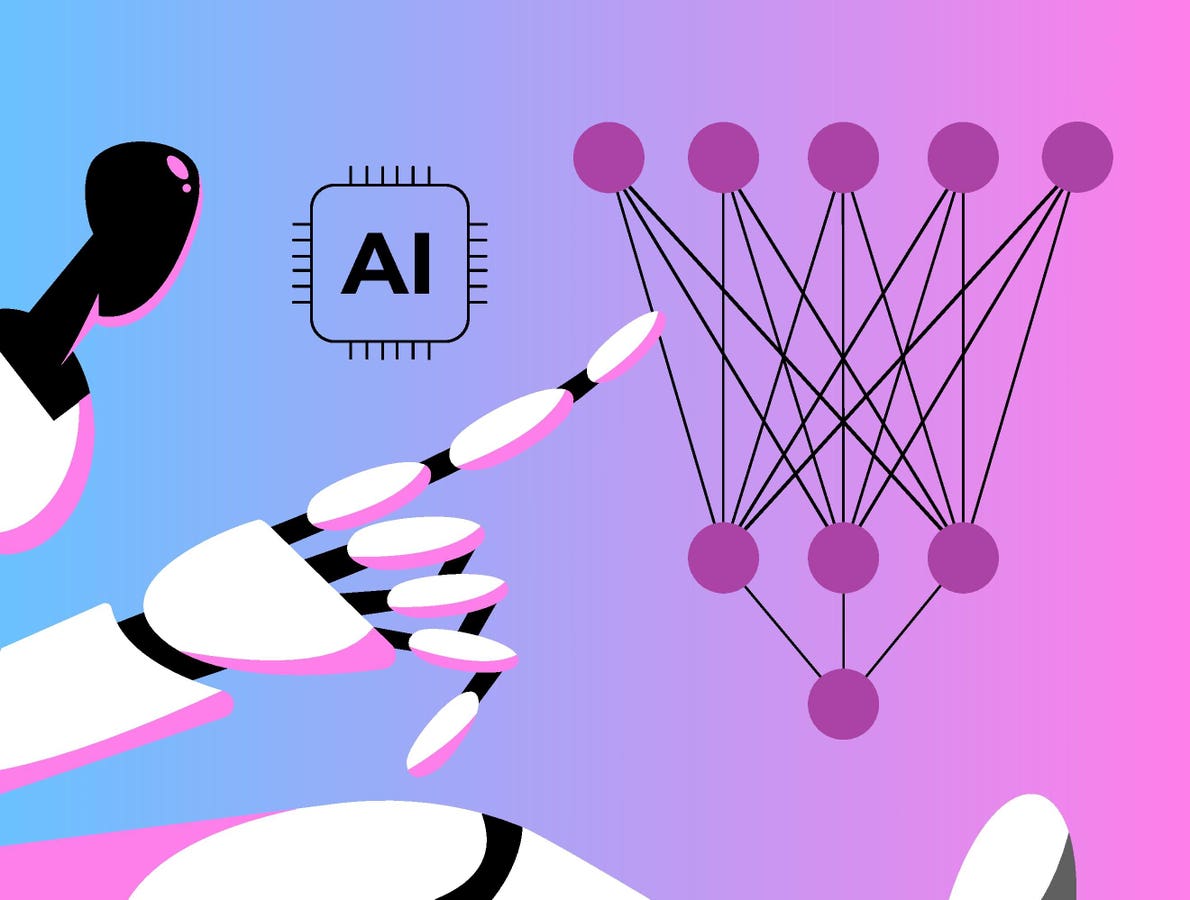
For the past few years, the technology world has been obsessed with “Large Language Models”—software that could talk, write, and code. However, a major shift is now underway. Innovation has moved from the screen to the physical world, driven by a synergy between advanced robotics, spatial computing, and next-generation connectivity.
Industry experts call this Connected Intelligence. It is the transition from AI that thinks to AI that acts in physical spaces.
AI Goes Physical: The Robotics Convergence
We are seeing a new class of “Polyfunctional Robots” entering the workforce. Unlike the rigid industrial arms of the past, these machines use AI to learn new tasks in hours rather than months of programming. From warehouses that navigate themselves to “digital twins” of entire factories, the boundary between software and hardware is effectively disappearing.
“The intelligence is no longer confined to the data center,” says Kenji Sato, a leading robotics engineer. “By integrating AI directly into the sensors and actuators of a machine, we are creating ‘Edge Intelligence.’ This allows a robot to react to a falling object or a human coworker in microseconds, without waiting for a signal from the cloud.”
The 6G Standardization Leap
A critical enabler of this innovation is the formal move toward 6G standardization. While 5G gave us faster video and better gaming, 6G is being designed specifically for the “Internet of Everything.”
Early pilot projects are demonstrating that this new level of connectivity provides the “nervous system” required for massive swarms of autonomous drones and delivery robots to coordinate in real-time. This isn’t just about speed; it’s about reliability and density, allowing millions of devices per square kilometer to communicate with near-zero latency.
Key Technological Pillars of 2026
-
Spatial Computing in the Field: Augmented Reality (AR) is moving beyond gaming and into high-stakes industrial maintenance. Technicians now use AR overlays to see “inside” complex machinery, guided by AI agents that highlight faults and provide step-by-step repair instructions in their field of vision.
-
Sustainable Compute: As the energy demands of AI skyrocket, innovation in “liquid-cooling” and energy-efficient chips is becoming a competitive necessity. Companies are now choosing hardware based on “performance-per-watt” as much as raw speed.
-
Machine-Legible Infrastructure: We are seeing the rise of cities and offices designed specifically for robots. This includes subtle “machine-readable” markers in architecture that help autonomous cleaners and delivery bots navigate with centimeter-level precision.
The Bottom Line
The next frontier of innovation isn’t a better chatbot; it is the seamless integration of intelligence into the objects and environments around us. As AI gains a physical “body” through robotics and a faster “nervous system” through advanced connectivity, the way we build, move, and maintain our world is being fundamentally rewritten.


Portable Benefits Could Fix the Gig Economy’s Biggest Problem

Ethical Reasoning Has Become a Core Workplace Skill and Training Programs Are Missing It

Stakeholder Pressure on CEOs Has Reached a Breaking Point

Identity Resilience at Work and Why It Matters More Than Grit

The Revenge of Middle Management and Why Organizations Should Pay Attention

First-Generation Professionals Face a Different Workplace and Nobody Prepares Them for It

Small Business Survival in Underserved Communities Needs More Than Microloans

Aging Populations are Reshaping Labor Markets Faster Than Policy Can Respond

How Emotional Intelligence Can Help You Manage Stress and Build Resilience

Interview with Dr. Kristy K. Taylor, WORxK Global News Magazine Founder

Sarah Herrlinger Talks AirPods Pro Hearing Aid

Unlocking Human Potential: Kim Groshek’s Journey to Transforming Leadership and Stress Resilience

NetWork Your Way to Success: Top Tips for Maximizing Your Professional Network

The Power of Belonging: Why Feeling Accepted Matters in the Workplace

Health-care stocks fall after Warren PBM bill, Brian Thompson shooting

Glenda Benevides: Creating Global Impact Through Music
-
 Resiliency1 year ago
How Emotional Intelligence Can Help You Manage Stress and Build Resilience
-
 Career Advice2 years ago
Interview with Dr. Kristy K. Taylor, WORxK Global News Magazine Founder
-
 Diversity and Inclusion (DEIA)2 years ago
Sarah Herrlinger Talks AirPods Pro Hearing Aid
-
 Changemaker Interviews2 years ago
Unlocking Human Potential: Kim Groshek’s Journey to Transforming Leadership and Stress Resilience
-
 Career Advice2 years ago
NetWork Your Way to Success: Top Tips for Maximizing Your Professional Network
-
 Diversity and Inclusion (DEIA)2 years ago
The Power of Belonging: Why Feeling Accepted Matters in the Workplace
-
 Global Trends and Politics2 years ago
Health-care stocks fall after Warren PBM bill, Brian Thompson shooting
-
 Changemaker Interviews2 years ago
Glenda Benevides: Creating Global Impact Through Music