
Innovation and Technology
Multi-Edge Was Always Right—It Was Just Out Of Reach

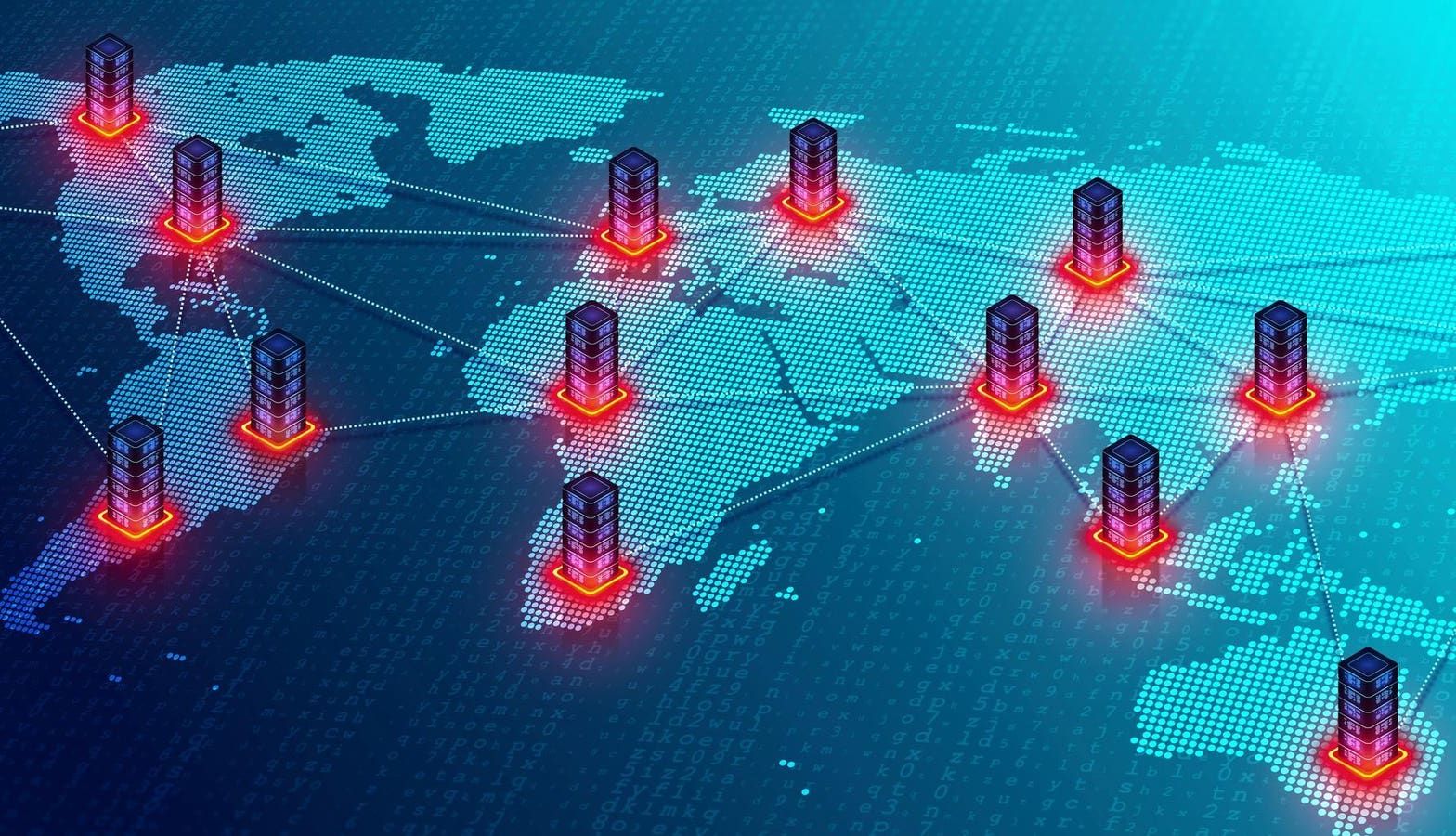
The concept of multi-edge architecture, which involves distributing traffic across multiple edge and content delivery network (CDN) providers, has been around for years. In fact, it’s a common practice among large digital platforms that require high availability, performance, and cost control at a global scale. By spreading the load across multiple networks, these organizations can plan for failure and ensure that their services remain accessible even if one network goes down.
Why Multi-Edge Architecture Wasn’t Widely Adopted
Despite its benefits, multi-edge architecture hasn’t become the default approach for most organizations. The reason isn’t that it’s a flawed concept, but rather that it’s been an operational nightmare to implement and manage. Each additional provider means another configuration model, another set of security rules, and another dashboard to monitor. This complexity can be overwhelming, making it difficult for organizations to troubleshoot incidents and ensure consistency across providers.
As a result, many organizations have opted for a simpler approach, relying on a single provider and negotiating service level agreements (SLAs) to ensure redundancy and availability. While this approach has worked in the past, it’s becoming increasingly problematic in today’s dynamic internet landscape.
The Changing Internet Landscape
The modern internet is less forgiving than it used to be. Traffic is more dynamic, less cacheable, and increasingly personalized, making it essential to have a robust and flexible infrastructure in place. The rise of AI-driven applications has also pushed latency sensitivity to new levels, making it critical to have a multi-edge architecture that can ensure low latency and high availability.
Furthermore, the concentration of internet traffic behind a handful of control planes has created systemic dependencies, making it vulnerable to outages and performance issues. When one provider experiences a hiccup, entire regions and sometimes large portions of the internet can be affected.
Abstraction and Orchestration
So, what’s changing? The emergence of abstraction layers that treat multiple edge providers as a coordinated system is making multi-edge architecture more practical. These layers introduce neutral orchestration that handles traffic steering, policy enforcement, and observability consistently across providers. This means that operators can manage their edge infrastructure as a single virtual platform, even if multiple networks are doing the work underneath.
Abstraction doesn’t eliminate complexity, but it contains it, moving the operational burden out of application teams and into systems designed to manage it. This shift is making multi-edge architecture more accessible to organizations of all sizes, not just the largest digital platforms.
The Role of AI
AI is accelerating the transition to multi-edge architecture, whether organizations are ready or not. Inference, personalization, and real-time decisioning push compute closer to users, reducing tolerance for latency or regional failure. When AI services are tightly bound to a single edge platform, outages and performance issues can ripple instantly into user experience and productivity.
Multi-edge architectures can reduce the blast radius of outages, making it possible to reroute traffic automatically, shift workloads dynamically, and treat outages as localized events rather than global incidents. In an AI-dependent world, this distinction matters.
A New Era for Multi-Edge Architecture
The most important change is that multi-edge architecture is no longer reserved for the largest digital platforms. Abstraction and automation are lowering the barrier, allowing mid-size organizations to adopt architectures that functionally resemble what the largest platforms have used for years.
This democratization reshapes the market, weakening lock-in, creating room for regional and specialized providers, and shifting power away from any single control plane. Multi-edge architecture was never wrong; it was just inaccessible. Now that the operational burden is being addressed, the real question is whether continuing to rely on a single edge provider still makes sense.




Portable Benefits Could Fix the Gig Economy’s Biggest Problem

Ethical Reasoning Has Become a Core Workplace Skill and Training Programs Are Missing It

Stakeholder Pressure on CEOs Has Reached a Breaking Point

Identity Resilience at Work and Why It Matters More Than Grit

The Revenge of Middle Management and Why Organizations Should Pay Attention

First-Generation Professionals Face a Different Workplace and Nobody Prepares Them for It

Small Business Survival in Underserved Communities Needs More Than Microloans

Aging Populations are Reshaping Labor Markets Faster Than Policy Can Respond

How Emotional Intelligence Can Help You Manage Stress and Build Resilience

Interview with Dr. Kristy K. Taylor, WORxK Global News Magazine Founder

Sarah Herrlinger Talks AirPods Pro Hearing Aid

Unlocking Human Potential: Kim Groshek’s Journey to Transforming Leadership and Stress Resilience

NetWork Your Way to Success: Top Tips for Maximizing Your Professional Network

The Power of Belonging: Why Feeling Accepted Matters in the Workplace

Health-care stocks fall after Warren PBM bill, Brian Thompson shooting

Glenda Benevides: Creating Global Impact Through Music
-
 Resiliency1 year ago
How Emotional Intelligence Can Help You Manage Stress and Build Resilience
-
 Career Advice2 years ago
Interview with Dr. Kristy K. Taylor, WORxK Global News Magazine Founder
-
 Diversity and Inclusion (DEIA)2 years ago
Sarah Herrlinger Talks AirPods Pro Hearing Aid
-
 Changemaker Interviews2 years ago
Unlocking Human Potential: Kim Groshek’s Journey to Transforming Leadership and Stress Resilience
-
 Career Advice2 years ago
NetWork Your Way to Success: Top Tips for Maximizing Your Professional Network
-
 Diversity and Inclusion (DEIA)2 years ago
The Power of Belonging: Why Feeling Accepted Matters in the Workplace
-
 Global Trends and Politics2 years ago
Health-care stocks fall after Warren PBM bill, Brian Thompson shooting
-
 Changemaker Interviews2 years ago
Glenda Benevides: Creating Global Impact Through Music