
Innovation and Technology
How To Save Microsoft Copilot

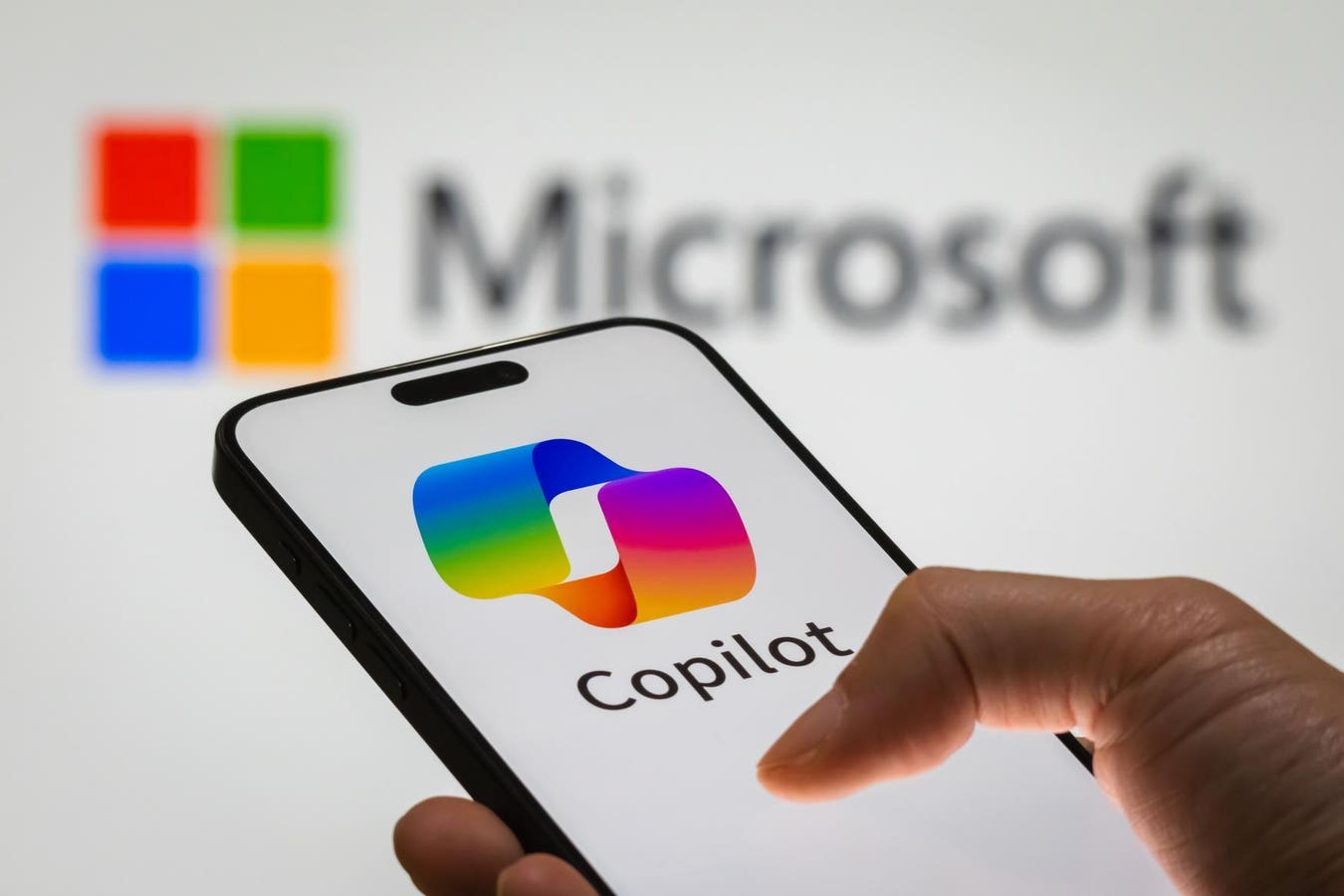
Microsoft’s flagship AI offering, Copilot, is struggling to keep up with the competition, holding only 1.1% of the web AI market share. This decline from 1.5% over the past year is a cause for concern, especially when smaller AI tools like Grok, Claude, and Perplexity have gained more significant market shares. The company’s sales targets for its agentic AI software have also been cut, with some targets slashed by up to 50%, due to a lack of interest from potential buyers.
Understanding the Problem
Users have expressed their dissatisfaction with Copilot, citing its inability to perform simple tasks. For instance, one user commented that it “fails miserably” at basic functions, while another jokingly suggested renaming it “Clippy,” a reference to the infamous Microsoft Office assistant. Despite these criticisms, Microsoft remains committed to its AI investment, with over 400 million users of Microsoft 365 potentially being exposed to Copilot.
However, to truly make Copilot stand out, Microsoft needs to focus on addressing a fundamental issue: fixing Windows. As the operating system with over 1.5 billion devices worldwide, Windows is the backbone of Microsoft’s ecosystem. Yet, users and IT teams have been struggling with the same problems since its inception in 1985, including disk space management, memory usage, and startup application optimization.
Copilot and Windows: A Potential Solution
By integrating Copilot with Windows, Microsoft can create a game-changing AI assistant that can launch agents on command to diagnose and fix problems, essentially acting as a virtual IT specialist. This would enable users to prompt Copilot to perform tasks such as adding applications to the toolbar, renaming devices, or installing printer drivers. By doing so, Copilot can save users time and reduce the need for IT involvement, ultimately increasing productivity and efficiency.
Currently, Copilot is marketed as a built-in AI assistant in Windows 11, but it falls short of expectations. Instead of just providing step-by-step instructions or help with Windows settings, Copilot should be able to execute tasks directly. This would differentiate it from competitors like ChatGPT and Google’s Gemini, which primarily focus on enhancing emails, designing presentations, and reviewing documents.
A Path Forward for Copilot
To rescue Copilot, Microsoft should prioritize building its capability to interact with Windows and perform tasks that users need. This could include enabling Copilot to check for malware, suspend suspicious applications, rollback Windows updates, or recover files. By doing so, Microsoft can create a unique selling point for Copilot and increase its adoption rate. While this may be a complex task, it is essential for Microsoft to differentiate its AI assistant and provide real value to its users.
Ultimately, the success of Copilot depends on its ability to address the needs of Windows users and provide a seamless, efficient experience. By focusing on this critical aspect, Microsoft can revitalize its AI offering and make it a leader in the market. With the right approach, Copilot can become an indispensable tool for users, saving them time and increasing productivity, and cementing Microsoft’s position as a pioneer in the AI industry.




Portable Benefits Could Fix the Gig Economy’s Biggest Problem

Ethical Reasoning Has Become a Core Workplace Skill and Training Programs Are Missing It

Stakeholder Pressure on CEOs Has Reached a Breaking Point

Identity Resilience at Work and Why It Matters More Than Grit

The Revenge of Middle Management and Why Organizations Should Pay Attention

First-Generation Professionals Face a Different Workplace and Nobody Prepares Them for It

Small Business Survival in Underserved Communities Needs More Than Microloans

Aging Populations are Reshaping Labor Markets Faster Than Policy Can Respond

How Emotional Intelligence Can Help You Manage Stress and Build Resilience

Interview with Dr. Kristy K. Taylor, WORxK Global News Magazine Founder

Sarah Herrlinger Talks AirPods Pro Hearing Aid

Unlocking Human Potential: Kim Groshek’s Journey to Transforming Leadership and Stress Resilience

NetWork Your Way to Success: Top Tips for Maximizing Your Professional Network

The Power of Belonging: Why Feeling Accepted Matters in the Workplace

Health-care stocks fall after Warren PBM bill, Brian Thompson shooting

Glenda Benevides: Creating Global Impact Through Music
-
 Resiliency1 year ago
How Emotional Intelligence Can Help You Manage Stress and Build Resilience
-
 Career Advice2 years ago
Interview with Dr. Kristy K. Taylor, WORxK Global News Magazine Founder
-
 Diversity and Inclusion (DEIA)2 years ago
Sarah Herrlinger Talks AirPods Pro Hearing Aid
-
 Changemaker Interviews2 years ago
Unlocking Human Potential: Kim Groshek’s Journey to Transforming Leadership and Stress Resilience
-
 Career Advice2 years ago
NetWork Your Way to Success: Top Tips for Maximizing Your Professional Network
-
 Diversity and Inclusion (DEIA)2 years ago
The Power of Belonging: Why Feeling Accepted Matters in the Workplace
-
 Global Trends and Politics2 years ago
Health-care stocks fall after Warren PBM bill, Brian Thompson shooting
-
 Changemaker Interviews2 years ago
Glenda Benevides: Creating Global Impact Through Music