
Innovation and Technology
How Data And Automation Are Redefining Real Estate Investing

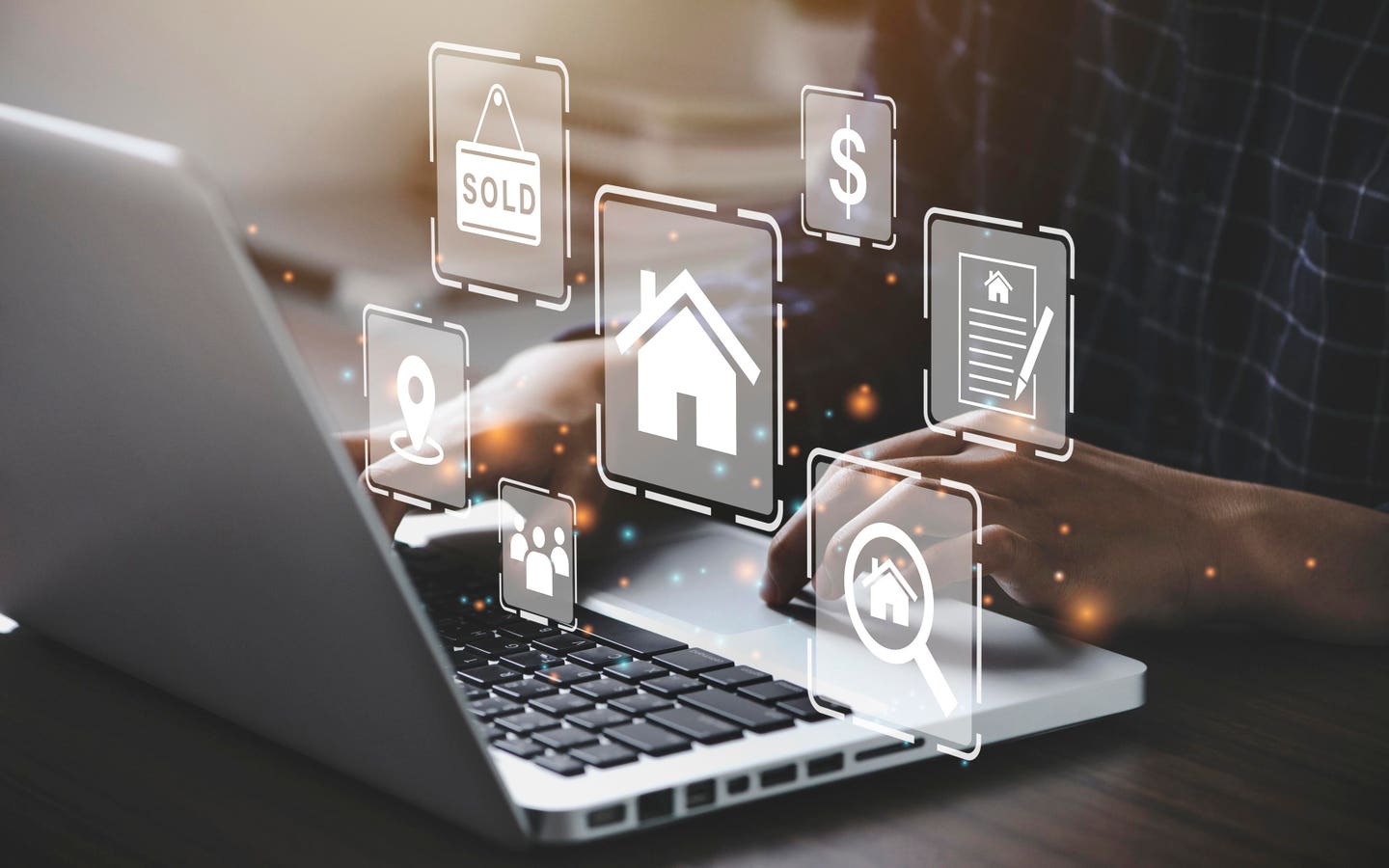
The real estate investing landscape is undergoing a significant transformation, driven by the increasing use of data, automation, and remote execution. For decades, the industry was defined by proximity, with investors typically buying and managing properties in their local area. However, with the advent of advanced analytics platforms, virtual assessments, and software-driven workflows, investors can now source opportunities across the country and manage their portfolios remotely.
This shift towards a remote-first investment ecosystem has far-reaching implications, extending beyond convenience and accessibility. It is expanding access to new markets, compressing timelines, and redefining the role of judgment in the investment process. As Ed Stock, founder of Insula Capital Group, notes, “Technology makes it easier to get into real estate than it’s ever been, but it doesn’t make the business itself any less complex.” In fact, the increased speed and scalability of remote-first investing raise the stakes, making it more critical for investors to act with confidence and make informed decisions.
The Evolution of Real Estate Investing
The traditional model of real estate investing, where proximity and local knowledge were key, is no longer the only way to succeed. Today, investors can leverage data analytics, automation, and remote execution to identify opportunities, evaluate properties, and manage their portfolios. This shift has lowered the barrier to entry, enabling first-time investors to participate in the market and assemble remote teams without deep local networks. However, it’s essential to distinguish between accessibility and simplicity, as the complexity of the business remains unchanged.
As Stock emphasizes, “Bad data doesn’t just slow you down – it gives you false confidence, which is far more dangerous.” Therefore, investors must prioritize data quality and interpretation, stress-testing assumptions, and validating inputs to ensure informed decision-making. The most effective investors will be those who combine technology with discipline, using data to accelerate insight while maintaining a deep understanding of the underlying business.
Data-Driven Decision Making
In a remote-first environment, data replaces proximity as the primary source of confidence. Pricing models, rent forecasts, renovation estimates, and exit strategies are increasingly driven by layered datasets rather than personal familiarity with a neighborhood. This shift puts enormous pressure on data quality and interpretation, making it crucial for investors to prioritize data accuracy and validation.
As the real estate industry continues to evolve, the role of data will become even more critical. Investors who can effectively leverage data analytics, machine learning, and automation will be better equipped to navigate the complexities of the market and make informed decisions. However, it’s essential to remember that technology is not a replacement for human judgment and expertise, but rather a tool to augment and support decision-making.
Financing in a Remote-First World
The financing process is one area where the tension between speed and discipline is particularly visible. Traditional lending processes, designed for a slower, localized market, are being disrupted by private lenders who have adopted data analytics, automation, and faster execution models. The best lenders treat speed as infrastructure, rather than a marketing claim, and prioritize disciplined underwriting to ensure that speed is backed by experience and process.
As Stock notes, “Speed matters, but only if it’s backed by experience and process.” This distinction is critical, as automation without structure creates fragility, while automation with disciplined underwriting creates leverage. Investors must prioritize lenders who can provide both speed and discipline, ensuring that financing is both efficient and reliable.
The Impact of Automation on Investor Behavior
One of the most underestimated impacts of automation is how it reshapes investor behavior. When investors know they can source, evaluate, and finance deals remotely, portfolios expand geographically, deal volume increases, and tolerance for operational friction decreases. Automation encourages more activity, making safeguards essential to mitigate the risks associated with increased speed and scalability.
As Stock emphasizes, “The biggest risk isn’t moving fast – it’s moving fast without guardrails. Growth exposes every weakness in your process.” Therefore, investors must prioritize intentional guardrails, such as automated workflows with escalation paths, models with human oversight, and speed paired with accountability. By doing so, they can ensure that automation supports sustainable growth and informed decision-making.
Redefined Judgment and Risk in Remote-First Investing
Real estate will never be fully software-defined, as physical assets impose real-world constraints. However, the center of gravity has shifted, and the most successful investors will be those who understand that remote-first doesn’t mean detached. Instead, it means redefining where judgment lives and how risk is surfaced earlier in the process.
Over the next decade, the real estate industry will continue to evolve, driven by advances in data analytics, automation, and remote execution. Investors who can adapt to this new landscape, prioritizing discipline, data quality, and intentional guardrails, will be best positioned for success. By combining technology with human expertise and judgment, investors can turn speed into sustainable advantage and thrive in a remote-first world.




Portable Benefits Could Fix the Gig Economy’s Biggest Problem

Ethical Reasoning Has Become a Core Workplace Skill and Training Programs Are Missing It

Stakeholder Pressure on CEOs Has Reached a Breaking Point

Identity Resilience at Work and Why It Matters More Than Grit

The Revenge of Middle Management and Why Organizations Should Pay Attention

First-Generation Professionals Face a Different Workplace and Nobody Prepares Them for It

Small Business Survival in Underserved Communities Needs More Than Microloans

Aging Populations are Reshaping Labor Markets Faster Than Policy Can Respond

How Emotional Intelligence Can Help You Manage Stress and Build Resilience

Interview with Dr. Kristy K. Taylor, WORxK Global News Magazine Founder

Sarah Herrlinger Talks AirPods Pro Hearing Aid

Unlocking Human Potential: Kim Groshek’s Journey to Transforming Leadership and Stress Resilience

NetWork Your Way to Success: Top Tips for Maximizing Your Professional Network

The Power of Belonging: Why Feeling Accepted Matters in the Workplace

Health-care stocks fall after Warren PBM bill, Brian Thompson shooting

Glenda Benevides: Creating Global Impact Through Music
-
 Resiliency1 year ago
How Emotional Intelligence Can Help You Manage Stress and Build Resilience
-
 Career Advice2 years ago
Interview with Dr. Kristy K. Taylor, WORxK Global News Magazine Founder
-
 Diversity and Inclusion (DEIA)2 years ago
Sarah Herrlinger Talks AirPods Pro Hearing Aid
-
 Changemaker Interviews2 years ago
Unlocking Human Potential: Kim Groshek’s Journey to Transforming Leadership and Stress Resilience
-
 Career Advice2 years ago
NetWork Your Way to Success: Top Tips for Maximizing Your Professional Network
-
 Diversity and Inclusion (DEIA)2 years ago
The Power of Belonging: Why Feeling Accepted Matters in the Workplace
-
 Global Trends and Politics2 years ago
Health-care stocks fall after Warren PBM bill, Brian Thompson shooting
-
 Changemaker Interviews2 years ago
Glenda Benevides: Creating Global Impact Through Music