
Innovation and Technology
When Hotel Technology Works, You Don’t Notice It

The concept of luxury in modern hotels has undergone a significant shift. While lavish amenities and opulent decor were once the epitome of high-end hospitality, today’s travelers prioritize a different kind of luxury: seamless, intuitive technology that fades into the background. This subtle yet powerful approach to hotel design acknowledges that, for many guests, the line between work and leisure has become increasingly blurred.
Power and Placement: The Unsung Heroes of Hotel Design
Adequate power supply is no longer a nicety, but a necessity. However, simply providing power outlets is not enough; their placement is equally crucial. Travelers often arrive with multiple devices, each requiring charging, and hotels must adapt to this reality. Rather than attempting to predict the next big thing in charging technology, hotels should focus on providing flexible, easily accessible power solutions that cater to guests’ existing devices.
This might involve incorporating standard outlets, power strips, and universal sockets, as well as thoughtful placement of wireless charging stations. By doing so, hotels can empower guests to use their devices without unnecessary workarounds or compromises, effectively rendering power concerns invisible. When power is effortless and adaptable, it ceases to be a point of concern, allowing guests to focus on their stay.
Wi-Fi: The Backbone of the Hotel Experience
Fast, reliable Wi-Fi is the foundation upon which a hotel’s entire experience is built. It’s the first thing many guests look for when checking in, and its absence or poor performance can be a major letdown. In today’s digital age, Wi-Fi is not an amenity, but an essential service that underpins every aspect of a guest’s stay, from work and communication to entertainment and relaxation.
Hotels that understand this prioritize Wi-Fi, ensuring that it’s not only fast and reliable but also easy to access. Captive portals, which can be frustrating and time-consuming, are a thing of the past. Instead, hotels should strive for seamless, password-free connectivity that simply works, without requiring guests to jump through hoops or compromise their device’s security.
The Evolution of the Hotel Room: From Decorative to Functional
A hotel room is no longer just a place to sleep; it’s a workspace, a retreat, and a hub for exploration. As such, the traditional decorative desk and chair are giving way to more functional, ergonomic designs that cater to the needs of modern travelers. A desk that works like a desk, with ample space, light, and power, is no longer a premium feature, but a fundamental aspect of the hotel experience.
Lighting, too, plays a critical role in creating a comfortable and productive environment. Task lighting, glare control, and adjustable lighting schemes can make all the difference in a guest’s ability to work, relax, or simply enjoy their surroundings. By acknowledging the diverse needs of their guests, hotels can create spaces that are at once beautiful, functional, and deeply comfortable.
Smart Controls: Finding the Right Balance
Automation and smart controls can be a double-edged sword in hotel design. On the one hand, they offer the potential for enhanced comfort, convenience, and energy efficiency. On the other hand, they can be confusing, frustrating, or even alienating if not implemented thoughtfully. The key to successful smart controls lies in finding the right balance between automation and manual override.
Guests should be able to adjust lighting, temperature, and other settings with ease, using intuitive interfaces that don’t require a Ph.D. in engineering. Physical switches and clear labels still matter, as they provide a sense of control and agency that is essential to a comfortable stay. By striking the right balance between automation and manual control, hotels can create an environment that is at once high-tech and deeply human.
Sustainability: The Invisible Advantage
Sustainability is no longer a niche concern, but a fundamental aspect of hotel design. Energy efficiency, water conservation, and waste reduction are essential not only for the environment but also for the well-being of guests. However, sustainability should not come at the cost of comfort or convenience.
Hotels can achieve a seamless balance between sustainability and guest experience by incorporating smart sensors, motion-based climate control, and other energy-efficient systems that operate quietly in the background. By doing so, they can reduce their environmental footprint without asking guests to compromise on comfort or convenience. The goal is to create a sustainable experience that is invisible, yet palpable, in its benefits.
Removing Friction: The Key to a Seamless Hotel Experience
The hotel experience begins long before guests arrive at the front desk. From check-in to checkout, every touchpoint offers an opportunity to reduce friction, streamline processes, and create a sense of effortless convenience. Mobile keys, kiosks, and mobile-first check-in are not futuristic gimmicks, but practical solutions that save time and reduce stress.
By leveraging technology to minimize unnecessary interactions, hotels can create a sense of flow that permeates every aspect of the guest experience. This might involve streamlining payment processes, simplifying policies, or providing easy access to human support when needed. The goal is to create an environment that is at once efficient, intuitive, and deeply human.
A Case Study in Practical Design: Yotel New York Times Square
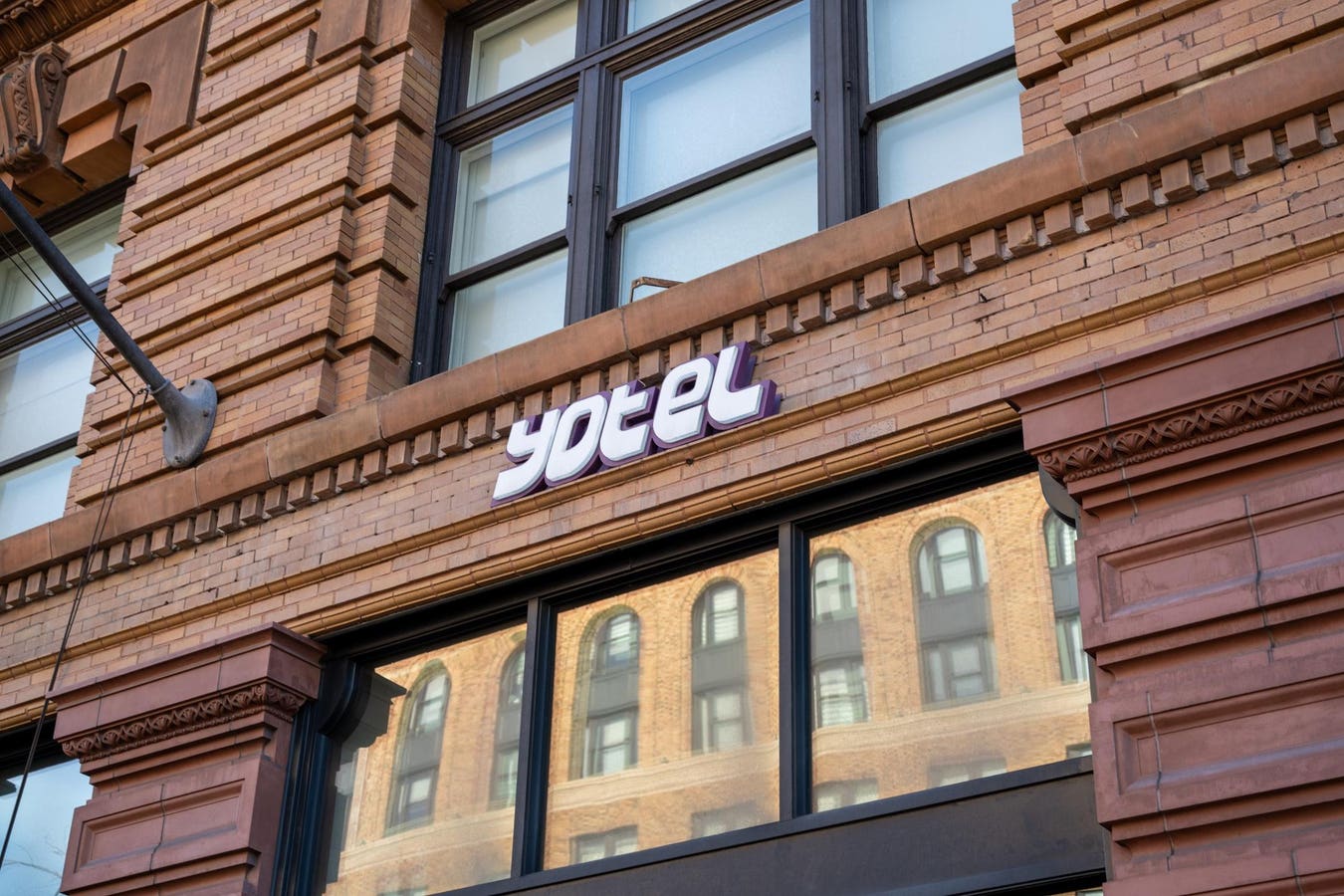
Yotel New York Times Square offers a compelling example of how technology can be designed around real guest behavior, rather than novelty or gimmickry. From self-service kiosks and mobile-first check-in to adjustable beds and practical lighting controls, every aspect of the hotel’s design is focused on creating a seamless, intuitive experience.
The hotel’s robotic luggage system, Yobot, is a prime example of this approach. By solving a real problem – secure, convenient luggage storage – Yobot has become a beloved feature among guests. As Jorge Tito, the hotel’s manager, notes, “It’s probably the most visible feature we have, but it’s also the most practical.” This focus on practicality, rather than mere novelty, is a hallmark of Yotel’s design philosophy.
The Quiet Advantage: How Hotels Can Create a Competitive Edge
In a world where technology is increasingly ubiquitous, the most tech-forward hotels may not be those that flaunt their gadgets and gizmos, but those that create a sense of calm, effortless convenience. By prioritizing seamless, intuitive design, hotels can create an environment that feels deeply comfortable, yet unobtrusively high-tech.
This quiet advantage is the key to creating a competitive edge in the hospitality industry. By focusing on the needs of modern travelers, rather than merely showcasing the latest technology, hotels can create an experience that is at once luxurious, sustainable, and deeply human. As the boundaries between work and leisure continue to blur, hotels that prioritize seamless, intuitive design will be those that thrive in an increasingly competitive market.




Portable Benefits Could Fix the Gig Economy’s Biggest Problem

Ethical Reasoning Has Become a Core Workplace Skill and Training Programs Are Missing It

Stakeholder Pressure on CEOs Has Reached a Breaking Point

Identity Resilience at Work and Why It Matters More Than Grit

The Revenge of Middle Management and Why Organizations Should Pay Attention

First-Generation Professionals Face a Different Workplace and Nobody Prepares Them for It

Small Business Survival in Underserved Communities Needs More Than Microloans

Aging Populations are Reshaping Labor Markets Faster Than Policy Can Respond

How Emotional Intelligence Can Help You Manage Stress and Build Resilience

Interview with Dr. Kristy K. Taylor, WORxK Global News Magazine Founder

Sarah Herrlinger Talks AirPods Pro Hearing Aid

Unlocking Human Potential: Kim Groshek’s Journey to Transforming Leadership and Stress Resilience

NetWork Your Way to Success: Top Tips for Maximizing Your Professional Network

The Power of Belonging: Why Feeling Accepted Matters in the Workplace

Health-care stocks fall after Warren PBM bill, Brian Thompson shooting

Glenda Benevides: Creating Global Impact Through Music
-
 Resiliency1 year ago
How Emotional Intelligence Can Help You Manage Stress and Build Resilience
-
 Career Advice2 years ago
Interview with Dr. Kristy K. Taylor, WORxK Global News Magazine Founder
-
 Diversity and Inclusion (DEIA)2 years ago
Sarah Herrlinger Talks AirPods Pro Hearing Aid
-
 Changemaker Interviews2 years ago
Unlocking Human Potential: Kim Groshek’s Journey to Transforming Leadership and Stress Resilience
-
 Career Advice2 years ago
NetWork Your Way to Success: Top Tips for Maximizing Your Professional Network
-
 Diversity and Inclusion (DEIA)2 years ago
The Power of Belonging: Why Feeling Accepted Matters in the Workplace
-
 Global Trends and Politics2 years ago
Health-care stocks fall after Warren PBM bill, Brian Thompson shooting
-
 Changemaker Interviews2 years ago
Glenda Benevides: Creating Global Impact Through Music