
Innovation and Technology
The Window Of Exposure Is The Real Cybersecurity Problem

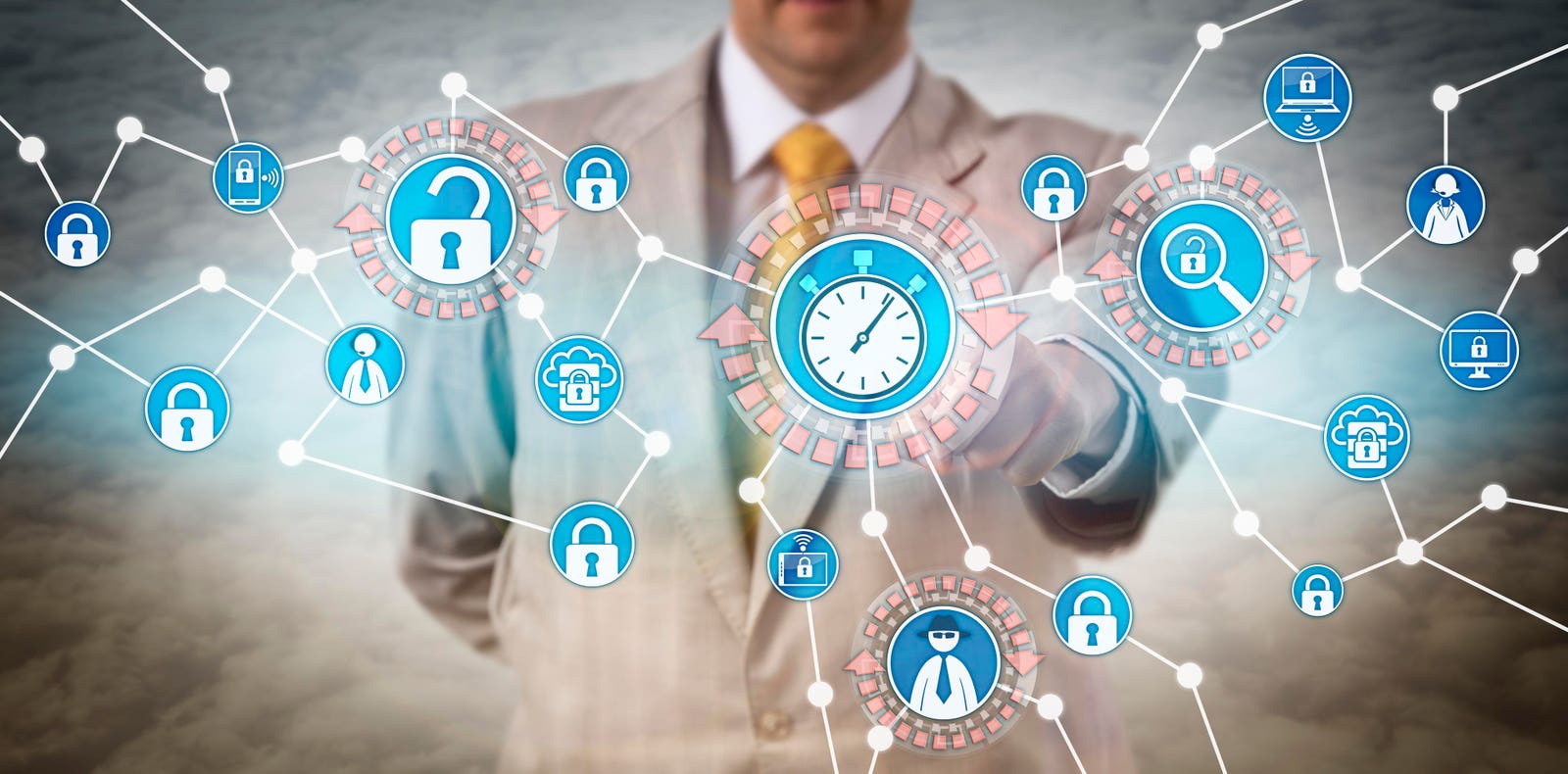
Cybersecurity has a timing problem that’s allowing attackers to gain the upper hand. Despite significant advancements in detection, response, and recovery, digital impersonation, phishing, and account takeover attacks continue to rise. The uncomfortable truth is that most defenses still activate too late, leaving a window of exposure that attackers are exploiting with devastating effectiveness.
The Window of Exposure
This gap between attack activity and defensive response is the real vulnerability. It’s the period during which attackers operate with impunity, often using machine speed to outmaneuver their targets. By the time a fake website is taken down or abnormal login behavior triggers an alert, the damage has already been done. The industry has become very good at cleaning up crime scenes, but far less effective at stopping the robbery while it’s happening.
Attackers have adapted to improved perimeter defenses by shifting their focus toward manipulating people outside the organizational boundary. Phishing kits, AI-generated content, and one-click website cloning have turned impersonation into a scalable business model. Convincing fake sites can be created in minutes, and scam campaigns can reach thousands of victims before most organizations even know they exist.
Changing the Game
Traditional brand protection tools focus on finding malicious domains and requesting takedowns, a process that often takes days or weeks. Meanwhile, the harm happens in hours. Post-login fraud detection tools face a similar limitation, relying on signals that appear only after credentials are entered or accounts are accessed. By definition, they respond after the attacker has already succeeded.
This issue is not a lack of effort or investment, but a mismatch between how attacks unfold and when defenses engage. The real battle isn’t detection or cleanup; it’s closing the window of exposure before trust is lost. Security teams must move earlier in the attack timeline to prevent credential theft, identify victims while they’re interacting with fake sites, and reduce fraud losses.
Visibility and Intervention
One of the most revealing indicators of the problem is how organizations discover impersonation attacks in the first place. In many cases, it’s not through internal detection, but through customer complaints, call center reports, or social media posts. That’s not early warning; it’s post-incident awareness.
Without real-time insight into who is being targeted, how scams are unfolding, and which users are at risk, security and fraud teams are forced into reactive mode. Investigations become manual, correlation takes time, and decisions are made with incomplete information. By the time action is taken, the blast radius has already grown.
Redefining Success
Security progress is often framed as better detection or faster response. When it comes to impersonation and scams, neither is enough. What matters is intervention during the attack timeline. Preventing credential theft produces a fundamentally different outcome than blocking a fraudulent login later.
Identifying a victim while they’re interacting with a fake site is far more effective than reimbursing them afterward. Reducing fraud losses is important, but preventing erosion of trust is critical. This reframes how success should be measured, focusing on shrinking the window of exposure to near zero and treating attacks as dynamic processes rather than static artifacts.
A New Approach
A new class of approaches is emerging that focuses on detecting and disrupting impersonation while it’s actively unfolding, rather than relying solely on takedowns or post-login analytics. These efforts aim to surface victim-level insight during the scam phase itself, when intervention still changes outcomes.
Regulators are reinforcing the same message, with mandatory reimbursement rules for scam victims and increased scrutiny on scam-driven fraud and consumer protection. Organizations must demonstrate proactive control over scam risk, and reactive defenses are no longer sufficient.
Digital Trust
At its core, this is not just a fraud problem; it’s a trust problem. Customers do not distinguish between a fake site and a real one if the experience feels authentic. They remember whether the brand protected them or failed them. Digital trust is preserved in moments that never show up in breach reports, and it’s lost fastest when customers discover attacks before organizations do.
The future of cybersecurity should not be defined by who responds fastest after the breach. It should be defined by who closes the window of exposure before damage occurs. By prioritizing early intervention and real-time protection, organizations can redefine digital trust and stay one step ahead of attackers.




Portable Benefits Could Fix the Gig Economy’s Biggest Problem

Ethical Reasoning Has Become a Core Workplace Skill and Training Programs Are Missing It

Stakeholder Pressure on CEOs Has Reached a Breaking Point

Identity Resilience at Work and Why It Matters More Than Grit

The Revenge of Middle Management and Why Organizations Should Pay Attention

First-Generation Professionals Face a Different Workplace and Nobody Prepares Them for It

Small Business Survival in Underserved Communities Needs More Than Microloans

Aging Populations are Reshaping Labor Markets Faster Than Policy Can Respond

How Emotional Intelligence Can Help You Manage Stress and Build Resilience

Interview with Dr. Kristy K. Taylor, WORxK Global News Magazine Founder

Sarah Herrlinger Talks AirPods Pro Hearing Aid

Unlocking Human Potential: Kim Groshek’s Journey to Transforming Leadership and Stress Resilience

NetWork Your Way to Success: Top Tips for Maximizing Your Professional Network

The Power of Belonging: Why Feeling Accepted Matters in the Workplace

Health-care stocks fall after Warren PBM bill, Brian Thompson shooting

Glenda Benevides: Creating Global Impact Through Music
-
 Resiliency1 year ago
How Emotional Intelligence Can Help You Manage Stress and Build Resilience
-
 Career Advice2 years ago
Interview with Dr. Kristy K. Taylor, WORxK Global News Magazine Founder
-
 Diversity and Inclusion (DEIA)2 years ago
Sarah Herrlinger Talks AirPods Pro Hearing Aid
-
 Changemaker Interviews2 years ago
Unlocking Human Potential: Kim Groshek’s Journey to Transforming Leadership and Stress Resilience
-
 Career Advice2 years ago
NetWork Your Way to Success: Top Tips for Maximizing Your Professional Network
-
 Diversity and Inclusion (DEIA)2 years ago
The Power of Belonging: Why Feeling Accepted Matters in the Workplace
-
 Global Trends and Politics2 years ago
Health-care stocks fall after Warren PBM bill, Brian Thompson shooting
-
 Changemaker Interviews2 years ago
Glenda Benevides: Creating Global Impact Through Music