
Community and Social Impact
Corporate Community Engagement and Its Impact on Workforce and Local Development

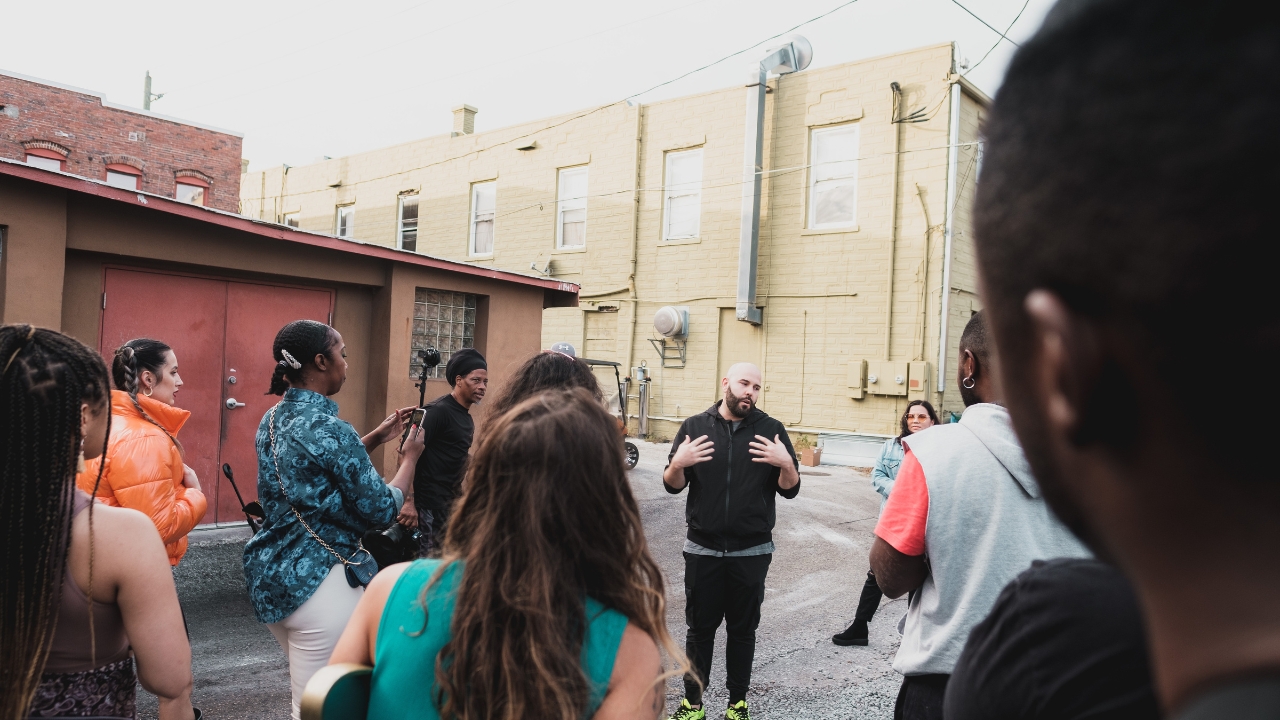
Community engagement is becoming an essential component of how organizations define their role beyond internal operations. Businesses are increasingly expected to contribute not only to economic growth but also to the well-being of the communities in which they operate. This shift reflects a broader understanding that organizational success and community stability are closely connected. When companies invest in local initiatives, workforce programs, and social partnerships, the impact extends beyond public image and contributes to sustainable development.
Local communities often serve as the primary talent pool for organizations, making community engagement a practical workforce strategy rather than solely a philanthropic effort. Partnerships with local schools, training centers, and nonprofit organizations help create accessible pathways to employment and skill development. These collaborations allow businesses to support career readiness while also addressing workforce shortages in a structured and meaningful way. By aligning community initiatives with workforce needs, organizations strengthen both their talent pipeline and their social responsibility efforts.
Employee involvement is another key driver of meaningful social impact. Volunteer programs, mentorship initiatives, and community outreach activities encourage employees to engage with local causes and organizations. This involvement fosters a stronger sense of purpose and connection, which can positively influence morale and workplace culture. Employees who see their organization actively contributing to the community often develop a deeper sense of pride and commitment to their work.
Strategic alignment is critical to ensuring that community initiatives produce lasting value. Rather than supporting disconnected projects, organizations are increasingly focusing on initiatives that align with their expertise and operational strengths. For example, companies with strong training capabilities may support workforce readiness programs, while those in technology may offer digital literacy workshops. This targeted approach ensures that community contributions are both relevant and sustainable.
Transparency and accountability also shape the effectiveness of community engagement efforts. Stakeholders—including employees, customers, and community partners—expect organizations to demonstrate genuine commitment rather than performative involvement. Clear communication about goals, initiatives, and outcomes helps build trust and reinforces credibility. Consistent engagement, rather than one-time events, signals long-term dedication to community development.
Community engagement also plays a role in organizational resilience. Strong relationships with local institutions and leaders can provide valuable support during periods of disruption, whether economic, operational, or social. These partnerships create networks of collaboration that benefit both the organization and the community, fostering mutual support and shared problem-solving.
Importantly, social impact initiatives are most effective when they are integrated into organizational strategy rather than treated as separate corporate responsibility programs. Leadership involvement, resource allocation, and measurable objectives ensure that community engagement remains a priority. When embedded into the organizational framework, these initiatives contribute to both social progress and operational stability.
Community and social impact efforts are no longer peripheral activities; they are strategic investments that influence workforce development, organizational reputation, and long-term sustainability. By fostering authentic partnerships, encouraging employee participation, and aligning initiatives with core competencies, organizations can create meaningful contributions that support both community growth and organizational success.


Portable Benefits Could Fix the Gig Economy’s Biggest Problem

Ethical Reasoning Has Become a Core Workplace Skill and Training Programs Are Missing It

Stakeholder Pressure on CEOs Has Reached a Breaking Point

Identity Resilience at Work and Why It Matters More Than Grit

The Revenge of Middle Management and Why Organizations Should Pay Attention

First-Generation Professionals Face a Different Workplace and Nobody Prepares Them for It

Small Business Survival in Underserved Communities Needs More Than Microloans

Aging Populations are Reshaping Labor Markets Faster Than Policy Can Respond

How Emotional Intelligence Can Help You Manage Stress and Build Resilience

Interview with Dr. Kristy K. Taylor, WORxK Global News Magazine Founder

Sarah Herrlinger Talks AirPods Pro Hearing Aid

Unlocking Human Potential: Kim Groshek’s Journey to Transforming Leadership and Stress Resilience

NetWork Your Way to Success: Top Tips for Maximizing Your Professional Network

The Power of Belonging: Why Feeling Accepted Matters in the Workplace

Health-care stocks fall after Warren PBM bill, Brian Thompson shooting

Glenda Benevides: Creating Global Impact Through Music
-
 Resiliency1 year ago
How Emotional Intelligence Can Help You Manage Stress and Build Resilience
-
 Career Advice2 years ago
Interview with Dr. Kristy K. Taylor, WORxK Global News Magazine Founder
-
 Diversity and Inclusion (DEIA)2 years ago
Sarah Herrlinger Talks AirPods Pro Hearing Aid
-
 Changemaker Interviews2 years ago
Unlocking Human Potential: Kim Groshek’s Journey to Transforming Leadership and Stress Resilience
-
 Career Advice2 years ago
NetWork Your Way to Success: Top Tips for Maximizing Your Professional Network
-
 Diversity and Inclusion (DEIA)2 years ago
The Power of Belonging: Why Feeling Accepted Matters in the Workplace
-
 Global Trends and Politics2 years ago
Health-care stocks fall after Warren PBM bill, Brian Thompson shooting
-
 Changemaker Interviews2 years ago
Glenda Benevides: Creating Global Impact Through Music