
Innovation and Technology
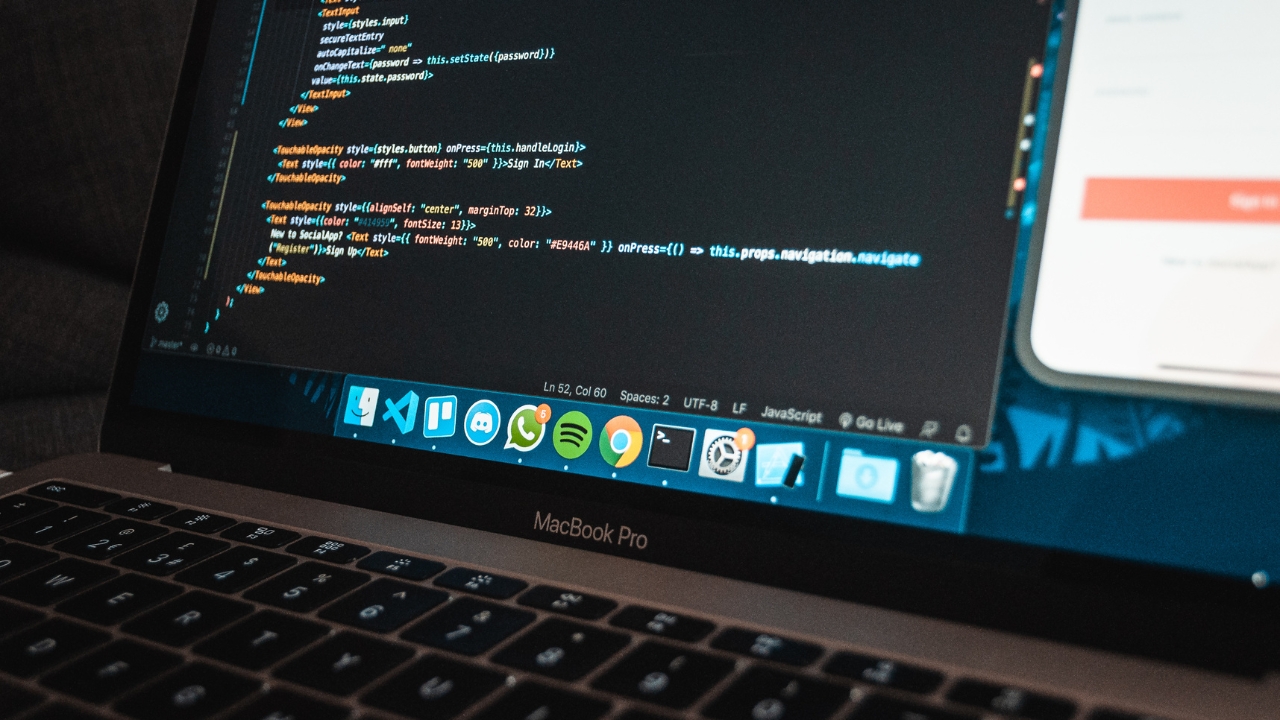
Digital Workflow Automation and Its Impact on Workplace Efficiency and Decision-Making



Workforce Development5 months ago
Portable Benefits Could Fix the Gig Economy’s Biggest Problem

Training and Development5 months ago
Ethical Reasoning Has Become a Core Workplace Skill and Training Programs Are Missing It

Strategic Leadership5 months ago
Stakeholder Pressure on CEOs Has Reached a Breaking Point

Resiliency5 months ago
Identity Resilience at Work and Why It Matters More Than Grit

Organizational Culture5 months ago
The Revenge of Middle Management and Why Organizations Should Pay Attention

Diversity and Inclusion (DEIA)5 months ago
First-Generation Professionals Face a Different Workplace and Nobody Prepares Them for It

Community and Social Impact5 months ago
Small Business Survival in Underserved Communities Needs More Than Microloans

Global Trends and Politics5 months ago
Aging Populations are Reshaping Labor Markets Faster Than Policy Can Respond

Resiliency1 year ago
How Emotional Intelligence Can Help You Manage Stress and Build Resilience

Career Advice2 years ago
Interview with Dr. Kristy K. Taylor, WORxK Global News Magazine Founder

Diversity and Inclusion (DEIA)2 years ago
Sarah Herrlinger Talks AirPods Pro Hearing Aid

Changemaker Interviews2 years ago
Unlocking Human Potential: Kim Groshek’s Journey to Transforming Leadership and Stress Resilience

Career Advice2 years ago
NetWork Your Way to Success: Top Tips for Maximizing Your Professional Network

Diversity and Inclusion (DEIA)2 years ago
The Power of Belonging: Why Feeling Accepted Matters in the Workplace

Global Trends and Politics2 years ago
Health-care stocks fall after Warren PBM bill, Brian Thompson shooting

Changemaker Interviews2 years ago
Glenda Benevides: Creating Global Impact Through Music
-
 Resiliency1 year ago
How Emotional Intelligence Can Help You Manage Stress and Build Resilience
-
 Career Advice2 years ago
Interview with Dr. Kristy K. Taylor, WORxK Global News Magazine Founder
-
 Diversity and Inclusion (DEIA)2 years ago
Sarah Herrlinger Talks AirPods Pro Hearing Aid
-
 Changemaker Interviews2 years ago
Unlocking Human Potential: Kim Groshek’s Journey to Transforming Leadership and Stress Resilience
-
 Career Advice2 years ago
NetWork Your Way to Success: Top Tips for Maximizing Your Professional Network
-
 Diversity and Inclusion (DEIA)2 years ago
The Power of Belonging: Why Feeling Accepted Matters in the Workplace
-
 Global Trends and Politics2 years ago
Health-care stocks fall after Warren PBM bill, Brian Thompson shooting
-
 Changemaker Interviews2 years ago
Glenda Benevides: Creating Global Impact Through Music