
Workforce Development
The Rise of the Digital Workforce: How Automation is Redefining the Job Market

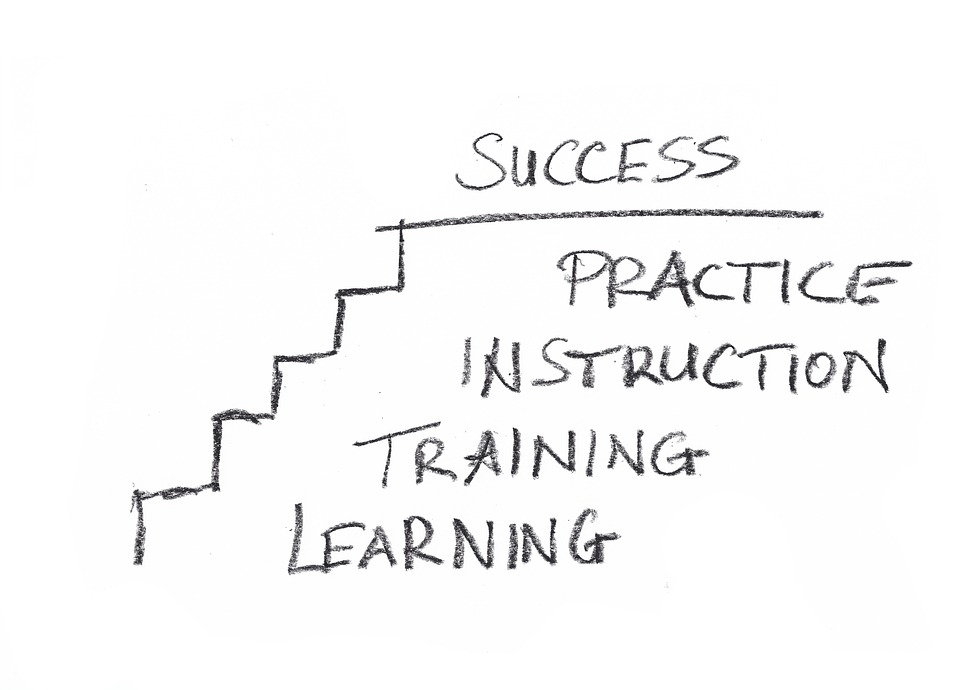
As the world becomes increasingly digital, the workforce is undergoing a significant transformation. With the rise of automation, many jobs are being replaced by machines, and the way we work is changing forever. In this article, we’ll explore the trends shaping the future of work and what it means for employees, employers, and the economy as a whole.
The Rise of Automation
Automation has been a growing trend in recent years, with advancements in artificial intelligence (AI), machine learning, and robotics enabling companies to streamline processes and reduce labor costs. According to a report by McKinsey, up to 75% of all jobs could be automated by 2030. This means that millions of workers will need to adapt to new roles or find alternative ways to make a living.
The Impact on Jobs
While some jobs will be replaced, many new ones will emerge that we can’t even imagine yet. The key is to be prepared and to develop skills that are in demand. For example, the demand for data scientists and analysts is expected to grow, as companies need experts to interpret the vast amounts of data generated by automation.
The Shift to a Knowledge Economy
The rise of automation is also driving a shift towards a knowledge economy. As machines and software take over routine and repetitive tasks, humans will need to focus on high-value tasks that require creativity, problem-solving, and critical thinking. This means that workers will need to develop skills that are difficult to automate, such as empathy, emotional intelligence, and complex problem-solving.
New Job Types and Industries
New job types and industries will emerge as a result of automation. For example, the rise of the gig economy has created new opportunities for freelancers and independent workers. Other industries, such as healthcare and education, will see significant changes as well. For instance, virtual reality and artificial intelligence are already being used in healthcare to train medical professionals and treat patients.
The Role of Education and Training
Educators and policymakers must work together to prepare students for the changing job market. This means incorporating skills like coding, data analysis, and digital literacy into curricula, as well as providing training programs for workers who are displaced by automation. Governments can also play a critical role by investing in infrastructure, social services, and retraining programs.
The Need for Continuous Learning
The rise of automation means that workers will need to continuously update their skills to remain competitive. This requires a mindset shift towards lifelong learning, with a focus on continuous professional development and upskilling. Companies can also play a crucial role by providing training and development opportunities for their employees.
The Impact on Businesses
Businesses will need to adapt to the changing job market by investing in automation, retraining their employees, and rethinking their business models. This may involve reducing costs, improving efficiency, and finding new revenue streams. Companies that fail to adapt may struggle to remain competitive and may even face extinction.
The Role of Leadership
Effective leadership will be crucial in the age of automation. Leaders will need to inspire and motivate their teams, provide them with the necessary training and resources, and create a culture of continuous learning and improvement. They will also need to be prepared to make tough decisions about staffing and restructuring as a result of automation.
Conclusion
The rise of the digital workforce is a significant challenge and an opportunity. As we move forward, it’s essential to prioritize education, training, and lifelong learning. By doing so, we can ensure that workers are prepared for the changing job market and that businesses can thrive in a rapidly evolving world. The future of work is uncertain, but with the right mindset and strategies, we can create a brighter future for all.
FAQs
What are the most in-demand skills for the future job market?
According to various reports, the most in-demand skills for the future job market include data science, artificial intelligence, cloud computing, cybersecurity, and digital marketing.
How can workers prepare for the changing job market?
Workers can prepare for the changing job market by developing skills that are difficult to automate, such as critical thinking, problem-solving, and creativity. They should also be open to continuous learning and upskilling, and be prepared to adapt to new roles and industries.
What is the role of education in preparing students for the future job market?
Educators and policymakers must work together to incorporate skills like coding, data analysis, and digital literacy into curricula, as well as provide training programs for workers who are displaced by automation. This will help students develop the skills needed to succeed in the changing job market.
How can businesses adapt to the changing job market?
Businesses can adapt to the changing job market by investing in automation, retraining their employees, and rethinking their business models. They may also need to reduce costs, improve efficiency, and find new revenue streams to remain competitive.


Portable Benefits Could Fix the Gig Economy’s Biggest Problem

Ethical Reasoning Has Become a Core Workplace Skill and Training Programs Are Missing It

Stakeholder Pressure on CEOs Has Reached a Breaking Point

Identity Resilience at Work and Why It Matters More Than Grit

The Revenge of Middle Management and Why Organizations Should Pay Attention

First-Generation Professionals Face a Different Workplace and Nobody Prepares Them for It

Small Business Survival in Underserved Communities Needs More Than Microloans

Aging Populations are Reshaping Labor Markets Faster Than Policy Can Respond

How Emotional Intelligence Can Help You Manage Stress and Build Resilience

Interview with Dr. Kristy K. Taylor, WORxK Global News Magazine Founder

Sarah Herrlinger Talks AirPods Pro Hearing Aid

Unlocking Human Potential: Kim Groshek’s Journey to Transforming Leadership and Stress Resilience

NetWork Your Way to Success: Top Tips for Maximizing Your Professional Network

The Power of Belonging: Why Feeling Accepted Matters in the Workplace

Health-care stocks fall after Warren PBM bill, Brian Thompson shooting

Glenda Benevides: Creating Global Impact Through Music
-
 Resiliency1 year ago
How Emotional Intelligence Can Help You Manage Stress and Build Resilience
-
 Career Advice2 years ago
Interview with Dr. Kristy K. Taylor, WORxK Global News Magazine Founder
-
 Diversity and Inclusion (DEIA)2 years ago
Sarah Herrlinger Talks AirPods Pro Hearing Aid
-
 Changemaker Interviews2 years ago
Unlocking Human Potential: Kim Groshek’s Journey to Transforming Leadership and Stress Resilience
-
 Career Advice2 years ago
NetWork Your Way to Success: Top Tips for Maximizing Your Professional Network
-
 Diversity and Inclusion (DEIA)2 years ago
The Power of Belonging: Why Feeling Accepted Matters in the Workplace
-
 Global Trends and Politics2 years ago
Health-care stocks fall after Warren PBM bill, Brian Thompson shooting
-
 Changemaker Interviews2 years ago
Glenda Benevides: Creating Global Impact Through Music