
Diversity and Inclusion (DEIA)
Trump’s DEI Rollback and Disability Inclusion

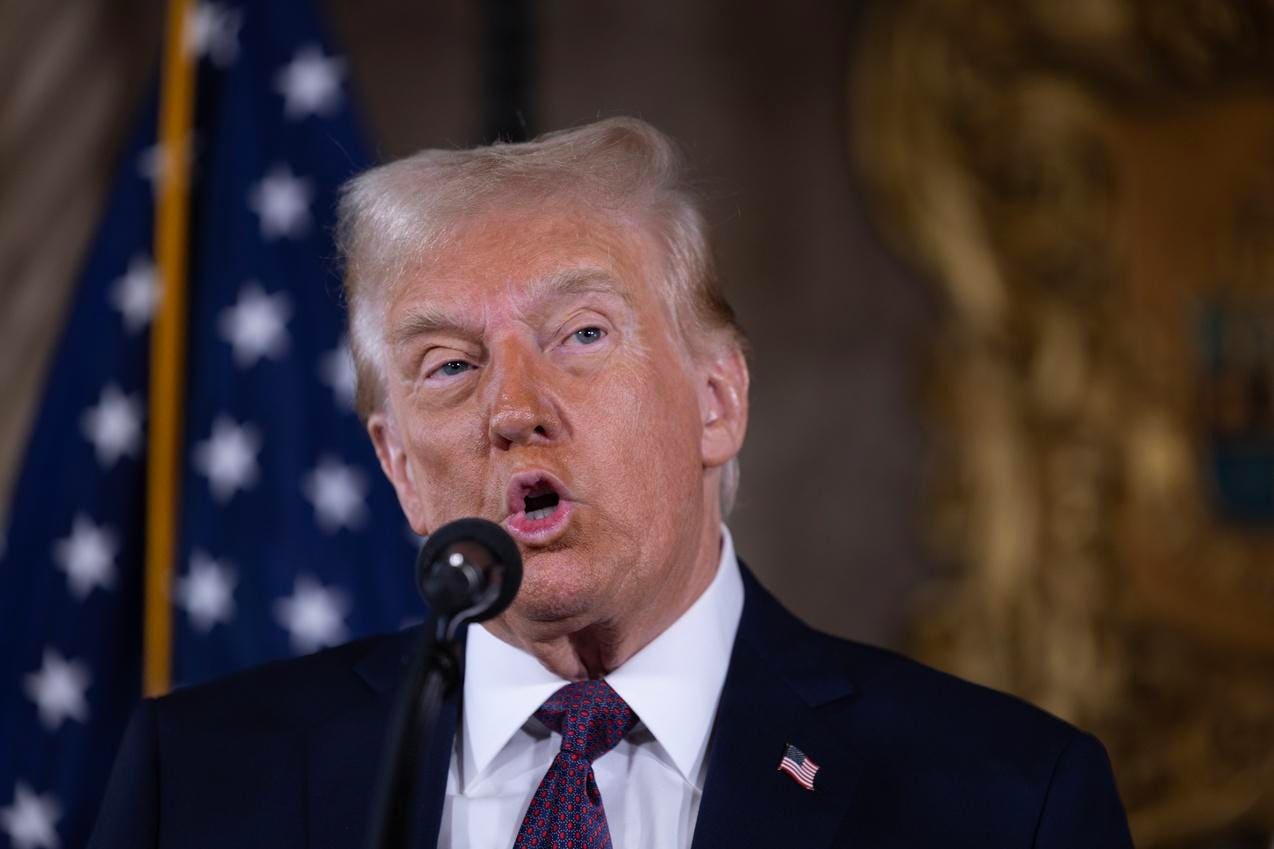
President Trump Terminates Federal Government Diversity, Equity, and Inclusion Programs
Executive Order Sees End to Diversity Consideration in Hiring and Training
A mere day into his second term in office and President Donald Trump has already made good on his vow to terminate federal government diversity, equity, and inclusion programs which he has described as “illegal and immoral.”
Tuesday’s Executive Order will see federal government agencies cease to consider diversity within hiring protocols and remove it from employee training programs. Furthermore, all federal employees who work in DEI programs have now been placed on paid leave and those agencies employing them tasked with submitting a written plan for their dismissal by January 31. Businesses benefiting from minority funding programs are also in line to experience the shockwaves of the President’s vilification of what fellow conservatives view as the infiltration of wokeism into American culture and politics necessitating an end to policies promoting affirmative action.
Corporate America Anticipates Policy Shift
Corporate America has not been slow in anticipating the policy sea change away from that of the outgoing Biden administration. Meta, Amazon, McDonalds, and Walmart all recently announced a major scaling back and reframing of their DEI initiatives.
In an internal memo initially reported by Axios Meta attributed its retrenchment of DEI to a “shifting legal and policy landscape” while also asserting that the term “DEI” had become “charged.”
Disability Inclusion Left Out of the Conversation
Despite the current noise around DEI, those looking to read up and research what all this might mean for disability inclusion in particular would appear to be out of luck. References to disability within this particular news buzz would appear to be conspicuous by their absence with a far greater emphasis being placed on gender and race in particular. However, for disability activists, this is unlikely to be reason enough to breathe a sigh of relief. Disability, despite being one of the largest, intersectional, and non-partisan diversity segments of all, has always been something of a poor cousin within the corporate DEI world and has often faced an uphill task to bring itself to the boardroom table.
Backlash Against the DEI Backlash
There also appears to be already emerging a backlash against the DEI backlash from other sections of corporate America. The likes of Costco, Apple, and Delta have already come out publicly in steadfast support of a continuation of their DEI policies despite the current climate. In quotes provided over email Sander van ‘t Noordende, CEO of recruitment giant Randstad said, “Some businesses are rolling back on their equity-based programs, but most businesses I talk to are navigating and staying the course. Why? Because it’s good for business. The workplace should be a high-trust environment. Our research shows that less than half (49%) of talent trust their employers to create a working culture where everyone can thrive. Employers need to work on bringing this higher, and not putting that trust at risk.”
What’s Next for Disability Hiring?
As far as disability hiring is concerned, what happens next in all likelihood spins on a fairly predictable fork in the road ahead. Disability inclusion may suffer intensely from the “last in, first out” effect that has characterized its slow ascent to the top of the boardroom agenda in comparison to other segments. On the other hand, as a bi-partisan issue that has often been viewed outside the anti-woke backlash, it might just receive some shielding from the ongoing fracas. Better still, the current polarization should require a sharpening of minds and renewed drive and determination amongst those who feel such issues are just too important to stop fighting for.
Conclusion
The termination of federal government diversity, equity, and inclusion programs marks a significant shift in the current political landscape. While some businesses may choose to scale back their DEI initiatives, others are standing firm in their commitment to promoting a culture of inclusion. As the debate continues, it is crucial that disability inclusion remains a priority, and that efforts to promote accessibility and inclusion are not lost in the noise.
FAQs
Q: What does the Executive Order mean for federal employees working in DEI programs?
A: All federal employees who work in DEI programs have been placed on paid leave, and agencies employing them have been tasked with submitting a written plan for their dismissal by January 31.
Q: Will the AbilityOne program be affected by the Executive Order?
A: According to Bart Devon, Executive Director of the Alliance for Expanding America’s Workforce, any changes to AbilityOne would have to come through an act of Congress, and he would be reluctant to tie it to the presidency.
Q: What do other sections of corporate America think about the DEI backlash?
A: Some businesses, such as Costco, Apple, and Delta, have publicly expressed their support for continuing their DEI policies despite the current climate.




Portable Benefits Could Fix the Gig Economy’s Biggest Problem

Ethical Reasoning Has Become a Core Workplace Skill and Training Programs Are Missing It

Stakeholder Pressure on CEOs Has Reached a Breaking Point

Identity Resilience at Work and Why It Matters More Than Grit

The Revenge of Middle Management and Why Organizations Should Pay Attention

First-Generation Professionals Face a Different Workplace and Nobody Prepares Them for It

Small Business Survival in Underserved Communities Needs More Than Microloans

Aging Populations are Reshaping Labor Markets Faster Than Policy Can Respond

How Emotional Intelligence Can Help You Manage Stress and Build Resilience

Interview with Dr. Kristy K. Taylor, WORxK Global News Magazine Founder

Sarah Herrlinger Talks AirPods Pro Hearing Aid

Unlocking Human Potential: Kim Groshek’s Journey to Transforming Leadership and Stress Resilience

NetWork Your Way to Success: Top Tips for Maximizing Your Professional Network

The Power of Belonging: Why Feeling Accepted Matters in the Workplace

Health-care stocks fall after Warren PBM bill, Brian Thompson shooting

Glenda Benevides: Creating Global Impact Through Music
-
 Resiliency1 year ago
How Emotional Intelligence Can Help You Manage Stress and Build Resilience
-
 Career Advice2 years ago
Interview with Dr. Kristy K. Taylor, WORxK Global News Magazine Founder
-
 Diversity and Inclusion (DEIA)2 years ago
Sarah Herrlinger Talks AirPods Pro Hearing Aid
-
 Changemaker Interviews2 years ago
Unlocking Human Potential: Kim Groshek’s Journey to Transforming Leadership and Stress Resilience
-
 Career Advice2 years ago
NetWork Your Way to Success: Top Tips for Maximizing Your Professional Network
-
 Diversity and Inclusion (DEIA)2 years ago
The Power of Belonging: Why Feeling Accepted Matters in the Workplace
-
 Global Trends and Politics2 years ago
Health-care stocks fall after Warren PBM bill, Brian Thompson shooting
-
 Changemaker Interviews2 years ago
Glenda Benevides: Creating Global Impact Through Music