
Innovation and Technology
Choosing the Right 3-D Printing Business Model

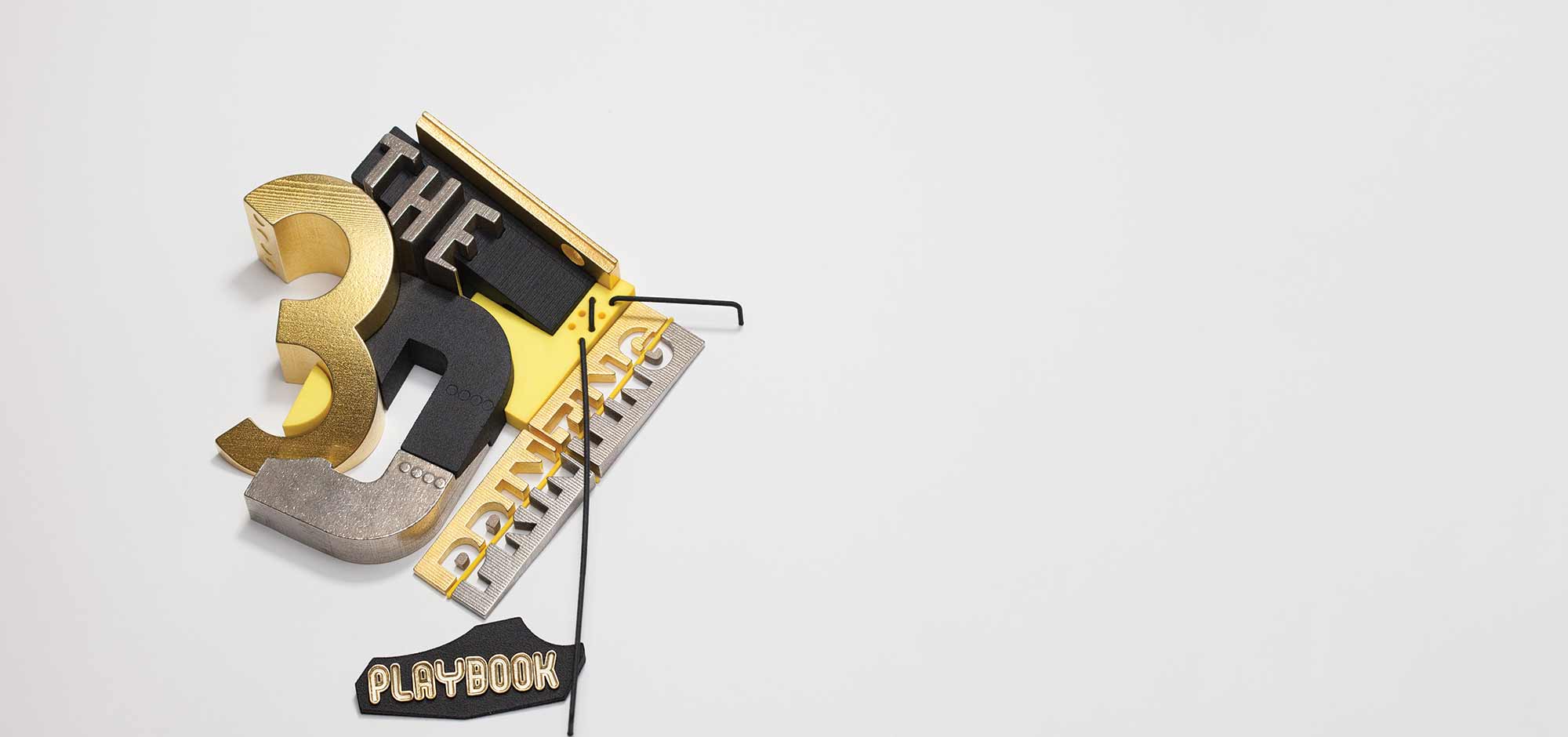
A New Era in Additive Manufacturing
A new era in additive manufacturing, or “3-D printing,” is at hand, with major implications for adoption of the technology and for business models that companies can use in taking the plunge.
Advancements in Capabilities and Materials
In the three years since I last wrote about the field for HBR (“The 3-D Printing Revolution,” May 2015), additive’s growing capabilities, together with expansion in both the materials available and the supplier ecosystem, have made it possible to affordably produce a much broader range of things—from the soles of running shoes to turbine blades—often in much higher volumes.
Customization and Responsiveness
The technology provides an unprecedented ability to customize products and respond quickly to shifts in market demand. As a result, it is moving from limited applications, such as prototyping and making conventional machine tools, to a central role in manufacturing for a growing number of industries.
Industries Impacted by Additive Manufacturing
Additive manufacturing is transforming industries such as:
- Automotive: Customized car parts, reduced weight, and increased fuel efficiency
- Aerospace: Lightweight components, reduced material waste, and increased production efficiency
- Healthcare: Customized implants, prosthetics, and surgical models
- Consumer Goods: Customized products, reduced lead times, and increased product complexity
Business Model Implications
As additive manufacturing becomes more widespread, companies will need to adapt their business models to take advantage of its capabilities. This may involve:
- Developing new products and services
- Changing production workflows and supply chains
- Investing in new technologies and training
- Reevaluating product design and development processes
Conclusion
The future of manufacturing is here, and it is additive. As the technology continues to evolve, we can expect to see even more widespread adoption and innovation across industries. Companies that are early adopters will be well-positioned to capitalize on the opportunities and challenges presented by this new era in manufacturing.
FAQs
Q: What is additive manufacturing?
A: Additive manufacturing, also known as 3-D printing, is a process of creating three-dimensional objects by adding layer upon layer of materials.
Q: What are the benefits of additive manufacturing?
A: The benefits of additive manufacturing include increased customization, reduced material waste, and increased production efficiency.
Q: Which industries are most impacted by additive manufacturing?
A: Industries such as automotive, aerospace, healthcare, and consumer goods are most impacted by additive manufacturing.
Q: How can companies adapt to additive manufacturing?
A: Companies can adapt to additive manufacturing by developing new products and services, changing production workflows and supply chains, investing in new technologies and training, and reevaluating product design and development processes.




Portable Benefits Could Fix the Gig Economy’s Biggest Problem

Ethical Reasoning Has Become a Core Workplace Skill and Training Programs Are Missing It

Stakeholder Pressure on CEOs Has Reached a Breaking Point

Identity Resilience at Work and Why It Matters More Than Grit

The Revenge of Middle Management and Why Organizations Should Pay Attention

First-Generation Professionals Face a Different Workplace and Nobody Prepares Them for It

Small Business Survival in Underserved Communities Needs More Than Microloans

Aging Populations are Reshaping Labor Markets Faster Than Policy Can Respond

How Emotional Intelligence Can Help You Manage Stress and Build Resilience

Interview with Dr. Kristy K. Taylor, WORxK Global News Magazine Founder

Sarah Herrlinger Talks AirPods Pro Hearing Aid

Unlocking Human Potential: Kim Groshek’s Journey to Transforming Leadership and Stress Resilience

NetWork Your Way to Success: Top Tips for Maximizing Your Professional Network

The Power of Belonging: Why Feeling Accepted Matters in the Workplace

Health-care stocks fall after Warren PBM bill, Brian Thompson shooting

Glenda Benevides: Creating Global Impact Through Music
-
 Resiliency1 year ago
How Emotional Intelligence Can Help You Manage Stress and Build Resilience
-
 Career Advice2 years ago
Interview with Dr. Kristy K. Taylor, WORxK Global News Magazine Founder
-
 Diversity and Inclusion (DEIA)2 years ago
Sarah Herrlinger Talks AirPods Pro Hearing Aid
-
 Changemaker Interviews2 years ago
Unlocking Human Potential: Kim Groshek’s Journey to Transforming Leadership and Stress Resilience
-
 Career Advice2 years ago
NetWork Your Way to Success: Top Tips for Maximizing Your Professional Network
-
 Diversity and Inclusion (DEIA)2 years ago
The Power of Belonging: Why Feeling Accepted Matters in the Workplace
-
 Global Trends and Politics2 years ago
Health-care stocks fall after Warren PBM bill, Brian Thompson shooting
-
 Changemaker Interviews2 years ago
Glenda Benevides: Creating Global Impact Through Music