
Innovation and Technology
Digital Archiving and Preservation Heads to the Moon

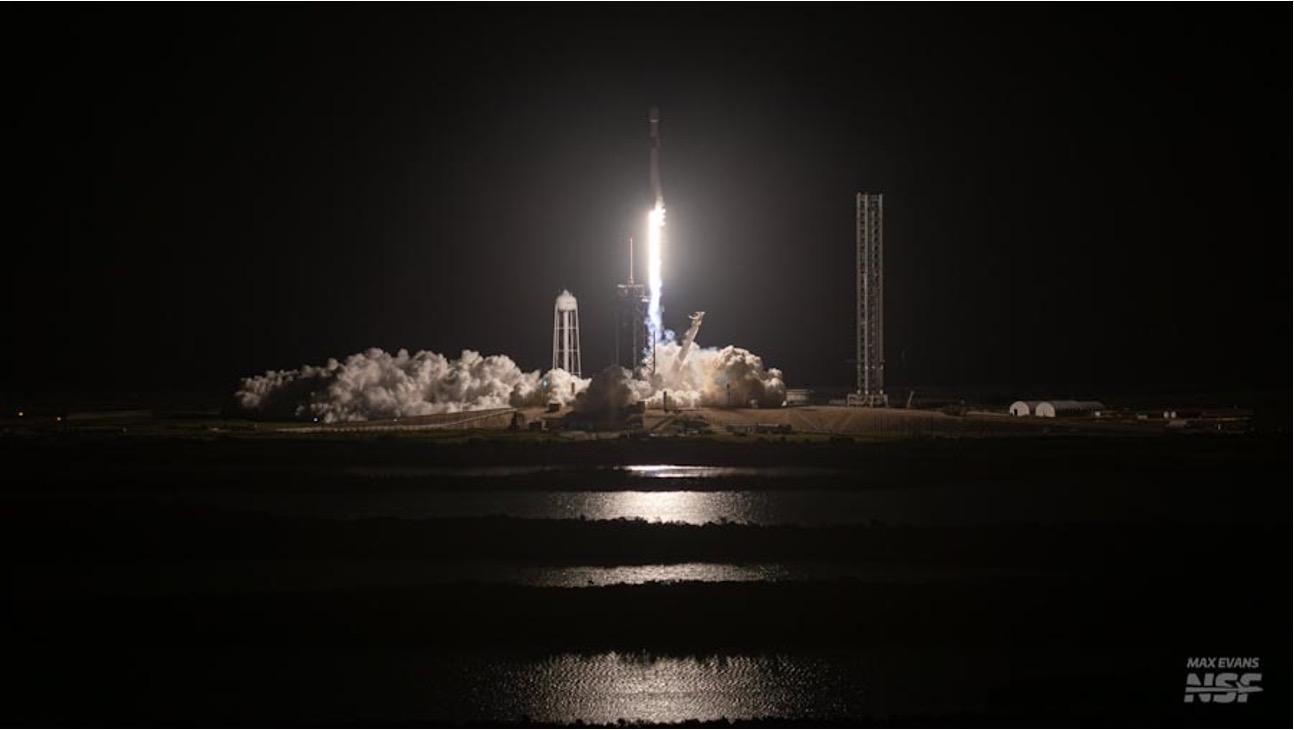
Falcon 9 Launch Contains Blue Ghost Lander
Space-Based Data Storage Solutions
Flexential, a provider of data center solutions, partnered with Lonestar Data Holding Inc. (Lonestar), which is involved in lunar infrastructure and resiliency as a service (RaaS) to support Lonestar’s upcoming launch of Freedom, its second data center to the moon with Intuitive Machines on a SpaceX Falcon 9 rocket.
Intuitive Machines Lander with Lonestar Freedom Payload
Data Center on the Moon
The companies say that space-based data storage solutions eliminate the need to use terrestrial resources, including power, while advancing resiliency and reliability in data infrastructure. Space-based data centers can also provide protection of essential data against large-scale disasters, including earthquakes, hurricanes, wildfires, floods, warfare, and acts of terrorism that could impact terrestrial facilities.
Primary Purpose of Lonestar’s Orbital Data Center
According to the press release, the primary purpose of Lonestar’s orbital data center will be to provide resiliency and disaster recovery and edge processing services for their global government and enterprise customers who require the highest levels of data protection. Unlike a traditional data center, Freedom is solar powered and naturally cooled to leverage Solid-State Drives (SSDs) and a Field Programmable Gate Array (FPGA) edge processor.
Blue Ghost Lander Carries Tokens and Historical Data
On January 15, a lunar lander embarked on a journey to the moon, carrying tokens and a significant piece of historical data. This data, securely encoded in synthetic DNA from Iridia, is encapsulated within a monument symbolizing humanity’s achievements and carried in Lifeship’s lunar payload on the Dragonfly Aerospace Blue Ghost Lander.
Firefly Aerospace Blue Ghost Lander
Long-Term Data Retention
By virtue of the moon’s stable environment and Iridia’s shielded nanotechnology, this archival milestone is projected to endure for millennia, serving as a testament to humanity’s commitment to protecting and preserving our collective knowledge—and to drive forward the frontiers of AI technology.
Iridia Molecular Wallet
Iridia participated in this mission in collaboration with Arweave, an open-source protocol for permanent data storage, and the ASI Alliance, a collaboration between SingularityNET, Fetch.ai, and Ocean Protocol. ASI (FET) tokens, an alliance of leading AI protocols, will be securely stored in an Iridia Molecular Wallet. This solution for private key backup highlights the versatility of molecular storage for preserving both historical records and digital assets.
Conclusion
Data infrastructure is moving to the moon with an upcoming launch of a lunar data center by Flexential and Lonestar Data Holdings and the upcoming landing of an Iridia digital wallet with assets from Arweave and the ASI Alliance.
FAQs
Q: What is the purpose of Lonestar’s orbital data center?
A: The primary purpose of Lonestar’s orbital data center will be to provide resiliency and disaster recovery and edge processing services for their global government and enterprise customers who require the highest levels of data protection.
Q: How will the data center be powered?
A: Freedom, the data center, is solar powered and naturally cooled to leverage Solid-State Drives (SSDs) and a Field Programmable Gate Array (FPGA) edge processor.
Q: What is the purpose of the Iridia Molecular Wallet?
A: The Iridia Molecular Wallet will securely store ASI (FET) tokens, an alliance of leading AI protocols, and will serve as a solution for private key backup, highlighting the versatility of molecular storage for preserving both historical records and digital assets.




Portable Benefits Could Fix the Gig Economy’s Biggest Problem

Ethical Reasoning Has Become a Core Workplace Skill and Training Programs Are Missing It

Stakeholder Pressure on CEOs Has Reached a Breaking Point

Identity Resilience at Work and Why It Matters More Than Grit

The Revenge of Middle Management and Why Organizations Should Pay Attention

First-Generation Professionals Face a Different Workplace and Nobody Prepares Them for It

Small Business Survival in Underserved Communities Needs More Than Microloans

Aging Populations are Reshaping Labor Markets Faster Than Policy Can Respond

How Emotional Intelligence Can Help You Manage Stress and Build Resilience

Interview with Dr. Kristy K. Taylor, WORxK Global News Magazine Founder

Sarah Herrlinger Talks AirPods Pro Hearing Aid

Unlocking Human Potential: Kim Groshek’s Journey to Transforming Leadership and Stress Resilience

NetWork Your Way to Success: Top Tips for Maximizing Your Professional Network

The Power of Belonging: Why Feeling Accepted Matters in the Workplace

Health-care stocks fall after Warren PBM bill, Brian Thompson shooting

Glenda Benevides: Creating Global Impact Through Music
-
 Resiliency1 year ago
How Emotional Intelligence Can Help You Manage Stress and Build Resilience
-
 Career Advice2 years ago
Interview with Dr. Kristy K. Taylor, WORxK Global News Magazine Founder
-
 Diversity and Inclusion (DEIA)2 years ago
Sarah Herrlinger Talks AirPods Pro Hearing Aid
-
 Changemaker Interviews2 years ago
Unlocking Human Potential: Kim Groshek’s Journey to Transforming Leadership and Stress Resilience
-
 Career Advice2 years ago
NetWork Your Way to Success: Top Tips for Maximizing Your Professional Network
-
 Diversity and Inclusion (DEIA)2 years ago
The Power of Belonging: Why Feeling Accepted Matters in the Workplace
-
 Global Trends and Politics2 years ago
Health-care stocks fall after Warren PBM bill, Brian Thompson shooting
-
 Changemaker Interviews2 years ago
Glenda Benevides: Creating Global Impact Through Music