
Organizational Culture
Should You Compromise Your Founding Principles for Faster Growth?

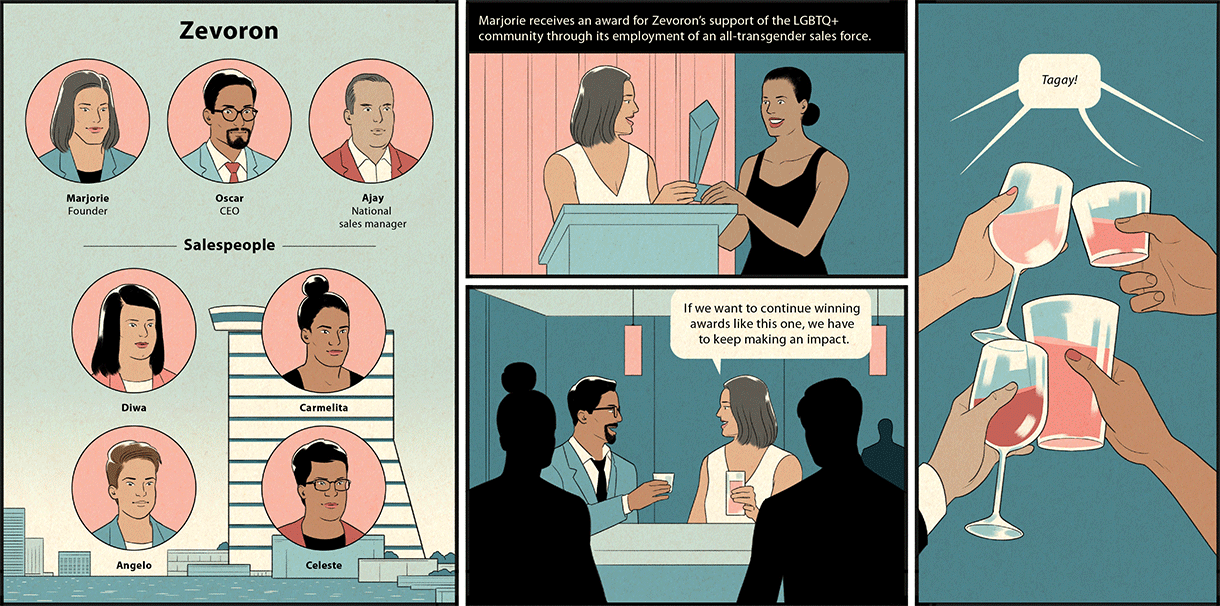
Should You Compromise Your Founding Principles for Faster Growth?
The Case Study
In 2010, a young startup called Asana was founded by Dustin Moskovitz and Justin Rosenstein with a mission to revolutionize the way teams work together. The company’s early success was fueled by its commitment to its core values, which included a focus on transparency, simplicity, and a strong sense of community. As Asana grew, it continued to prioritize these values, even as it faced increasing pressure to cut corners and compromise its principles.
Avoiding the “Growth Hacking” Trap
However, Asana’s leaders were approached by investors who urged them to “growth hack” their way to success, which meant prioritizing short-term gains over long-term sustainability. The investors suggested that Asana compromise its values by prioritizing revenue over user experience, sacrificing its commitment to transparency and simplicity. Moskovitz and Rosenstein were tempted, but they refused to compromise.
The Consequences of Compromising Founding Principles
In 2014, another startup, Fab, made the decision to compromise its founding principles in order to accelerate its growth. Fab’s founders had been committed to a business model based on sustainable, high-quality products, but they were convinced by investors to focus on quick profits instead. The result was a series of poor product decisions, including the use of cheap, low-quality materials and a focus on fast profits over long-term sustainability.
The Consequences of Staying True to Founding Principles
Asana, on the other hand, chose to stay true to its founding principles, even as it grew. The company continued to prioritize transparency, simplicity, and community, and its commitment to these values has paid off. As of 2020, Asana has grown to over $1 billion in annual revenue, with a net retention rate of 95%.
Conclusion
The Asana case study illustrates the importance of staying true to one’s founding principles, even in the face of pressure to compromise. By prioritizing its values, Asana has achieved long-term success and sustainability, while Fab’s decision to compromise its principles has led to a series of poor business decisions and ultimately, failure.
FAQs
* What are the benefits of staying true to one’s founding principles?
+ Long-term success and sustainability
+ Stronger company culture and employee engagement
+ Better customer loyalty and retention
* What are the risks of compromising one’s founding principles?
+ Short-term gains can lead to long-term consequences
+ Compromising on values can damage company culture and employee morale
+ Customers may lose trust in the company
* How can companies stay true to their founding principles as they grow?
+ Set clear values and priorities
+ Communicate these values to employees and stakeholders
+ Prioritize long-term sustainability over short-term gains




Portable Benefits Could Fix the Gig Economy’s Biggest Problem

Ethical Reasoning Has Become a Core Workplace Skill and Training Programs Are Missing It

Stakeholder Pressure on CEOs Has Reached a Breaking Point

Identity Resilience at Work and Why It Matters More Than Grit

The Revenge of Middle Management and Why Organizations Should Pay Attention

First-Generation Professionals Face a Different Workplace and Nobody Prepares Them for It

Small Business Survival in Underserved Communities Needs More Than Microloans

Aging Populations are Reshaping Labor Markets Faster Than Policy Can Respond

How Emotional Intelligence Can Help You Manage Stress and Build Resilience

Interview with Dr. Kristy K. Taylor, WORxK Global News Magazine Founder

Sarah Herrlinger Talks AirPods Pro Hearing Aid

Unlocking Human Potential: Kim Groshek’s Journey to Transforming Leadership and Stress Resilience

NetWork Your Way to Success: Top Tips for Maximizing Your Professional Network

The Power of Belonging: Why Feeling Accepted Matters in the Workplace

Health-care stocks fall after Warren PBM bill, Brian Thompson shooting

Glenda Benevides: Creating Global Impact Through Music
-
 Resiliency1 year ago
How Emotional Intelligence Can Help You Manage Stress and Build Resilience
-
 Career Advice2 years ago
Interview with Dr. Kristy K. Taylor, WORxK Global News Magazine Founder
-
 Diversity and Inclusion (DEIA)2 years ago
Sarah Herrlinger Talks AirPods Pro Hearing Aid
-
 Changemaker Interviews2 years ago
Unlocking Human Potential: Kim Groshek’s Journey to Transforming Leadership and Stress Resilience
-
 Career Advice2 years ago
NetWork Your Way to Success: Top Tips for Maximizing Your Professional Network
-
 Diversity and Inclusion (DEIA)2 years ago
The Power of Belonging: Why Feeling Accepted Matters in the Workplace
-
 Global Trends and Politics2 years ago
Health-care stocks fall after Warren PBM bill, Brian Thompson shooting
-
 Changemaker Interviews2 years ago
Glenda Benevides: Creating Global Impact Through Music