
Innovation and Technology
Palo Alto Networks Simplifies Cybersecurity With Cortex Cloud

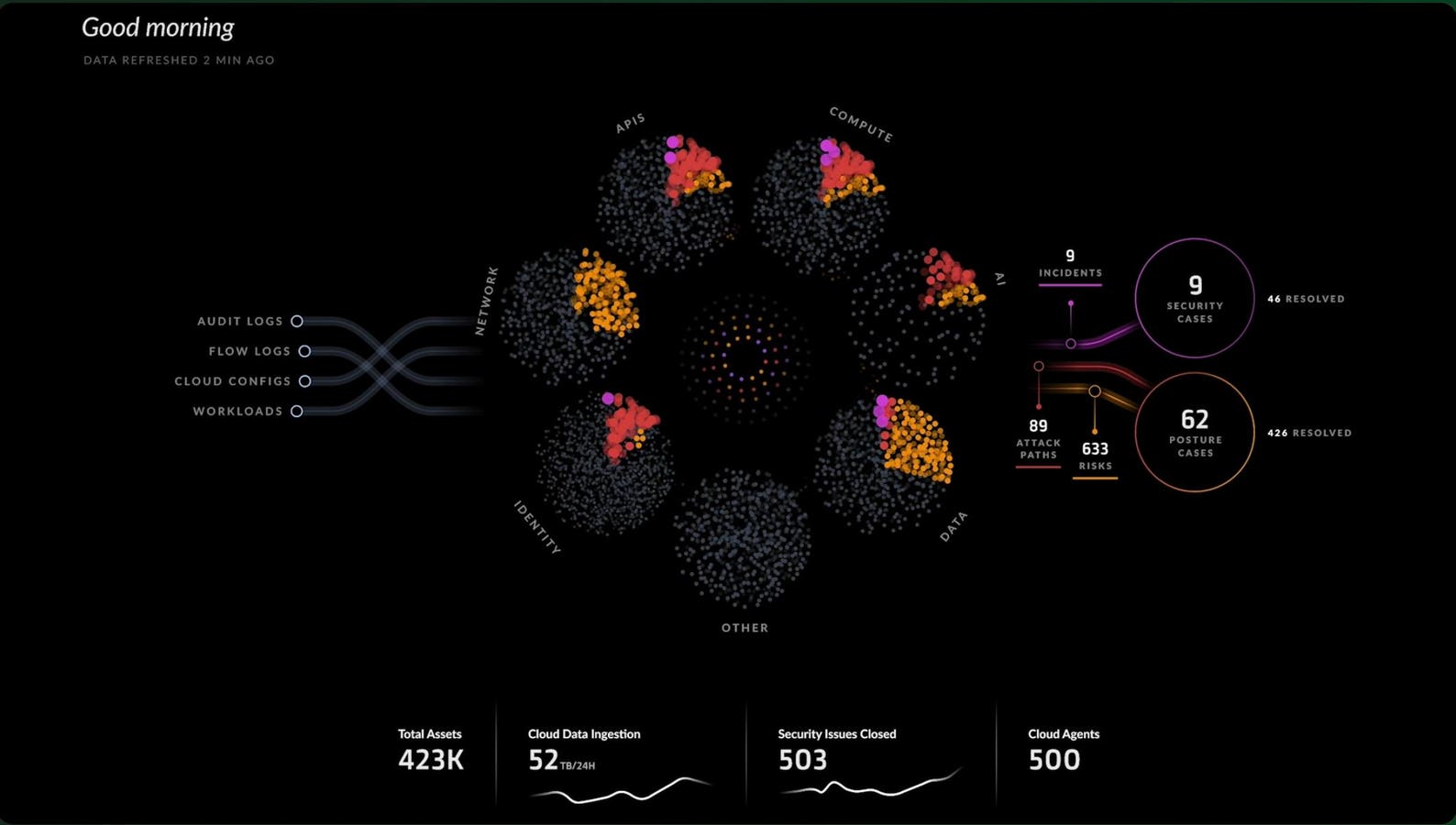
Palo Alto Networks’ Cortex Cloud: Revolutionizing Cybersecurity with Unification and AI
With the average organization using dozens of cybersecurity tools, security and IT leaders are drowning in complexity and expense. According to Palo Alto Networks’ research, the average organization faces nearly 2 million security-related findings, making it impossible for security teams to prioritize and address all potential threats effectively.
Adding to this complexity, cloud infrastructure changes rapidly, creating an ever-evolving risk landscape. The company’s research shows that 45% of cloud infrastructure risks change monthly. Meanwhile, adversaries are using AI to deliver more effective attacks more efficiently, cutting their time to data theft in half over recent months. While attackers may benefit from new AI capabilities, new AI-infused security solutions will also benefit defenders.
Market research firms, such as Gartner and IDC, have predicted the convergence of cloud security and traditional security operations as a key trend that will minimize these challenges. For example, IDC’s “FutureScape: Worldwide Security and Trust 2024 Predictions” projected that by 2026, 60% of enterprises will consolidate their cloud security tools into unified platforms that integrate with security operations.
Cortex Cloud Aims to Improve and Simplify Security
Palo Alto Networks took this challenge head-on with the announcement of its Cortex Cloud platform. Cortex Cloud integrates and evolves its Prisma Cloud capabilities. This shift represents more than a simple rebranding for Palo Alto because it’s a fundamental re-architecture of the platform that aims to unify cloud security with security operations center (SOC) capabilities.
The platform integration enables security teams to see the complete picture of their security landscape, from application code to cloud infrastructure to runtime environments. Cortex Cloud also integrates with third-party security tools and scanners to preserve existing security investments while benefiting from unified analytics and automation. Specifically, the Cortex Cloud platform offers four components that enable companies to:
- Minimize application security vulnerabilities. Cortex Cloud identifies and prioritizes issues across the development pipeline with end-to-end context across code, runtime, cloud, and third-party scanners.
- Create unified cloud posture visibility. Cortex Cloud builds on Prisma Cloud’s capabilities. It unifies visibility in one natively integrated platform, including cloud security posture management (CSPM), cloud infrastructure entitlement management (CIEM), data security posture management (DSPM), AI security posture management (AI-SPM), compliance, and vulnerability management (CWP).
- Update Cloud runtime features to stop attacks in real-time. Cortex Cloud natively integrates the unified Cortex XDR agent, enriched with additional cloud data sources, to prevent threats with advanced analytics.
- Deliver AI-driven SOC transformation. Cortex Cloud natively integrates cloud data, context, and workflows within Cortex XSIAM to significantly reduce the mean time required to respond (MTTR) to modern threats with a single, unified Security Operations (SecOps) solution.
How Does Cortex Cloud Benefit Buyers?
The platform’s unified approach brings several practical benefits, such as unified dashboards and reporting across all security functions. At the heart of Cortex Cloud is its unified data plane, which integrates data from various sources, including cloud posture, runtime, and application security. When security incidents occur, teams no longer need to manually coordinate between different departments and tools — all relevant information is available in one place, with unified reporting and consistent role-based access controls.
Cortex Cloud leverages advanced analytics and machine learning to prioritize alerts and security threat findings intelligently. The platform helps security teams focus on the most pressing issues that require immediate attention by considering factors such as threat intelligence, asset criticality, and risk profiles. This AI-powered approach significantly reduces the time and effort needed to identify and address potential security breaches, enabling organizations to respond more effectively to evolving threats. This contextual awareness is particularly valuable in complex, multi-layered cloud environments where the relationships between different components can be challenging to discern.
One of the other key benefits of Cortex Cloud is its automation capabilities. The platform can automatically remediate specific security issues, such as misconfigurations, without manual intervention. This feature reduces the workload on security teams and ensures that potential vulnerabilities are addressed promptly, minimizing the risk of exploitation. By automating routine tasks, Cortex Cloud empowers security professionals to focus on more strategic initiatives and proactive threat hunting.
Meeting Customers Where They Are
Palo Alto Networks’ move can potentially disrupt existing market prices by offering all multiple capabilities in a single package rather than requiring separate purchases for different controls. In one case, Palo Alto Networks demonstrated how its pricing would compare with that of one of its competitors using publicly available rates on the AWS Marketplace. In that scenario, the Cortex Cloud pricing was approximately 50% less than competitive solutions while providing more comprehensive coverage. But this doesn’t translate into a one-size-fits-all buying approach for customers. For existing Prisma Cloud customers, Palo Alto Networks offers flexible migration options, including like-for-like upgrades at no additional cost. The company emphasizes that adding the new Cloud Runtime Security or SOC capabilities is optional, and buyers can work with channel partners and their sales representatives to select what’s right for the organization.
Accelerating the Industry Shift
The announcement represents a significant shift in how enterprise security and cloud teams could achieve a more holistic security approach. Rather than treating cloud security as a separate domain, organizations can now manage it as part of their broader security operations strategy with shared intelligence, unified workflows, and automated responses. For organizations struggling with alert fatigue and siloed security tools, Palo Alto Networks’ integrated approach could provide a more manageable and effective way to secure their cloud environments.
Conclusion
Palo Alto Networks’ Cortex Cloud represents a significant leap forward in simplifying and improving an organization’s ability to prevent cybersecurity threats. By unifying cloud security with security operations center capabilities, the platform offers a more comprehensive and effective way to secure cloud environments. With its AI-powered approach, automated remediation, and unified analytics, Cortex Cloud is poised to revolutionize the way organizations approach cloud security.
FAQs
- What is Cortex Cloud?
Cortex Cloud is a unified platform that integrates cloud security with security operations center (SOC) capabilities, offering a more comprehensive and effective way to secure cloud environments. - What are the benefits of Cortex Cloud?
Cortex Cloud offers several benefits, including unified dashboards and reporting, AI-powered threat detection and remediation, and automated threat response. - How does Cortex Cloud differ from other security solutions?
Cortex Cloud differs from other security solutions in its unified approach, which integrates cloud security with security operations center (SOC) capabilities, offering a more comprehensive and effective way to secure cloud environments. - How does Cortex Cloud reduce the risk of security breaches?
Cortex Cloud reduces the risk of security breaches by identifying and prioritizing potential threats, automating threat response, and providing a more comprehensive and effective way to secure cloud environments.




Portable Benefits Could Fix the Gig Economy’s Biggest Problem

Ethical Reasoning Has Become a Core Workplace Skill and Training Programs Are Missing It

Stakeholder Pressure on CEOs Has Reached a Breaking Point

Identity Resilience at Work and Why It Matters More Than Grit

The Revenge of Middle Management and Why Organizations Should Pay Attention

First-Generation Professionals Face a Different Workplace and Nobody Prepares Them for It

Small Business Survival in Underserved Communities Needs More Than Microloans

Aging Populations are Reshaping Labor Markets Faster Than Policy Can Respond

How Emotional Intelligence Can Help You Manage Stress and Build Resilience

Interview with Dr. Kristy K. Taylor, WORxK Global News Magazine Founder

Sarah Herrlinger Talks AirPods Pro Hearing Aid

Unlocking Human Potential: Kim Groshek’s Journey to Transforming Leadership and Stress Resilience

NetWork Your Way to Success: Top Tips for Maximizing Your Professional Network

The Power of Belonging: Why Feeling Accepted Matters in the Workplace

Health-care stocks fall after Warren PBM bill, Brian Thompson shooting

Glenda Benevides: Creating Global Impact Through Music
-
 Resiliency1 year ago
How Emotional Intelligence Can Help You Manage Stress and Build Resilience
-
 Career Advice2 years ago
Interview with Dr. Kristy K. Taylor, WORxK Global News Magazine Founder
-
 Diversity and Inclusion (DEIA)2 years ago
Sarah Herrlinger Talks AirPods Pro Hearing Aid
-
 Changemaker Interviews2 years ago
Unlocking Human Potential: Kim Groshek’s Journey to Transforming Leadership and Stress Resilience
-
 Career Advice2 years ago
NetWork Your Way to Success: Top Tips for Maximizing Your Professional Network
-
 Diversity and Inclusion (DEIA)2 years ago
The Power of Belonging: Why Feeling Accepted Matters in the Workplace
-
 Global Trends and Politics2 years ago
Health-care stocks fall after Warren PBM bill, Brian Thompson shooting
-
 Changemaker Interviews2 years ago
Glenda Benevides: Creating Global Impact Through Music