
Innovation and Technology
An Example of Dignity

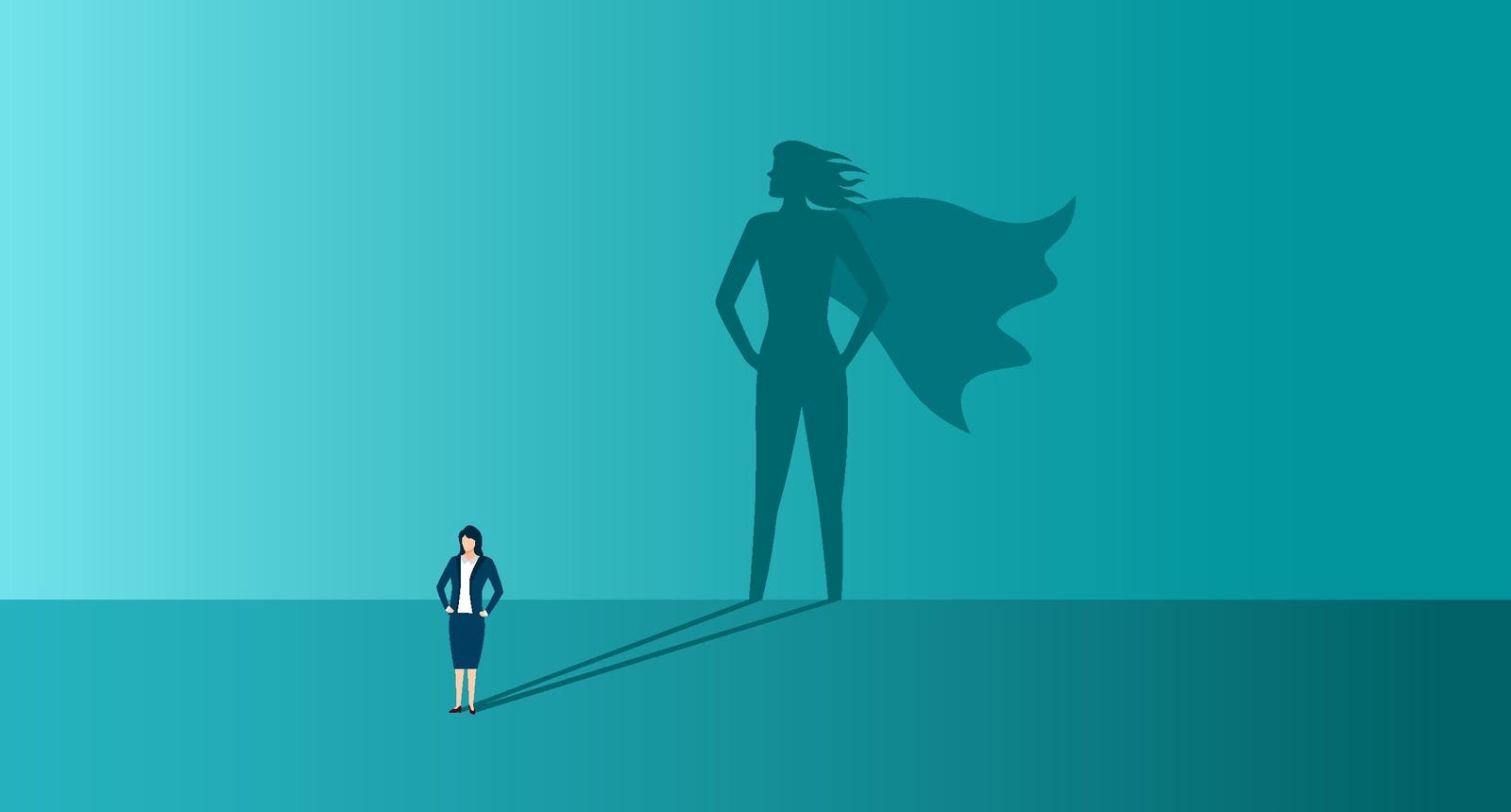
Understanding Dignity: A Call to Recognition and Validation
Introduction
Dignity is often considered a complex and multifaceted concept, encompassing both self-esteem and esteem from others. In this article, we will explore the importance of dignity in the age of artificial intelligence, and how it can be maintained and promoted in individuals and communities.
Philosophical Perspectives on Dignity
Renowned philosopher Immanuel Kant defined dignity as the most fundamental and absolute value, tied to the concept of autonomy, or our capacity for free will and self-determination. This perspective emphasizes the inherent worth of every individual, regardless of their achievements or virtues.
The Power of Dignity
Donna Hicks, a conflict-resolution expert and professor, described dignity as "the glue that holds all of our relationships together." She highlights the mutual need for recognition, to be seen, heard, and treated fairly, and emphasizes the importance of feeling safe in the world, understood, and respected.
Racial and Gender Dynamics
Research has shown that African Americans often report higher levels of self-esteem compared to White Americans, likely due to strong racial identity and coping mechanisms developed in response to societal challenges related to race. However, racial discrimination in the workplace can have significant negative impacts on an individual’s self-esteem and overall well-being.
Imposter Syndrome and the Quest for Self-Worth
The phenomenon of Imposter Syndrome, where individuals doubt their abilities and accomplishments, is becoming increasingly prevalent in today’s fast-paced and hyperconnected world. This can lead to a vicious cycle of doubt and insecurity, impacting not only personal confidence but also workplace success.
A Call to Action
As educators, we can play a crucial role in promoting dignity by recognizing, validating, and honoring the value of each individual. By doing so, we can help individuals develop a stronger sense of self-worth and build more positive and empowering relationships.
Conclusion
In conclusion, dignity is a multifaceted concept that encompasses both self-esteem and esteem from others. By understanding the philosophical and psychological perspectives on dignity, we can work towards promoting a culture of dignity and respect, where individuals feel valued, heard, and empowered to reach their full potential.
Frequently Asked Questions
- What is dignity?
Dignity is a complex concept that includes both self-esteem and esteem from others. - How can we promote dignity?
By recognizing, validating, and honoring the value of each individual, we can help build a culture of dignity and respect. - What are some common challenges to dignity?
Racial and gender discrimination, as well as Imposter Syndrome, can undermine an individual’s sense of dignity and self-worth. - How can educators promote dignity?
By focusing on building positive relationships, recognizing individual strengths and accomplishments, and providing a supportive and inclusive learning environment.


Portable Benefits Could Fix the Gig Economy’s Biggest Problem

Ethical Reasoning Has Become a Core Workplace Skill and Training Programs Are Missing It

Stakeholder Pressure on CEOs Has Reached a Breaking Point

Identity Resilience at Work and Why It Matters More Than Grit

The Revenge of Middle Management and Why Organizations Should Pay Attention

First-Generation Professionals Face a Different Workplace and Nobody Prepares Them for It

Small Business Survival in Underserved Communities Needs More Than Microloans

Aging Populations are Reshaping Labor Markets Faster Than Policy Can Respond

How Emotional Intelligence Can Help You Manage Stress and Build Resilience

Interview with Dr. Kristy K. Taylor, WORxK Global News Magazine Founder

Sarah Herrlinger Talks AirPods Pro Hearing Aid

Unlocking Human Potential: Kim Groshek’s Journey to Transforming Leadership and Stress Resilience

NetWork Your Way to Success: Top Tips for Maximizing Your Professional Network

The Power of Belonging: Why Feeling Accepted Matters in the Workplace

Health-care stocks fall after Warren PBM bill, Brian Thompson shooting

Glenda Benevides: Creating Global Impact Through Music
-
 Resiliency1 year ago
How Emotional Intelligence Can Help You Manage Stress and Build Resilience
-
 Career Advice2 years ago
Interview with Dr. Kristy K. Taylor, WORxK Global News Magazine Founder
-
 Diversity and Inclusion (DEIA)2 years ago
Sarah Herrlinger Talks AirPods Pro Hearing Aid
-
 Changemaker Interviews2 years ago
Unlocking Human Potential: Kim Groshek’s Journey to Transforming Leadership and Stress Resilience
-
 Career Advice2 years ago
NetWork Your Way to Success: Top Tips for Maximizing Your Professional Network
-
 Diversity and Inclusion (DEIA)2 years ago
The Power of Belonging: Why Feeling Accepted Matters in the Workplace
-
 Global Trends and Politics2 years ago
Health-care stocks fall after Warren PBM bill, Brian Thompson shooting
-
 Changemaker Interviews2 years ago
Glenda Benevides: Creating Global Impact Through Music