
Diversity and Inclusion (DEIA)
A Manager’s Guide To Building Inclusive Teams In A Hybrid Workplace

Importance of Team Communications in Fostering an Inclusive Workplace
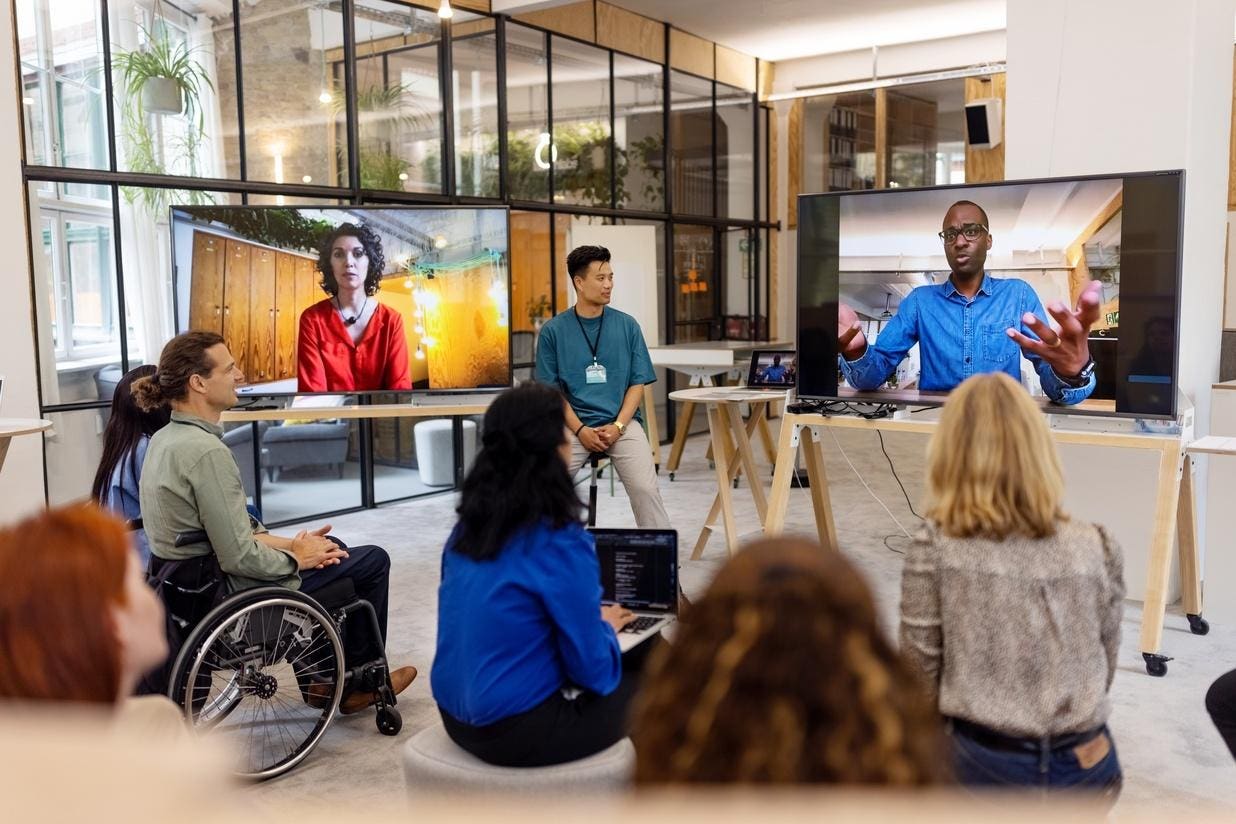
Twenty years ago, I worked in the United States, and the rest of my team, along with my boss, worked out of the United Kingdom. I never gave much thought to what I was missing out on in terms of proximity and whether I felt excluded. The constraint was defined, and we made it work. Knowing what I now know about helping organizations ready managers to cultivate inclusion in the workplace, I know I experienced bouts of exclusion that I simply ignored. Today’s workplace teams have a makeup that includes remote or hybrid work arrangements and the need for an inclusive workplace culture where everyone can thrive. This article will explore inclusion tips for managers to foster inclusion when managing hybrid teams.
Design And Enforce A Team Alliance To Create An Inclusive Work Environment
Team norms are important to foster inclusion amongst team members in hybrid structures. Without them, managers run the risk of encouraging a fertile environment for exclusion. Remote workers can feel lonely and adrift from the rest of the team that is in person at the office. Managers must be deliberate about setting the tone for ways of working. Team discussions should proactively outline potential roadblocks while brainstorming palatable solutions for all. Managers must remember that a one-size solution doesn’t fit all, so allow space for variation and creativity in ensuring all team members feel seen and valued. Alignment on a team alliance can serve as the GPS that helps team members feel included and create improved collaboration amongst teams.
Prioritize Communications To Ensure Team Members Feel Valued and Included
A manager’s workload can be full of responsibilities beyond people management tasks. And as such, it can be a challenge to prioritize team members who are not regularly visible in the office; however, managers should note that limited communications can cause relationship and productivity hiccups. Overcommunication will serve managers well when managing dispersed teams. Doing so creates an open channel to check in on your remote team members about work, feedback, and support they need. Investing the time to communicate and build relationships with team members will help managers encourage inclusion and role model inclusive behaviors to the rest of the team.
Fostering Connection Opportunities
If the majority of your team is in person, create an experience where the majority gets to embrace the perspective of the minority in the group. If, for example, a few people work remotely, and everyone else is in the office, encourage a switcheroo. Allow office workers to work remotely and allow remote workers to be in the office. This turnabout opportunity gives each party tangible experiences to draw upon. Then have a conversation with the team about the experience and revisit the alliance we previously discussed to update the ways of working procedures. Having the privilege of perspective creates rapport amongst team members. Research says that managers who create team-building opportunities gain favor with team members and also have a chance to broaden their knowledge around inclusion.
Address Team Dynamics and Challenges Around Exclusion
Be well aware of what’s happening in the team and work together to fix issues. Biases exist amongst us all. As managers, curiosity can serve as a beacon to better understand team challenges. Also, encourage team members to provide feedback to their managers. Managers who are responsive to team member needs demonstrate empathy, a core anchor for fostering inclusion.
Creating a New Dynamic
The new dynamic says the workplace looks and feels different. As such, everyone, regardless of proximity, is responsible for creating an inclusive environment.
Conclusion
In conclusion, team communications play a crucial role in fostering an inclusive workplace culture. Managers must be deliberate about setting the tone for ways of working, prioritize communications, and create opportunities for connection and feedback. By doing so, they can encourage inclusion, role model inclusive behaviors, and create a work environment where everyone can thrive.
Frequently Asked Questions
Q: What is the importance of team norms in a hybrid work structure?
A: Team norms are essential in fostering inclusion amongst team members in hybrid structures, as they help prevent exclusion and ensure all team members feel seen and valued.
Q: How can managers prioritize communications with remote team members?
A: Managers can prioritize communications with remote team members by overcommunicating, creating an open channel to check in on work, feedback, and support needed.
Q: What is the benefit of creating team-building opportunities?
A: Creating team-building opportunities helps managers gain favor with team members, broadens their knowledge around inclusion, and creates rapport amongst team members.
Q: How can managers address team dynamics and challenges around exclusion?
A: Managers can address team dynamics and challenges around exclusion by being aware of what’s happening in the team, working together to fix issues, and encouraging team members to provide feedback.




Community Mentorship Programs Help Strengthen Local Workforce and Social Impact

Low-Code Platforms are Changing How Businesses Build Internal Technology

Microlearning in Employee Training: A Practical Approach to Workplace Skill Development

Decision-Making Frameworks Improve Strategic Leadership and Organizational Clarity

Career Ladder Programs Strengthen Workforce Development and Employee Retention

Workplace Recognition Programs Improve Organizational Culture and Employee Engagement

Why Mental Endurance is Essential for Workplace Resilience

What Informational Interviews are and Why they Matter

How Emotional Intelligence Can Help You Manage Stress and Build Resilience

Interview with Dr. Kristy K. Taylor, WORxK Global News Magazine Founder

Sarah Herrlinger Talks AirPods Pro Hearing Aid

NetWork Your Way to Success: Top Tips for Maximizing Your Professional Network

Unlocking Human Potential: Kim Groshek’s Journey to Transforming Leadership and Stress Resilience

The Power of Belonging: Why Feeling Accepted Matters in the Workplace

Health-care stocks fall after Warren PBM bill, Brian Thompson shooting

Glenda Benevides: Creating Global Impact Through Music
-
 Resiliency7 months ago
How Emotional Intelligence Can Help You Manage Stress and Build Resilience
-
 Career Advice1 year ago
Interview with Dr. Kristy K. Taylor, WORxK Global News Magazine Founder
-
 Diversity and Inclusion (DEIA)1 year ago
Sarah Herrlinger Talks AirPods Pro Hearing Aid
-
 Career Advice1 year ago
NetWork Your Way to Success: Top Tips for Maximizing Your Professional Network
-
 Changemaker Interviews1 year ago
Unlocking Human Potential: Kim Groshek’s Journey to Transforming Leadership and Stress Resilience
-
 Diversity and Inclusion (DEIA)1 year ago
The Power of Belonging: Why Feeling Accepted Matters in the Workplace
-
 Global Trends and Politics1 year ago
Health-care stocks fall after Warren PBM bill, Brian Thompson shooting
-
 Changemaker Interviews12 months ago
Glenda Benevides: Creating Global Impact Through Music