
Innovation and Technology
AI Advances from Labor Replacement To Innovation Catalyst

As we embark on the artificial intelligence era, we’re only scratching the surface of the innovative possibilities it holds. The technology is poised to revolutionize various aspects of our lives, from transforming industries to redefining the way we interact with each other. According to Sam Wright, head of partnerships at Huntr, “We stand at a paradigm shift, and we need to realign our goalposts” to fully harness the potential of AI.
The shift from viewing AI as a labor replacement to an innovation machine is underway. Shauli Mizrahi, co-founder and CTO at Rep AI, notes that the conversation around AI is evolving to focus on its ability to do jobs that don’t exist or are incredibly non-scalable. This new perspective opens up exciting opportunities for growth and exploration. For instance, AI can be used to develop novel solutions that blend technology with traditional industries, such as fashion.
Real-World Applications of AI Innovation
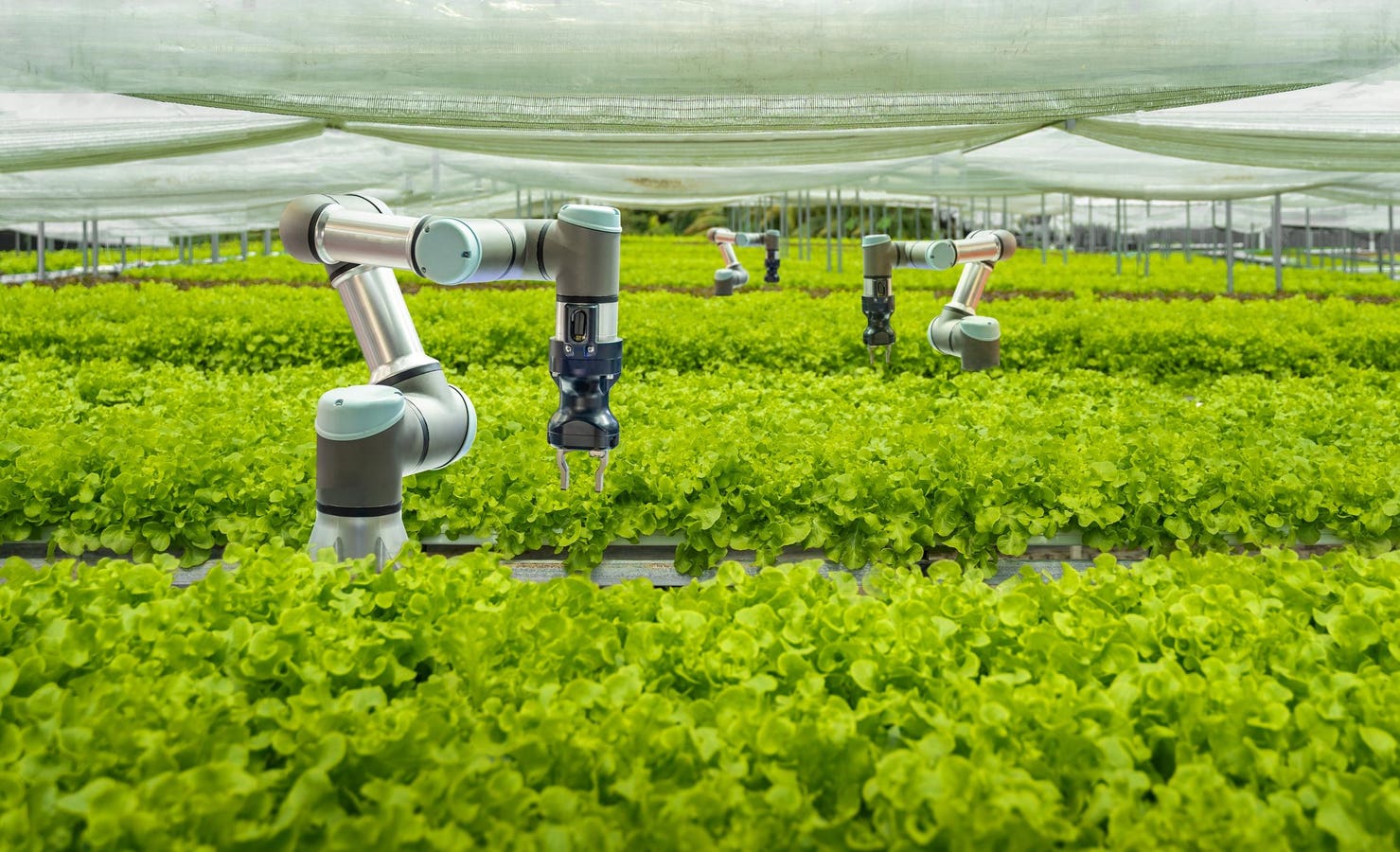
Judson Althoff, CEO of Microsoft’s commercial business, has highlighted several innovative ways customers are leveraging AI. One example is Ralph Lauren’s “Ask Ralph” solution, which uses natural language processing to provide styling tips and outfit recommendations. This technology not only showcases the potential of AI in fashion but also demonstrates its ability to understand complex queries and nuances. Other industries, such as agriculture, are also benefiting from AI innovation. Priva, a company based in The Netherlands, employs AI to communicate with plants about their watering needs and to harvest fruit and vegetables, illustrating the technology’s potential to transform small farms into modern, sustainable gardens.
Kai Hattendorf, CEO at HTF Consulting, suggests that the rise of AI-generated digital materials may lead to a counter-trend: a renewed emphasis on face-to-face interactions. As AI automates low-level engagement, it frees up capacities for in-person meetings, potentially leading to a growth in the “reality economy.” This unexpected development highlights the complex and multifaceted nature of AI’s impact on our lives.
The Future of AI and Its Potential Impact
As AI continues to evolve, we can expect to see its influence in many unexpected areas. Wright envisions a future where AI helps design closed-loop, self-sustaining communities that maximize quality life years for all humans. By incorporating regenerative agriculture and best growing practices, small farms can become modern gardens of Eden, providing for all basic needs while minimizing work hours. This vision is not only a testament to the potential of AI but also a reminder of the need for sustainable and innovative solutions to real-world problems.
Ultimately, the future of AI holds much promise, from transforming industries to redefining the way we live and interact. As we continue to explore and develop this technology, we must remain open to its potential and willing to realign our goalposts to fully harness its innovative power. By doing so, we can unlock a future where AI enhances our lives, fosters sustainability, and creates new opportunities for growth and exploration.




Community Mentorship Programs Help Strengthen Local Workforce and Social Impact

Low-Code Platforms are Changing How Businesses Build Internal Technology

Microlearning in Employee Training: A Practical Approach to Workplace Skill Development

Decision-Making Frameworks Improve Strategic Leadership and Organizational Clarity

Career Ladder Programs Strengthen Workforce Development and Employee Retention

Workplace Recognition Programs Improve Organizational Culture and Employee Engagement

Why Mental Endurance is Essential for Workplace Resilience

What Informational Interviews are and Why they Matter

How Emotional Intelligence Can Help You Manage Stress and Build Resilience

Interview with Dr. Kristy K. Taylor, WORxK Global News Magazine Founder

Sarah Herrlinger Talks AirPods Pro Hearing Aid

NetWork Your Way to Success: Top Tips for Maximizing Your Professional Network

Unlocking Human Potential: Kim Groshek’s Journey to Transforming Leadership and Stress Resilience

The Power of Belonging: Why Feeling Accepted Matters in the Workplace

Health-care stocks fall after Warren PBM bill, Brian Thompson shooting

Glenda Benevides: Creating Global Impact Through Music
-
 Resiliency7 months ago
How Emotional Intelligence Can Help You Manage Stress and Build Resilience
-
 Career Advice1 year ago
Interview with Dr. Kristy K. Taylor, WORxK Global News Magazine Founder
-
 Diversity and Inclusion (DEIA)1 year ago
Sarah Herrlinger Talks AirPods Pro Hearing Aid
-
 Career Advice1 year ago
NetWork Your Way to Success: Top Tips for Maximizing Your Professional Network
-
 Changemaker Interviews1 year ago
Unlocking Human Potential: Kim Groshek’s Journey to Transforming Leadership and Stress Resilience
-
 Diversity and Inclusion (DEIA)1 year ago
The Power of Belonging: Why Feeling Accepted Matters in the Workplace
-
 Global Trends and Politics1 year ago
Health-care stocks fall after Warren PBM bill, Brian Thompson shooting
-
 Changemaker Interviews12 months ago
Glenda Benevides: Creating Global Impact Through Music