
Innovation and Technology
AI Chatbots are Quietly Creating A Privacy Nightmare

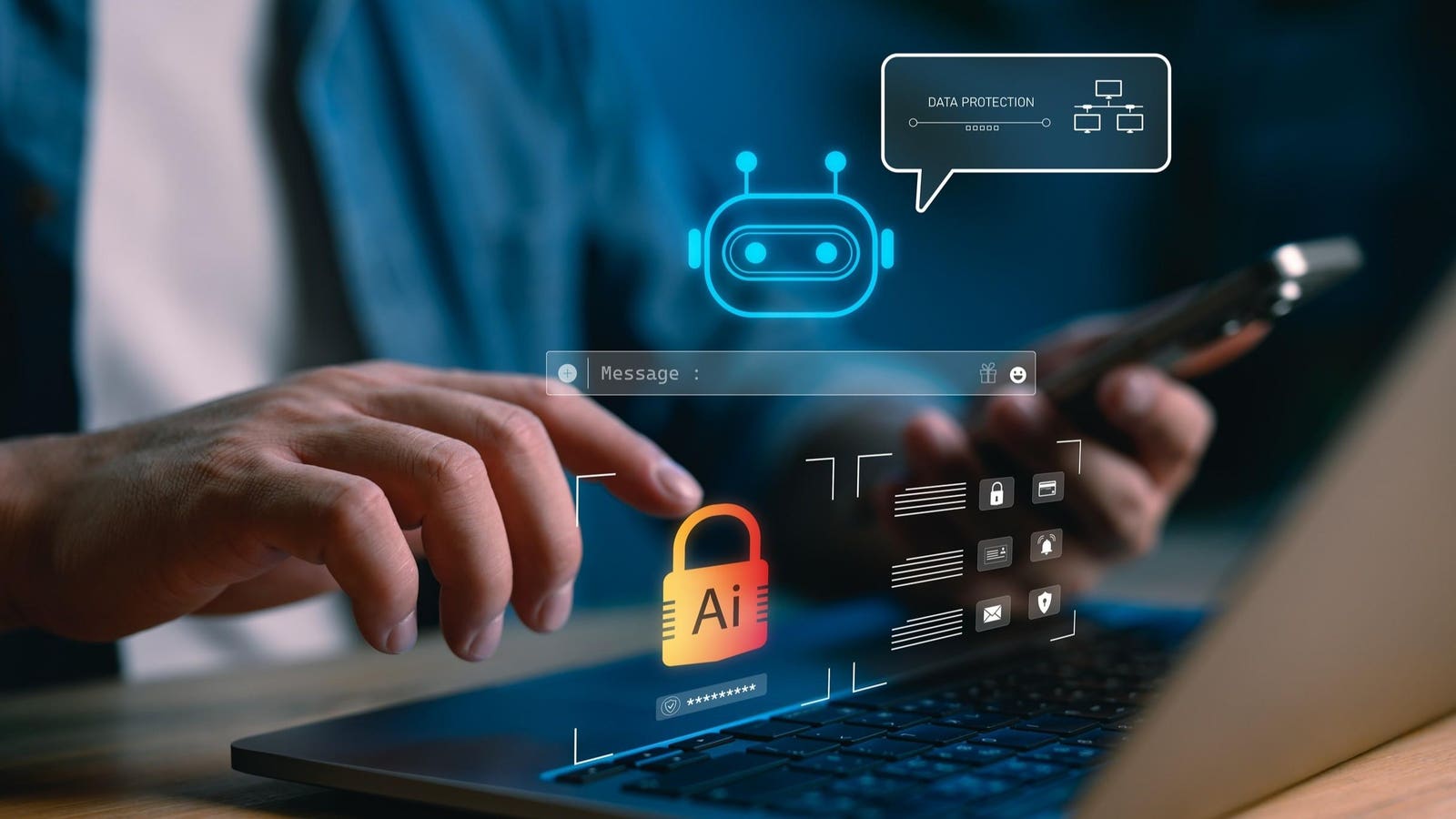
AI chatbots have become an integral part of our daily lives, serving as trusted companions for both personal and professional conversations. However, their increasing presence in our lives also carries hidden risks that can have severe consequences. Recent research has shown that people are using chatbots for therapy, discussing sensitive issues they wouldn’t feel comfortable sharing with humans. This perceived anonymity has led individuals to share intimate details, from medical information to financial data, without realizing the potential risks involved.
The benefits of AI chatbots are undeniable, from drafting job applications to analyzing corporate data. However, it’s essential to remember that chatbots are not bound by the same confidentiality rules as doctors, lawyers, or therapists. When safeguards fail or users don’t fully understand the implications, sensitive information can be exposed, leading to embarrassing, damaging, or even legal consequences. The risk of data leaks is not hypothetical; recent news reports have highlighted incidents where chatbot conversations have been compromised, exposing sensitive information to the public.
How Chatbots and Generative AI Threaten Privacy
There are several ways in which chatbots can compromise our privacy. The recent ChatGPT “leaks” are a prime example, where users unknowingly shared their conversations on the public internet due to a misunderstanding of the “share” function. This functionality, designed for collaborative chats, allowed search engines to index and make the conversations searchable, potentially revealing names, email addresses, and other identifiable information. Similarly, the Grok chatbot had up to 300,000 chats indexed and made publicly visible, highlighting the need for greater awareness and caution when using these tools.
Security flaws can also be exploited to compromise user data. For instance, Lenovo’s Lena chatbot was found to be vulnerable to malicious prompt injections, allowing access to user accounts and chat logs. Moreover, the rise of nudification apps and AI-generated explicit images raises concerns about the potential for non-consensual creation and sharing of sensitive content. The fact that Grok AI’s “spicy” mode generated explicit images of real people without user prompt underscores the systemic flaws in the design and development of these tools.
Why This is a Serious Threat to Privacy
The exposure of private conversations, thoughts, and sensitive information can have severe consequences, including embarrassment, blackmail, cyberfraud, or legal repercussions. The feeling of anonymity when interacting with chatbots can lead individuals to over-share without considering the potential risks. This can result in large volumes of sensitive information being stored on servers without adequate protections, making them vulnerable to hackers or poor security protocols. The increasing use of shadow AI, where employees use AI unofficially, outside of organizational policies, can also sidestep official security measures, neutralizing safeguards intended to keep information safe.
In heavily regulated industries such as healthcare, finance, and law, the use of chatbots and generative AI poses significant privacy risks. The lack of accountability for AI algorithms and the potential for systemic flaws in their design and development only exacerbate these concerns. As our reliance on chatbots grows, it’s essential to address these risks and ensure that our privacy is protected.
Protecting Ourselves and Our Privacy
To mitigate these risks, it’s crucial to acknowledge that AI chatbots are not therapists, lawyers, or trusted confidants. We should never share information with them that we wouldn’t be comfortable posting in public. This means refraining from discussing specifics of our medical histories, financial activities, or personal identifiable information. Remember, every conversation with a chatbot is likely stored and could potentially end up in the public domain. Businesses and organizations must also have procedures and policies in place to ensure awareness of the risks and discourage the practice of “shadow AI.” Regular training, auditing, and policy reviews can help minimize risks and protect sensitive information.
Ultimately, the risks posed by chatbots and generative AI require a societal response. We cannot rely solely on tech giants to prioritize privacy and security over speed and innovation. As our reliance on these tools grows, it’s essential to address the challenges they pose to our privacy and develop strategies to mitigate these risks. By understanding the potential threats and taking steps to protect ourselves, we can ensure that the benefits of AI chatbots are realized without compromising our privacy and security.




Community Mentorship Programs Help Strengthen Local Workforce and Social Impact

Low-Code Platforms are Changing How Businesses Build Internal Technology

Microlearning in Employee Training: A Practical Approach to Workplace Skill Development

Decision-Making Frameworks Improve Strategic Leadership and Organizational Clarity

Career Ladder Programs Strengthen Workforce Development and Employee Retention

Workplace Recognition Programs Improve Organizational Culture and Employee Engagement

Why Mental Endurance is Essential for Workplace Resilience

What Informational Interviews are and Why they Matter

How Emotional Intelligence Can Help You Manage Stress and Build Resilience

Interview with Dr. Kristy K. Taylor, WORxK Global News Magazine Founder

Sarah Herrlinger Talks AirPods Pro Hearing Aid

NetWork Your Way to Success: Top Tips for Maximizing Your Professional Network

Unlocking Human Potential: Kim Groshek’s Journey to Transforming Leadership and Stress Resilience

The Power of Belonging: Why Feeling Accepted Matters in the Workplace

Health-care stocks fall after Warren PBM bill, Brian Thompson shooting

Glenda Benevides: Creating Global Impact Through Music
-
 Resiliency7 months ago
How Emotional Intelligence Can Help You Manage Stress and Build Resilience
-
 Career Advice1 year ago
Interview with Dr. Kristy K. Taylor, WORxK Global News Magazine Founder
-
 Diversity and Inclusion (DEIA)1 year ago
Sarah Herrlinger Talks AirPods Pro Hearing Aid
-
 Career Advice1 year ago
NetWork Your Way to Success: Top Tips for Maximizing Your Professional Network
-
 Changemaker Interviews1 year ago
Unlocking Human Potential: Kim Groshek’s Journey to Transforming Leadership and Stress Resilience
-
 Diversity and Inclusion (DEIA)1 year ago
The Power of Belonging: Why Feeling Accepted Matters in the Workplace
-
 Global Trends and Politics1 year ago
Health-care stocks fall after Warren PBM bill, Brian Thompson shooting
-
 Changemaker Interviews12 months ago
Glenda Benevides: Creating Global Impact Through Music