
Innovation and Technology
AI Revolution in the Workplace

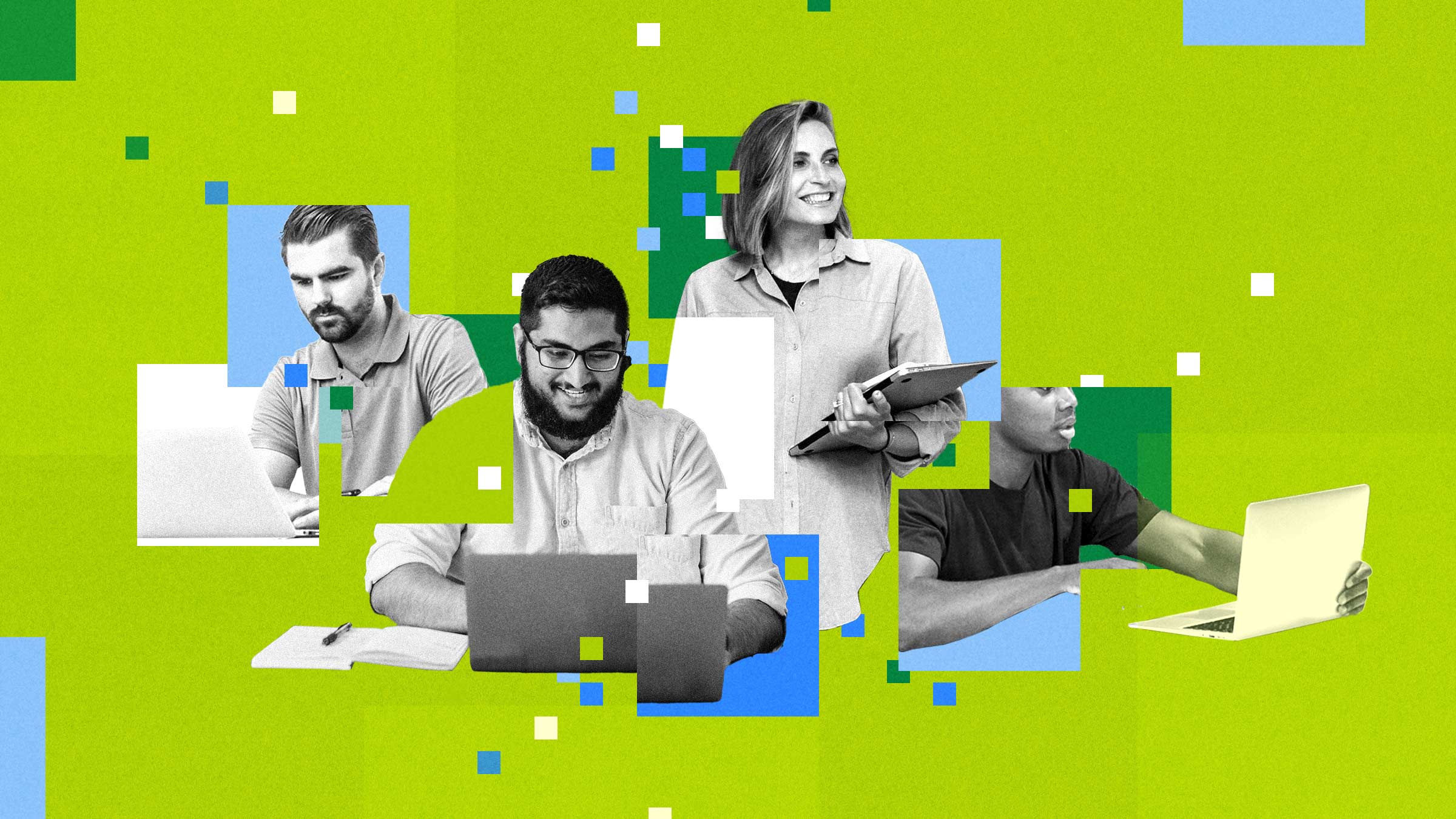
As AI matures, the availability of so-called “digital labor” is exploding, expanding the very definition of a qualified workforce. What was once the exclusive domain of human talent has now been joined by AI agents capable of handling many tasks once considered beyond the reach of automation—and as a result, according to Salesforce CEO Marc Benioff, the total addressable market for digital labor could soon reach the trillions of dollars.
The Evolution of Automation
The evolution of automation has been a significant factor in the growth of digital labor. Tasks that were once thought to require human intelligence and expertise can now be performed by AI agents with a high degree of accuracy and speed. This has opened up new possibilities for businesses and organizations, allowing them to automate tasks that were previously manual and time-consuming.
Impact on the Workforce
The rise of digital labor is likely to have a significant impact on the workforce. As AI agents take over routine and repetitive tasks, human workers will be freed up to focus on more complex and creative tasks that require a higher level of skill and expertise. This could lead to the creation of new job opportunities and the development of new industries that we cannot yet imagine.
Benefits of Digital Labor
The benefits of digital labor are numerous. For businesses, it can increase efficiency and productivity, reduce costs, and improve customer service. For workers, it can provide new opportunities for skill development and career advancement. For society as a whole, it can help to drive economic growth and innovation.
Challenges and Limitations
However, there are also challenges and limitations to the growth of digital labor. One of the main challenges is the need for significant investment in AI technology and infrastructure. There is also a risk that the rise of digital labor could exacerbate existing social and economic inequalities, particularly if certain groups are left behind in the transition to an automated workforce.
Future of Digital Labor
Despite these challenges, the future of digital labor looks bright. As AI technology continues to evolve and improve, we can expect to see even more tasks and industries being automated. This will require workers to develop new skills and adapt to new ways of working, but it also has the potential to drive significant economic growth and innovation.
Total Addressable Market
According to Salesforce CEO Marc Benioff, the total addressable market for digital labor could soon reach the trillions of dollars. This is a significant opportunity for businesses and investors, and it highlights the potential for digital labor to drive economic growth and innovation in the years to come.
Conclusion
In conclusion, the rise of digital labor is a significant trend that is likely to have a major impact on the workforce and the economy. As AI technology continues to evolve and improve, we can expect to see even more tasks and industries being automated. While there are challenges and limitations to the growth of digital labor, the benefits are numerous and the potential for economic growth and innovation is significant.
FAQs
- Q: What is digital labor?
A: Digital labor refers to the use of AI agents and automation to perform tasks that were previously done by humans. - Q: What are the benefits of digital labor?
A: The benefits of digital labor include increased efficiency and productivity, reduced costs, and improved customer service. - Q: What are the challenges and limitations of digital labor?
A: The challenges and limitations of digital labor include the need for significant investment in AI technology and infrastructure, and the risk that it could exacerbate existing social and economic inequalities. - Q: What is the total addressable market for digital labor?
A: According to Salesforce CEO Marc Benioff, the total addressable market for digital labor could soon reach the trillions of dollars. - Q: How will digital labor change the workforce?
A: Digital labor will change the workforce by automating routine and repetitive tasks, and freeing up human workers to focus on more complex and creative tasks.




Community Mentorship Programs Help Strengthen Local Workforce and Social Impact

Low-Code Platforms are Changing How Businesses Build Internal Technology

Microlearning in Employee Training: A Practical Approach to Workplace Skill Development

Decision-Making Frameworks Improve Strategic Leadership and Organizational Clarity

Career Ladder Programs Strengthen Workforce Development and Employee Retention

Workplace Recognition Programs Improve Organizational Culture and Employee Engagement

Why Mental Endurance is Essential for Workplace Resilience

What Informational Interviews are and Why they Matter

How Emotional Intelligence Can Help You Manage Stress and Build Resilience

Interview with Dr. Kristy K. Taylor, WORxK Global News Magazine Founder

Sarah Herrlinger Talks AirPods Pro Hearing Aid

NetWork Your Way to Success: Top Tips for Maximizing Your Professional Network

Unlocking Human Potential: Kim Groshek’s Journey to Transforming Leadership and Stress Resilience

The Power of Belonging: Why Feeling Accepted Matters in the Workplace

Health-care stocks fall after Warren PBM bill, Brian Thompson shooting

Glenda Benevides: Creating Global Impact Through Music
-
 Resiliency7 months ago
How Emotional Intelligence Can Help You Manage Stress and Build Resilience
-
 Career Advice1 year ago
Interview with Dr. Kristy K. Taylor, WORxK Global News Magazine Founder
-
 Diversity and Inclusion (DEIA)1 year ago
Sarah Herrlinger Talks AirPods Pro Hearing Aid
-
 Career Advice1 year ago
NetWork Your Way to Success: Top Tips for Maximizing Your Professional Network
-
 Changemaker Interviews1 year ago
Unlocking Human Potential: Kim Groshek’s Journey to Transforming Leadership and Stress Resilience
-
 Diversity and Inclusion (DEIA)1 year ago
The Power of Belonging: Why Feeling Accepted Matters in the Workplace
-
 Global Trends and Politics1 year ago
Health-care stocks fall after Warren PBM bill, Brian Thompson shooting
-
 Changemaker Interviews12 months ago
Glenda Benevides: Creating Global Impact Through Music