
Innovation and Technology
Arm Takes On Qualcomm

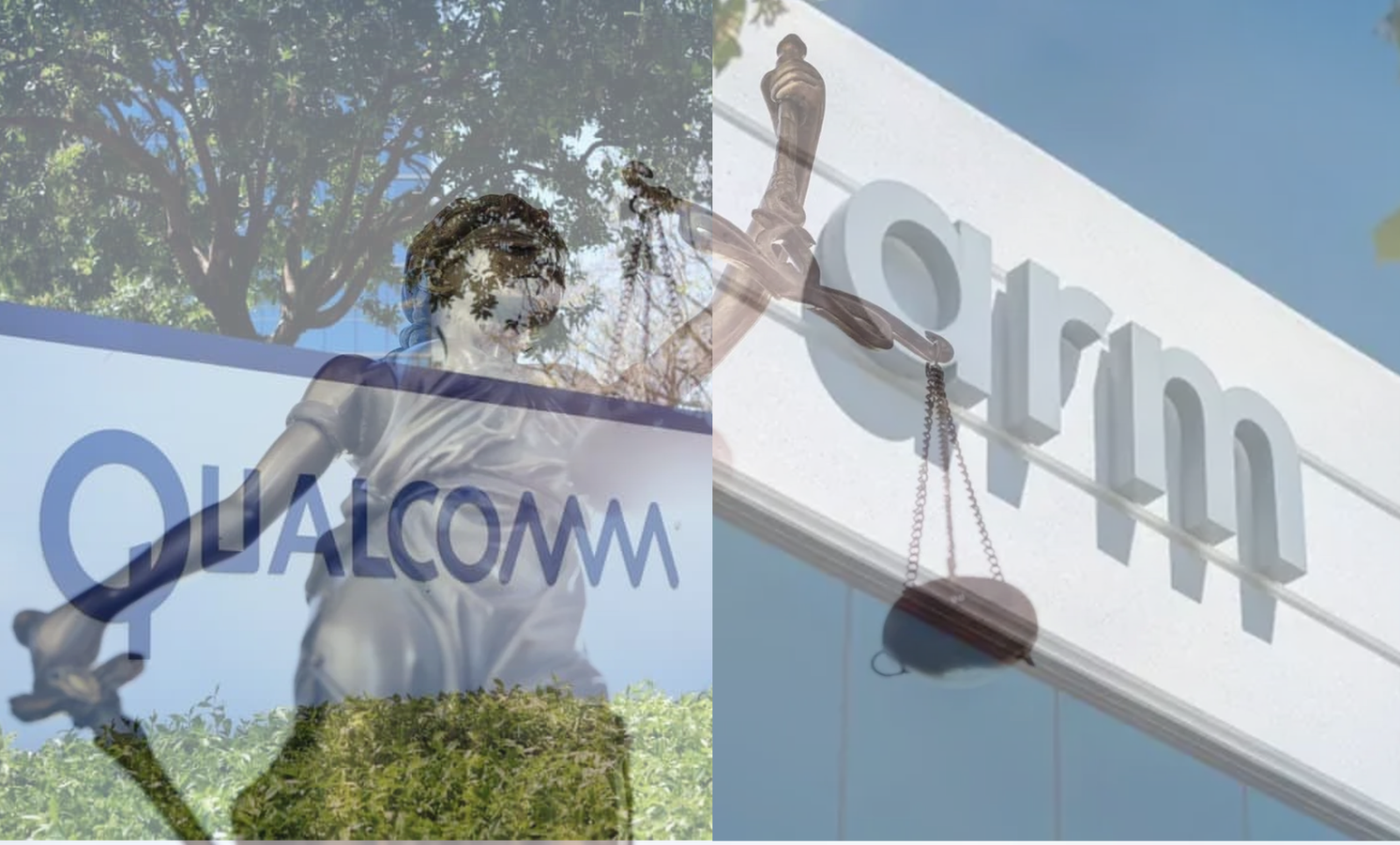
Arm and Qualcomm Face Off in Jury Trial
Background Context of the Dispute
Arm granted licenses to Nuvia, a company formed by ex-Apple and Google engineers, shortly after its formation in 2019. Arm did so along with providing engineering support to advance the Arm architecture in data center and server processor applications. In 2020, Nuvia announced details of an upcoming "Phoenix" processor, but before any Nuvia products were introduced, the company was acquired by Qualcomm in early 2021.
The Heart of the Dispute
At the heart of its claim, Arm contends that the Nuvia technology in question is covered by the Architecture License Agreement (ALA). As a result, Arm claims that Nuvia does not have the right to assign the IP without Arm’s consent, which it did not seek prior to or after the acquisition by Qualcomm. Arm also claims that its ALA agreement with Qualcomm does not cover the transfer or use of the Nuvia IP.
Nuvia and Qualcomm claim that Arm violated the terms of the Nuvia ALA by waiting a year to seek termination of the agreement. In addition, they claim that the ALA does not apply to all technology developed by Nuvia, particularly the microarchitecture, which is the underlying hardware design of a processor. Qualcomm also claims that its ALA with Arm is broader than the Nuvia ALA and covers the joint development of the new CPU cores developed after the acquisition.
Many Questions Remain
There are other issues that arise from this case, such as:
- Does a licensor have the right to approve or disapprove an acquisition of a licensee or place contractual conditions on a company that would make an acquisition unfeasible, especially a startup?
- Does an architecture license, essentially an instruction set license, extend to the microarchitecture, the design of the actual hardware?
- Does the acquisition of other Arm licensees, which are common, establish a precedent? Even Apple may represent a precedent with the acquisition of P.A. Semi to build its own engineering group that developed the custom Apple SoCs.
- With the ISA published and available to anyone, what aspects of the architecture does an architecture license cover?
- What is a reasonable time and conditions for terminating a technology license?
Implications of the Outcome
The outcome of this trial not only has material implications for the participants, but it could also set a precedent for IP licensing, mergers and acquisitions, and potentially contract law with regard to the tech industry. In addition, it will have an impact on the entire electronics ecosystem, especially each party’s supply chains and customer bases.
Conclusion
The outcome of this trial will have significant implications for the tech industry, and it is essential to monitor the proceedings and analyze the judgement to understand the potential impact on the semiconductor and broader tech industry.
FAQs
- What is the Architecture License Agreement (ALA)?
- The ALA is a contract between Arm and Nuvia that grants Nuvia the right to use Arm’s architecture in its products.
- What is the dispute about?
- The dispute is about whether Qualcomm can use Nuvia technology developed after the acquisition, and whether Arm has the right to approve or disapprove the acquisition.
- What are the implications of the outcome?
- The outcome will have significant implications for the tech industry, including the potential for a precedent-setting judgement on IP licensing, mergers and acquisitions, and contract law.




Community Mentorship Programs Help Strengthen Local Workforce and Social Impact

Low-Code Platforms are Changing How Businesses Build Internal Technology

Microlearning in Employee Training: A Practical Approach to Workplace Skill Development

Decision-Making Frameworks Improve Strategic Leadership and Organizational Clarity

Career Ladder Programs Strengthen Workforce Development and Employee Retention

Workplace Recognition Programs Improve Organizational Culture and Employee Engagement

Why Mental Endurance is Essential for Workplace Resilience

What Informational Interviews are and Why they Matter

How Emotional Intelligence Can Help You Manage Stress and Build Resilience

Interview with Dr. Kristy K. Taylor, WORxK Global News Magazine Founder

Sarah Herrlinger Talks AirPods Pro Hearing Aid

NetWork Your Way to Success: Top Tips for Maximizing Your Professional Network

Unlocking Human Potential: Kim Groshek’s Journey to Transforming Leadership and Stress Resilience

The Power of Belonging: Why Feeling Accepted Matters in the Workplace

Health-care stocks fall after Warren PBM bill, Brian Thompson shooting

Glenda Benevides: Creating Global Impact Through Music
-
 Resiliency7 months ago
How Emotional Intelligence Can Help You Manage Stress and Build Resilience
-
 Career Advice1 year ago
Interview with Dr. Kristy K. Taylor, WORxK Global News Magazine Founder
-
 Diversity and Inclusion (DEIA)1 year ago
Sarah Herrlinger Talks AirPods Pro Hearing Aid
-
 Career Advice1 year ago
NetWork Your Way to Success: Top Tips for Maximizing Your Professional Network
-
 Changemaker Interviews1 year ago
Unlocking Human Potential: Kim Groshek’s Journey to Transforming Leadership and Stress Resilience
-
 Diversity and Inclusion (DEIA)1 year ago
The Power of Belonging: Why Feeling Accepted Matters in the Workplace
-
 Global Trends and Politics1 year ago
Health-care stocks fall after Warren PBM bill, Brian Thompson shooting
-
 Changemaker Interviews12 months ago
Glenda Benevides: Creating Global Impact Through Music