
Diversity and Inclusion (DEIA)
As Arlington Cemetery Scrubs the Links of Black Veterans, Legacies Are Becoming Invisible

What Exactly Constitutes American History?
It’s a simple question that seems to continually get harder to answer.
Arlington National Cemetery’s Erasure of History
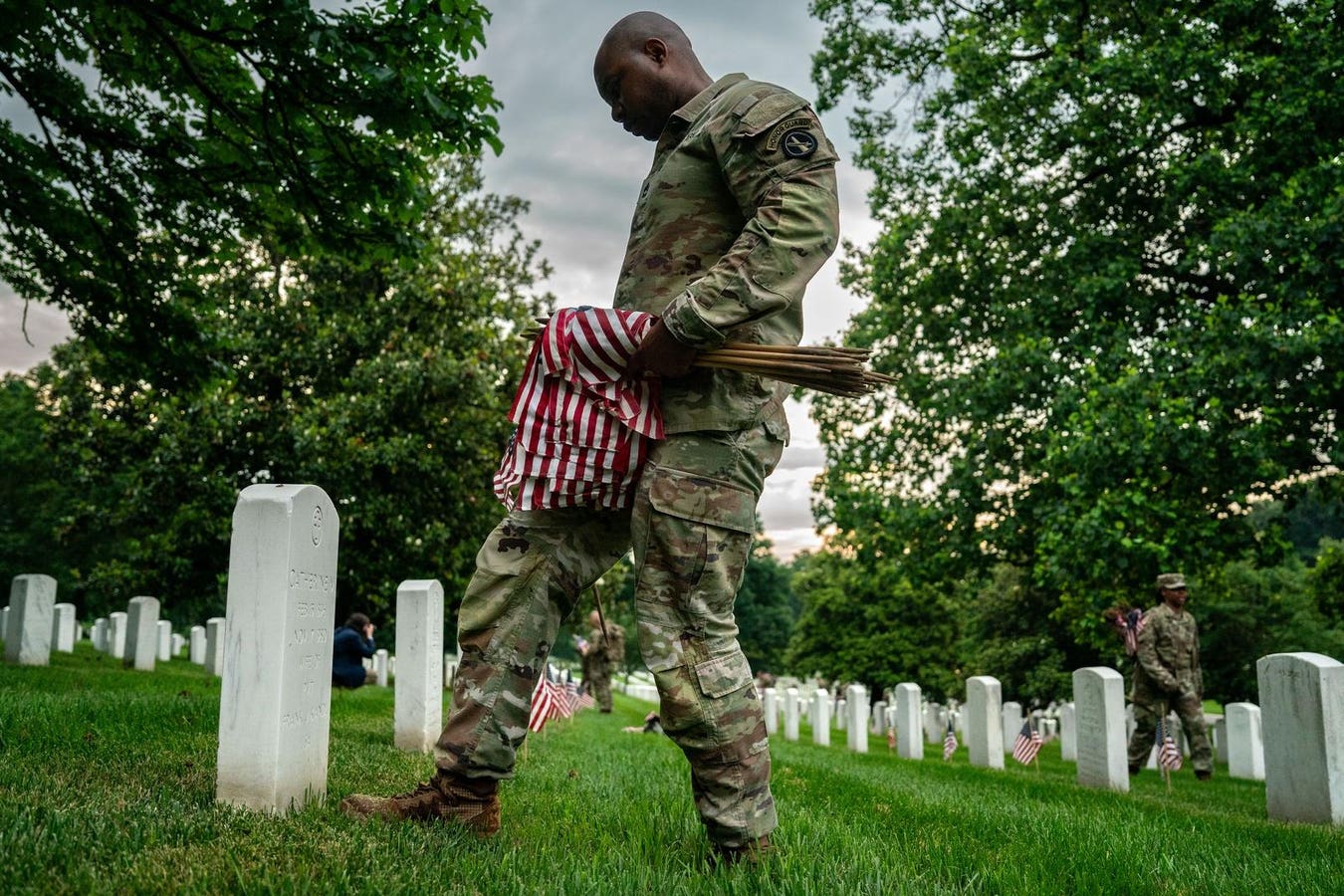
As part of the revisited DEI directive brought on by the White House, Arlington National Cemetery’s website scrubbed various pages, lists, and maps on grave sites that highlighted the specific efforts of African American, Hispanic American, and women service members who are buried on the grounds.
Arlington calls them modules—featured stories for visitors, families, researchers, and educators that help guide walking tours and learning opportunities.
The affected pages were “unpublished,” but it’s unclear if or when the pages will be republished.
The Military Is Diverse By Design
When it comes to cultural diversity at scale, the American military may be the most diverse organization in the United States. Of the just over two million Americans serving, 17% of the force is Black, 17% is Hispanic/Latino, and nearly one-fifth is women, a number that has increased as more military specialties have become fully integrated by gender.
That is today’s reality.
Where Do We Go From Here?
As the narrative around DEI becomes more a part of the cultural zeitgeist, an interesting question is being raised: Will Black history and Hispanic history continue to be classified under DEI and thus need to be removed, to align with the “mandates, policies, programs, preferences and activities in the federal government”? Or is it time we communicate that we’re integrating all history into American history?
Morgan Freeman’s Commentary
Morgan Freeman famously said in reference to Black History Month, “I detest it, the mere idea of it. You are going to give me the shortest month in a year? And you are going to celebrate ‘my’ history?! This whole idea makes my teeth itch. It’s not right.”
A Call to Action
At what point does America define Americans without the need for dual terms such as “Hispanic American” and “African American”? I think it’s important to continue honoring these veterans by sharing their stories and what they believed.
At this moment, perhaps more than ever, we should collectively refer to trailblazing Americans as simply Americans, and honor them by highlighting their achievements. Instead of scrubbing ethnicity out of it, let’s put into action the vision of what a fully integrated America can be for those still living—and for all the veterans who came before us.
Conclusion
It’s time we stop erasing history and instead, integrate it into the fabric of American culture. By doing so, we can create a more inclusive and accurate representation of our nation’s past and present.
FAQs
Q: What is DEI?
A: DEI stands for Diversity, Equity, and Inclusion. It refers to the efforts to promote diversity, equity, and inclusion in various aspects of society, including education, employment, and government.
Q: Why is DEI important?
A: DEI is important because it helps to promote a more inclusive and equitable society, where everyone has the opportunity to succeed and reach their full potential.
Q: What is the impact of DEI on American history?
A: The impact of DEI on American history is that it can erase or downplay the contributions and achievements of certain groups, such as African Americans and Hispanic Americans, in favor of a more homogenous narrative.




Community Mentorship Programs Help Strengthen Local Workforce and Social Impact

Low-Code Platforms are Changing How Businesses Build Internal Technology

Microlearning in Employee Training: A Practical Approach to Workplace Skill Development

Decision-Making Frameworks Improve Strategic Leadership and Organizational Clarity

Career Ladder Programs Strengthen Workforce Development and Employee Retention

Workplace Recognition Programs Improve Organizational Culture and Employee Engagement

Why Mental Endurance is Essential for Workplace Resilience

What Informational Interviews are and Why they Matter

How Emotional Intelligence Can Help You Manage Stress and Build Resilience

Interview with Dr. Kristy K. Taylor, WORxK Global News Magazine Founder

Sarah Herrlinger Talks AirPods Pro Hearing Aid

NetWork Your Way to Success: Top Tips for Maximizing Your Professional Network

Unlocking Human Potential: Kim Groshek’s Journey to Transforming Leadership and Stress Resilience

The Power of Belonging: Why Feeling Accepted Matters in the Workplace

Health-care stocks fall after Warren PBM bill, Brian Thompson shooting

Glenda Benevides: Creating Global Impact Through Music
-
 Resiliency7 months ago
How Emotional Intelligence Can Help You Manage Stress and Build Resilience
-
 Career Advice1 year ago
Interview with Dr. Kristy K. Taylor, WORxK Global News Magazine Founder
-
 Diversity and Inclusion (DEIA)1 year ago
Sarah Herrlinger Talks AirPods Pro Hearing Aid
-
 Career Advice1 year ago
NetWork Your Way to Success: Top Tips for Maximizing Your Professional Network
-
 Changemaker Interviews1 year ago
Unlocking Human Potential: Kim Groshek’s Journey to Transforming Leadership and Stress Resilience
-
 Diversity and Inclusion (DEIA)1 year ago
The Power of Belonging: Why Feeling Accepted Matters in the Workplace
-
 Global Trends and Politics1 year ago
Health-care stocks fall after Warren PBM bill, Brian Thompson shooting
-
 Changemaker Interviews12 months ago
Glenda Benevides: Creating Global Impact Through Music