
Innovation and Technology
Atlas Data Storage Announces Eon 100 Synthetic DNA Storage

The Evolution of Digital Data Storage
The importance of digital data has been a constant in the ever-changing world of technology, but the recent surge in AI models and data centers has created an unprecedented demand for storage and memory. This increased need has led to shortages and significant price hikes in these technologies, making it essential to explore innovative solutions. Today, digital data is stored on various mediums, including solid-state drives, hard disk drives, magnetic tape, and optical storage. While solid-state drives and hard disk drives are commonly used for actively accessed data, magnetic tape and optical storage are preferred for storing valuable but inactive data.
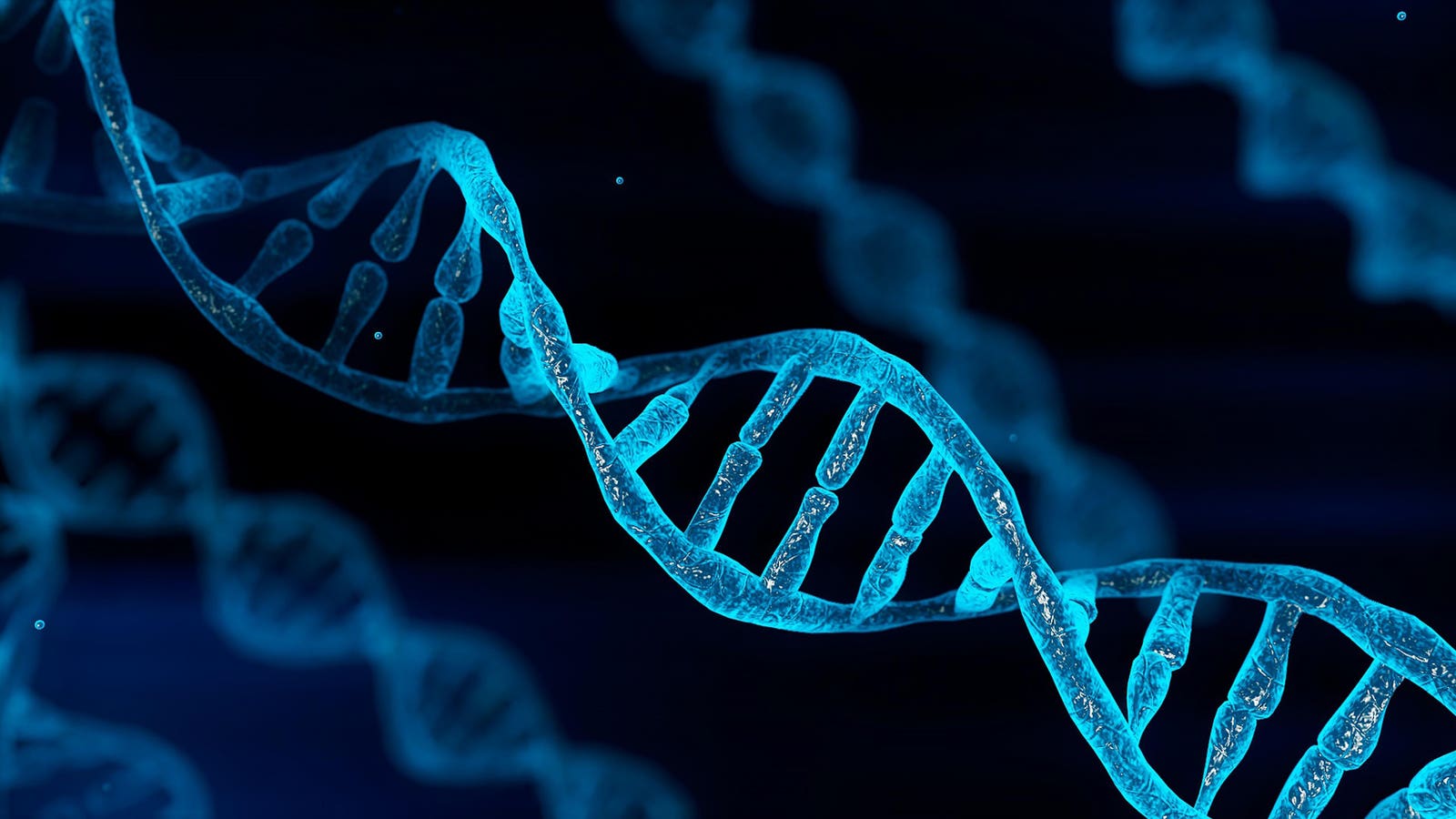
Magnetic tape, in particular, has continued to evolve, with several startups actively developing technology for long-term data storage. Additionally, a few pioneering companies are working on storing digital data on synthetic DNA, which has the potential to revolutionize the industry. One such company is Atlas Data Storage, which was spun out from Twist Bioscience in May 2025 with a substantial $155 million in seed funding. Atlas has recently announced the Atlas Eon 100, a scalable DNA storage service that promises to transform the way we store and preserve digital data.
Atlas Data Storage and the Power of Synthetic DNA
Atlas Eon 100 utilizes synthetic DNA, which is artificially created and does not derive from living organisms. This technology boasts several advantages, including being 1,000 times denser than magnetic media, encoded in a universal and time-tested format, efficient to copy, easy to transport, and remarkably durable. The company’s founder, Bill Banyai, envisions Atlas Eon 100 as a solution for long-term archiving, data preservation for AI models, and safeguarding heritage and high-value content. The Atlas Eon 100 was officially showcased at the Association of Moving Image Archivists (AMIA) Conference in Baltimore, Maryland, on December 3.
While DNA storage is still in its infancy, it has the potential to offer unparalleled durability and redundancy. DNA can last for an extended period with minimal degradation if stored in a cool, humidity-free environment. The primary challenge facing DNA storage is the speed at which DNA base pairs can be written and read. However, the rate of progress in DNA writing and reading has been steadily increasing, driven by advancements in DNA-based medical developments. If this trend continues, DNA data storage could reach speeds comparable to other technologies within the next decade.
The Future of Digital Data Preservation
DNA writing also offers a unique feature that could be highly valuable for archivists: the ability to produce millions of copies of the same synthetic DNA strands with a single write. This creates a natural way to create data redundancy, which can aid in recovering data during later reads and improve the odds of survival over the long term. As companies like Atlas Data Storage continue to push the boundaries of synthetic DNA storage, we may be on the cusp of a revolution in digital data preservation. With the ever-increasing demand for storage and memory, innovative solutions like Atlas Eon 100 are poised to play a crucial role in shaping the future of digital data storage.
In conclusion, the evolution of digital data storage is an ongoing process, driven by the increasing demand for storage and memory. As we explore new technologies like synthetic DNA storage, we may uncover innovative solutions that can help us preserve our digital heritage for generations to come. With companies like Atlas Data Storage at the forefront of this revolution, the future of digital data storage looks promising, and we can expect significant advancements in the years to come.




Community Mentorship Programs Help Strengthen Local Workforce and Social Impact

Low-Code Platforms are Changing How Businesses Build Internal Technology

Microlearning in Employee Training: A Practical Approach to Workplace Skill Development

Decision-Making Frameworks Improve Strategic Leadership and Organizational Clarity

Career Ladder Programs Strengthen Workforce Development and Employee Retention

Workplace Recognition Programs Improve Organizational Culture and Employee Engagement

Why Mental Endurance is Essential for Workplace Resilience

What Informational Interviews are and Why they Matter

How Emotional Intelligence Can Help You Manage Stress and Build Resilience

Interview with Dr. Kristy K. Taylor, WORxK Global News Magazine Founder

Sarah Herrlinger Talks AirPods Pro Hearing Aid

NetWork Your Way to Success: Top Tips for Maximizing Your Professional Network

Unlocking Human Potential: Kim Groshek’s Journey to Transforming Leadership and Stress Resilience

The Power of Belonging: Why Feeling Accepted Matters in the Workplace

Health-care stocks fall after Warren PBM bill, Brian Thompson shooting

Glenda Benevides: Creating Global Impact Through Music
-
 Resiliency7 months ago
How Emotional Intelligence Can Help You Manage Stress and Build Resilience
-
 Career Advice1 year ago
Interview with Dr. Kristy K. Taylor, WORxK Global News Magazine Founder
-
 Diversity and Inclusion (DEIA)1 year ago
Sarah Herrlinger Talks AirPods Pro Hearing Aid
-
 Career Advice1 year ago
NetWork Your Way to Success: Top Tips for Maximizing Your Professional Network
-
 Changemaker Interviews1 year ago
Unlocking Human Potential: Kim Groshek’s Journey to Transforming Leadership and Stress Resilience
-
 Diversity and Inclusion (DEIA)1 year ago
The Power of Belonging: Why Feeling Accepted Matters in the Workplace
-
 Global Trends and Politics1 year ago
Health-care stocks fall after Warren PBM bill, Brian Thompson shooting
-
 Changemaker Interviews12 months ago
Glenda Benevides: Creating Global Impact Through Music