
Innovation and Technology
Bringing Advanced Semiconductor Manufacturing Back To The U.S.

Introduction to The Prototype
The tech sector drives the U.S. economy, which in turn is undergirded by the semiconductor chips that power servers, computers, phones and more. Even though these chips are mostly designed domestically, they’re not made in America: Nearly 90% are imported.
Florida Semiconductor Engine
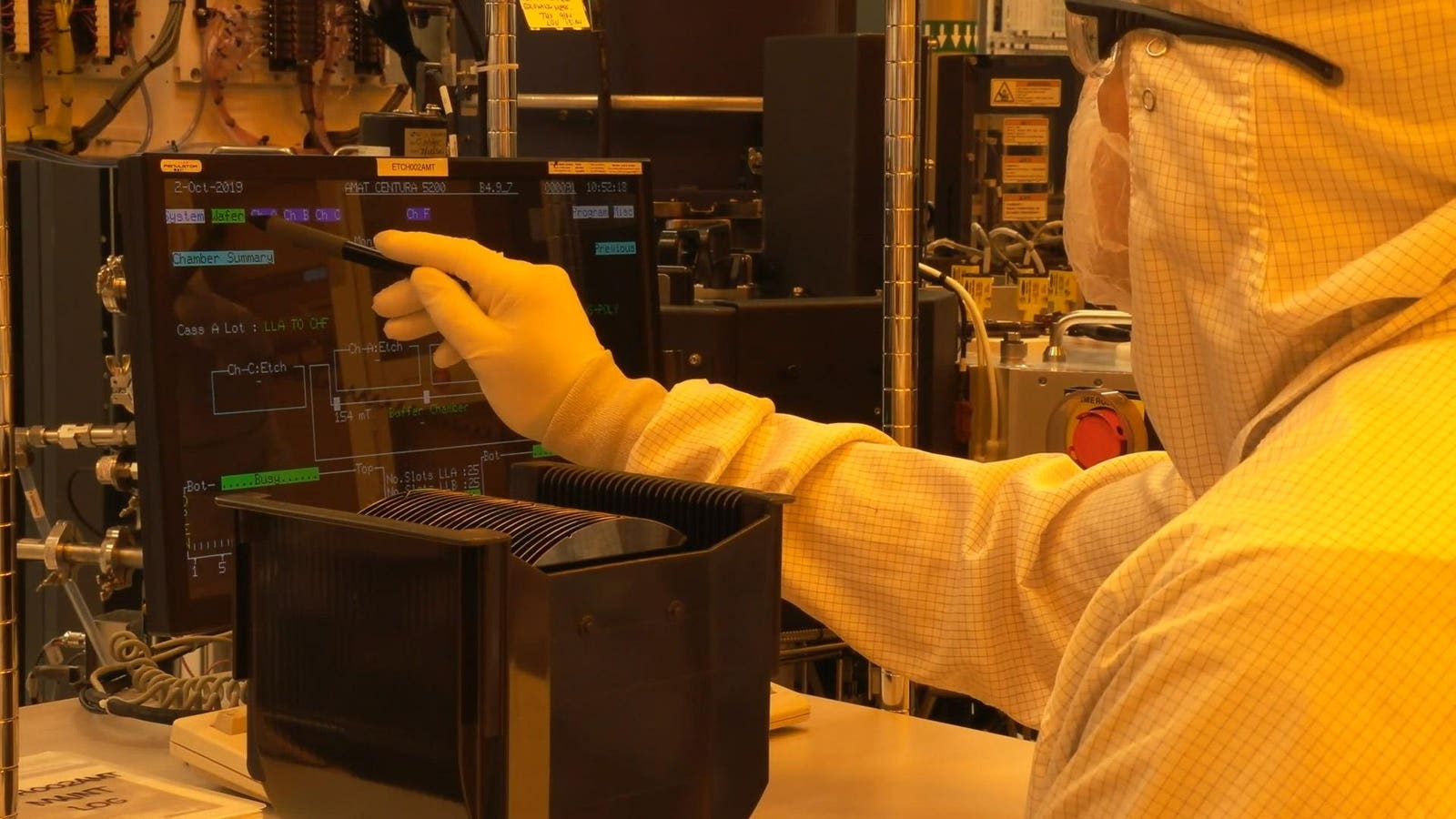
Tawny Olore, the CEO of the Florida Semiconductor Engine, wants to help fix this issue. The Florida Semiconductor Engine is one of 10 regional networks backed by a two-year, $15 million grant from the National Science Foundation. Half of that money is going towards research and development, for which it has five major projects. These include developing improved hardware security, designing 6G chips for the next generation of mobile internet and a project to build cryogenic, superconducting chips for AI and other forms of advanced computing.
The other half of the spend is geared towards workforce development programs to ensure that there are people with the skills needed for the jobs the Engine hopes to bring back to the U.S. For example, it helped to develop an Associate’s Degree for semiconductor engineering at Valencia College. The program, which is enrolling its first students this Fall, will train students to work in cleanrooms and operate the delicate equipment used to make chips.
IBM Hit A Biotech Quantum Milestone
IBM ran its simulation of mRNA structures on its Heron quantum processor. Last month, IBM rolled out its framework for building a “fault-tolerant” quantum computer–one that can solve practical problems with low rates of error caused by the physics of its operations–by 2029. One major part of that is understanding what business problems exist that quantum computing can play a role in solving. One potential area is drug development. IBM has been working with biotech company Moderna since 2023, finding new techniques to predict the structures of messenger RNA (mRNA), which is at the core of Moderna’s Covid vaccine and a number of other therapies it’s developing.
Discovery of the Week: New Material Cleans Forever Chemicals from Water
Researchers at the University of Utah have invented a new material that can clean Perfluorooctanoic acid (PFOA) from water sources. PFOA belongs to the family of “forever chemicals” that can contaminate soil and water without breaking down, and exposure to it can cause cancer. The new zirconium-based material not only attracts and absorbs PFOA, it also lights up when it does so, letting any engineers know that the forever chemical is present in a body of water.
Final Frontier: South Korea Plans a Moon Base
In a public hearing earlier this week, South Korea’s space agency laid out a roadmap for its exploration of space. The agency is making its own plans to establish a permanent moon base by the year 2045. To help it get there, it will develop its own capabilities to launch and land humans on the lunar surface by 2040.
What Else I Wrote This Week
In my other newsletter, InnovationRx, Amy Feldman and I looked at Sarepta’s showdown with the FDA over its gene therapy for Duchenne Muscular Dystrophy, the FDA’s new top drug regulator, a biotech company’s strategy to fight cancer, a startup’s therapy chatbot, and more.
Science and Tech Tidbits
Astronomers found an object in the outer solar system that seems to be moving in sync with Neptune. About 56 miles in diameter, it circles the Sun once for every ten times it takes the eighth planet. The orbits are in sync at this ratio despite being millions of miles apart, something that hasn’t been seen before by scientists. Researchers at the University of California, Riverside have discovered a way to repair DNA that’s been damaged by environmental stress, which could one day lead to prevention of afflictions like arthritis and inflammatory bowel disease. Around 10 million people live with HTLV-1 infection, which can lead to inflammatory diseases or even forms of cancer, but it currently has no treatments or vaccines. However, new research with mice suggests that existing HIV drugs could help prevent both transmission and disease.
Pro Science Tip: Get Your 7,000 Steps a Day
It’s long been a common rule of thumb to aim for 10,000 steps a day for optimal health, which can be a challenge for those who are stuck at their desks for work all day. But a new study suggests that you can get the same benefit with nearly one-third fewer steps. In a review of 57 different studies conducted in over ten countries, the researchers’ analysis found walking around 7,000 steps a day reduced the risk of dementia and type two diabetes, and had other benefits as well.
What’s Entertaining Me This Week
This month marks the 100th anniversary of the “Scopes Monkey Trial”—in which schoolteacher John T. Scopes was found guilty of violating a Tennessee law that prohibited teaching the theory of evolution. So I kicked back and watched Inherit the Wind, Stanley Kramer’s adaptation of the play of the same name, which is a fictionalized version of the Scopes trial.
More from Forbes
South Park’s creators are now billionaires. How Jeffrey Epstein got so rich. Chicago’s Kumiko named world’s best bar at 2025 Spirited Awards.
Conclusion
The tech sector is constantly evolving, with new advancements and discoveries being made every day. From the development of new semiconductor chips to the use of quantum computing in biotech, there are many exciting developments on the horizon. Additionally, researchers are working to solve some of the world’s most pressing problems, such as cleaning forever chemicals from water and developing new treatments for diseases. As we look to the future, it will be interesting to see how these developments shape our world and improve our lives.
FAQs
Q: What is the Florida Semiconductor Engine?
A: The Florida Semiconductor Engine is a regional network backed by a two-year, $15 million grant from the National Science Foundation, aimed at bringing advanced semiconductor R&D to Florida.
Q: What is IBM working on with Moderna?
A: IBM is working with Moderna to predict the structures of messenger RNA (mRNA) using quantum computing, which could lead to new techniques for drug development.
Q: What is the new material that can clean forever chemicals from water?
A: The new material is a zirconium-based material that can attract and absorb PFOA, a type of forever chemical, and also lights up when it does so.
Q: What is South Korea’s plan for space exploration?
A: South Korea’s space agency plans to establish a permanent moon base by 2045 and develop its own capabilities to launch and land humans on the lunar surface by 2040.
Q: How many steps a day are recommended for optimal health?
A: A new study suggests that walking around 7,000 steps a day can have the same benefits as walking 10,000 steps a day, including reducing the risk of dementia and type two diabetes.




Community Mentorship Programs Help Strengthen Local Workforce and Social Impact

Low-Code Platforms are Changing How Businesses Build Internal Technology

Microlearning in Employee Training: A Practical Approach to Workplace Skill Development

Decision-Making Frameworks Improve Strategic Leadership and Organizational Clarity

Career Ladder Programs Strengthen Workforce Development and Employee Retention

Workplace Recognition Programs Improve Organizational Culture and Employee Engagement

Why Mental Endurance is Essential for Workplace Resilience

What Informational Interviews are and Why they Matter

How Emotional Intelligence Can Help You Manage Stress and Build Resilience

Interview with Dr. Kristy K. Taylor, WORxK Global News Magazine Founder

Sarah Herrlinger Talks AirPods Pro Hearing Aid

NetWork Your Way to Success: Top Tips for Maximizing Your Professional Network

Unlocking Human Potential: Kim Groshek’s Journey to Transforming Leadership and Stress Resilience

The Power of Belonging: Why Feeling Accepted Matters in the Workplace

Health-care stocks fall after Warren PBM bill, Brian Thompson shooting

Glenda Benevides: Creating Global Impact Through Music
-
 Resiliency7 months ago
How Emotional Intelligence Can Help You Manage Stress and Build Resilience
-
 Career Advice1 year ago
Interview with Dr. Kristy K. Taylor, WORxK Global News Magazine Founder
-
 Diversity and Inclusion (DEIA)1 year ago
Sarah Herrlinger Talks AirPods Pro Hearing Aid
-
 Career Advice1 year ago
NetWork Your Way to Success: Top Tips for Maximizing Your Professional Network
-
 Changemaker Interviews1 year ago
Unlocking Human Potential: Kim Groshek’s Journey to Transforming Leadership and Stress Resilience
-
 Diversity and Inclusion (DEIA)1 year ago
The Power of Belonging: Why Feeling Accepted Matters in the Workplace
-
 Global Trends and Politics1 year ago
Health-care stocks fall after Warren PBM bill, Brian Thompson shooting
-
 Changemaker Interviews12 months ago
Glenda Benevides: Creating Global Impact Through Music