
Innovation and Technology
China’s AI Assistants Pose Privacy Risks

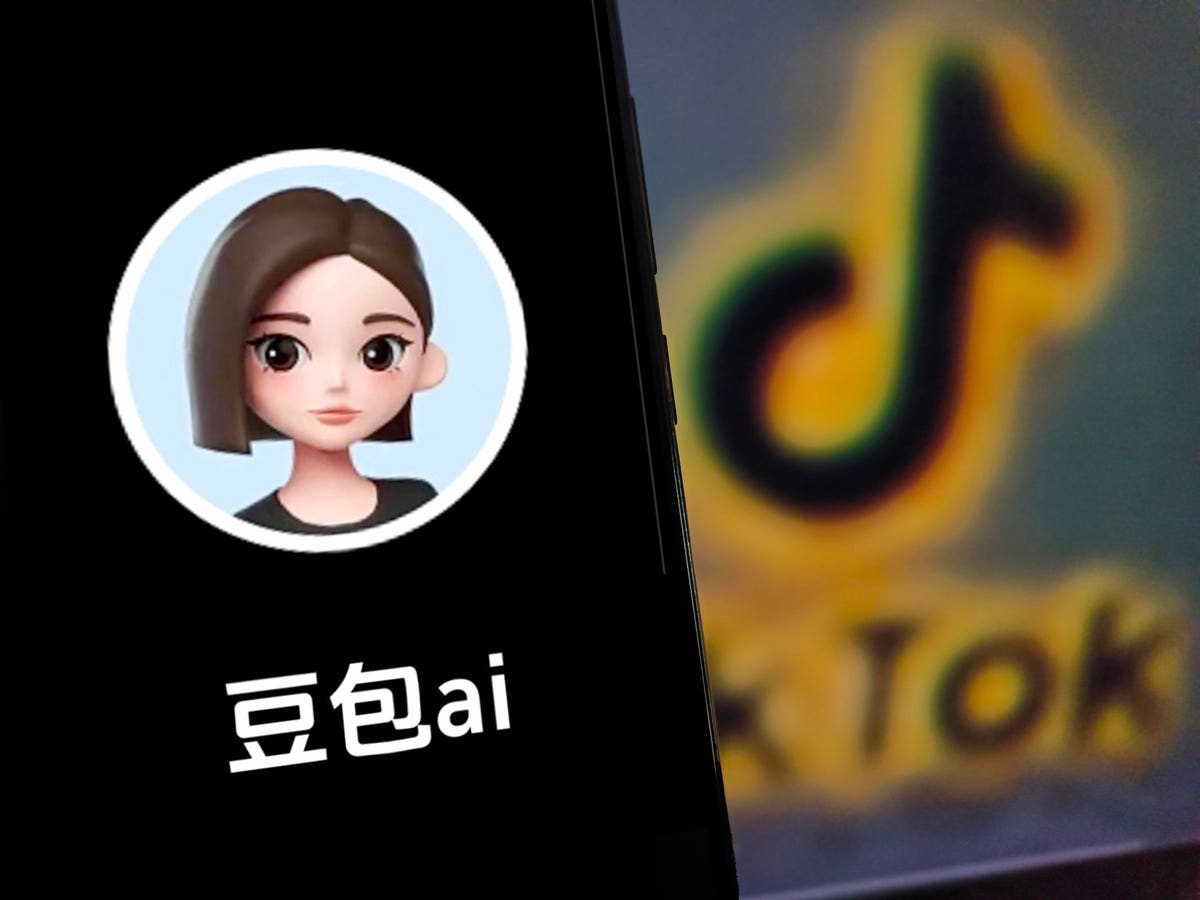
The global artificial intelligence industry is shifting towards the development of intelligent agents that can plan, execute, and assist across multiple domains. These tools are designed to handle tasks autonomously, sometimes with minimal prompting. In China, the rise of “screen-aware” agents, AI assistants that can view, interpret, and act based on what’s displayed on the user’s screen, represents a significant shift in how AI is being embedded into everyday computing.
The Rise of Doubao AI
One notable example is ByteDance’s Doubao AI, a consumer-facing assistant that introduced a Screen Sharing Call feature. With the user’s permission, the tool gains visibility over everything currently shown on the desktop during a voice interaction. It can read WeChat conversations, solve math problems on-screen, identify active applications, and summarize video clips – all without switching context. This design echoes Microsoft’s Recall feature, which was built to help users remember on-screen activities by capturing snapshots.
Technical Enablers and Privacy Concerns
The key technical enabler behind Doubao AI’s feature is access to a system-level setting known as accessibility services. Originally designed to help users with disabilities, this permission grants apps the ability to view and interact with nearly all visual elements on the screen. While the feature does request user consent, the language used is often technical, and the implications are not always clear. The information interpreted by Doubao AI is uploaded to ByteDance’s servers for processing, introducing concerns about data storage, misuse, and unauthorized access.
An Ecosystem-Level Shift
Doubao isn’t an outlier; other Chinese developers are rolling out screen-aware capabilities. Zhipu AI’s GLM-PC can carry out cross-application tasks on the desktop, while AutoGLM is focused on browser-based actions. Smartphone manufacturers like Xiaomi, OPPO, Honor, and Vivo are embedding similar AI functions at the system level, often relying on accessibility permissions to parse visual content. In some cases, these integrations happen with minimal user notification, shifting more responsibility onto users to understand what they’ve enabled.
Diverging Philosophies
The differing responses to screen-aware AI in China and the West reflect deeper contrasts in how AI is being developed and governed. In the U.S. and Europe, AI assistants are typically sandboxed using formal APIs, explicit tool integrations, and clear scopes of action. Developers emphasize consent mechanisms and often shape deployment timelines around public feedback. In China, the reliance on accessibility services and GUI-based interpretation allows for quicker integration across apps and platforms but often with less granular control.
Balancing Promise and Risk
Screen-aware assistants are not inherently problematic; used carefully, they can enhance productivity, improve accessibility, and simplify digital tasks. However, the impact depends on how they’re implemented and how well users understand them. Key challenges include transparency, consent, boundaries, and data handling. Without clear answers to these questions, screen-sharing by default could become normalized before its implications are fully understood.
Looking Ahead
As AI assistants evolve into intelligent agents capable of multistep reasoning and cross-platform actions, visual context will almost certainly become part of their toolkit. The question is not whether this trend will continue but whether the industry builds the right infrastructure to ensure it’s done responsibly. China’s deployment of these tools offers a preview of what’s technically possible and where frictionless design can lead. It also provides a cautionary tale: powerful AI features introduced without transparency risk undermining trust just as AI enters more personal spaces.
Conclusion
The development of screen-aware AI assistants represents a pivotal shift in how we interact with machines. For these assistants to be true partners, they must be built on a foundation of clarity, respect, and informed choice. Developers, regulators, and users alike would benefit from treating screen-aware agents not as a niche product tweak but as a fundamental change in the relationship between humans and technology. By addressing the challenges of transparency, consent, and data handling, we can ensure that the benefits of screen-aware AI are realized while minimizing the risks.
FAQs
- What are screen-aware AI assistants?
Screen-aware AI assistants are tools designed to view, interpret, and act based on what’s displayed on the user’s screen, enhancing their ability to provide contextual help and assistance. - How do screen-aware AI assistants work?
These assistants work by accessing system-level settings such as accessibility services, which allow them to view and interact with nearly all visual elements on the screen. - What are the benefits of screen-aware AI assistants?
The benefits include enhanced productivity, improved accessibility, and simplified digital tasks, as they can provide more relevant and contextual help based on what’s currently displayed on the screen. - What are the concerns associated with screen-aware AI assistants?
Concerns include transparency, consent, boundaries, and data handling, as the feature may upload interpreted data to servers for processing, raising questions about data storage, misuse, and unauthorized access. - How can the risks associated with screen-aware AI assistants be mitigated?
The risks can be mitigated by ensuring transparency, obtaining clear and informed consent, setting boundaries on what the assistant can see or do, and implementing robust data handling practices that respect user privacy.




Community Mentorship Programs Help Strengthen Local Workforce and Social Impact

Low-Code Platforms are Changing How Businesses Build Internal Technology

Microlearning in Employee Training: A Practical Approach to Workplace Skill Development

Decision-Making Frameworks Improve Strategic Leadership and Organizational Clarity

Career Ladder Programs Strengthen Workforce Development and Employee Retention

Workplace Recognition Programs Improve Organizational Culture and Employee Engagement

Why Mental Endurance is Essential for Workplace Resilience

What Informational Interviews are and Why they Matter

How Emotional Intelligence Can Help You Manage Stress and Build Resilience

Interview with Dr. Kristy K. Taylor, WORxK Global News Magazine Founder

Sarah Herrlinger Talks AirPods Pro Hearing Aid

NetWork Your Way to Success: Top Tips for Maximizing Your Professional Network

Unlocking Human Potential: Kim Groshek’s Journey to Transforming Leadership and Stress Resilience

The Power of Belonging: Why Feeling Accepted Matters in the Workplace

Health-care stocks fall after Warren PBM bill, Brian Thompson shooting

Glenda Benevides: Creating Global Impact Through Music
-
 Resiliency7 months ago
How Emotional Intelligence Can Help You Manage Stress and Build Resilience
-
 Career Advice1 year ago
Interview with Dr. Kristy K. Taylor, WORxK Global News Magazine Founder
-
 Diversity and Inclusion (DEIA)1 year ago
Sarah Herrlinger Talks AirPods Pro Hearing Aid
-
 Career Advice1 year ago
NetWork Your Way to Success: Top Tips for Maximizing Your Professional Network
-
 Changemaker Interviews1 year ago
Unlocking Human Potential: Kim Groshek’s Journey to Transforming Leadership and Stress Resilience
-
 Diversity and Inclusion (DEIA)1 year ago
The Power of Belonging: Why Feeling Accepted Matters in the Workplace
-
 Global Trends and Politics1 year ago
Health-care stocks fall after Warren PBM bill, Brian Thompson shooting
-
 Changemaker Interviews12 months ago
Glenda Benevides: Creating Global Impact Through Music