
Global Trends and Politics
Chris Parker on Geopolitical Shifts, Rising Costs, and What It Means for Businesses

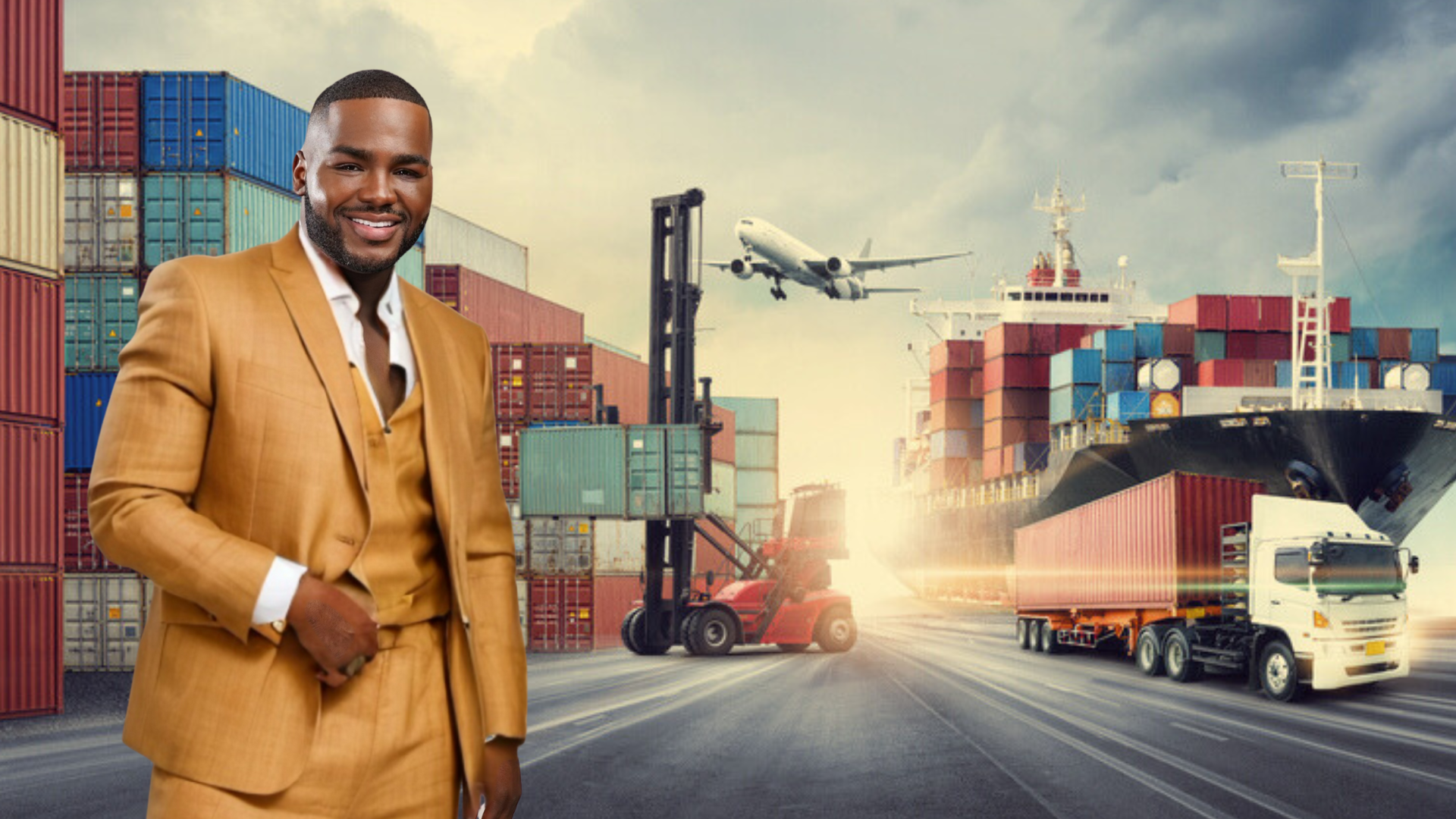
The Global Ripple Effect
“Geopolitical shifts doesn’t just affect governments—it affects the cost of everyday business,” Chris Parker explains. “From supply chain disruptions to rising fuel costs, what happens overseas can shape what a business owner in Los Angeles or Atlanta is paying for raw materials, packaging, or even digital services.”
Recent conflicts and trade disputes have created volatile markets where prices fluctuate unpredictably. Small businesses that once relied on inexpensive overseas suppliers are now seeing shipping costs double, timelines stretch, and margins shrink.
Inflation as the New Normal
Inflation is another layer of pressure. “We’re living in a moment where inflation is not a spike—it’s a reality,” Parker says. “Everything from groceries to advertising costs more. If you’re running a business, you’re not just competing with other brands, you’re competing with the consumer’s rent, gas, and food bill.”
This shift demands strategy. Businesses must rethink pricing models, diversify suppliers, and become more transparent with customers about why prices are changing. Parker points out that consumers aren’t blind—they’re experiencing inflation themselves. Brands that acknowledge the struggle rather than ignoring it build more loyalty.
Adaptation and Opportunity
Despite the challenges, Parker believes turbulent times create new openings.
- E-commerce entrepreneurs can pivot faster than legacy companies, testing new suppliers, adjusting shipping methods, or exploring dropshipping to cut overhead.
- Digital-first brands are less exposed to real estate inflation, giving them flexibility to reinvest in marketing or customer retention.
- Niche players who solve specific problems can command loyalty and even premium pricing, as consumers increasingly spend where they feel value and connection.
The Leadership Mindset
“The leaders who will survive this era are the ones who are proactive, not reactive,” Parker says. “That means constantly scanning the horizon—looking at politics, economics, and culture—and making moves before your competitors.”
He encourages entrepreneurs not to panic, but to diversify revenue streams. “When one lane tightens—say international shipping—you need another stream that keeps cash flow steady. Whether it’s consulting, digital products, or domestic partnerships, multiple income sources are no longer optional. They’re essential.”
Closing Thoughts
Chris Parker’s career has always been about anticipating shifts—whether in music, fashion, or digital branding. His take on today’s geopolitical and economic climate is clear: while uncertainty is uncomfortable, it’s also a chance for businesses to become smarter, leaner, and more resilient.
“Inflation and political shifts are not passing storms,” Parker concludes. “They’re shaping a new normal. The entrepreneurs who adapt now will be the ones still standing—and thriving—five years from now.”
Connect with Parker on instagram, @parkerxl and www.truetobrand.com.




Community Mentorship Programs Help Strengthen Local Workforce and Social Impact

Low-Code Platforms are Changing How Businesses Build Internal Technology

Microlearning in Employee Training: A Practical Approach to Workplace Skill Development

Decision-Making Frameworks Improve Strategic Leadership and Organizational Clarity

Career Ladder Programs Strengthen Workforce Development and Employee Retention

Workplace Recognition Programs Improve Organizational Culture and Employee Engagement

Why Mental Endurance is Essential for Workplace Resilience

What Informational Interviews are and Why they Matter

How Emotional Intelligence Can Help You Manage Stress and Build Resilience

Interview with Dr. Kristy K. Taylor, WORxK Global News Magazine Founder

Sarah Herrlinger Talks AirPods Pro Hearing Aid

NetWork Your Way to Success: Top Tips for Maximizing Your Professional Network

Unlocking Human Potential: Kim Groshek’s Journey to Transforming Leadership and Stress Resilience

The Power of Belonging: Why Feeling Accepted Matters in the Workplace

Health-care stocks fall after Warren PBM bill, Brian Thompson shooting

Glenda Benevides: Creating Global Impact Through Music
-
 Resiliency7 months ago
How Emotional Intelligence Can Help You Manage Stress and Build Resilience
-
 Career Advice1 year ago
Interview with Dr. Kristy K. Taylor, WORxK Global News Magazine Founder
-
 Diversity and Inclusion (DEIA)1 year ago
Sarah Herrlinger Talks AirPods Pro Hearing Aid
-
 Career Advice1 year ago
NetWork Your Way to Success: Top Tips for Maximizing Your Professional Network
-
 Changemaker Interviews1 year ago
Unlocking Human Potential: Kim Groshek’s Journey to Transforming Leadership and Stress Resilience
-
 Diversity and Inclusion (DEIA)1 year ago
The Power of Belonging: Why Feeling Accepted Matters in the Workplace
-
 Global Trends and Politics1 year ago
Health-care stocks fall after Warren PBM bill, Brian Thompson shooting
-
 Changemaker Interviews12 months ago
Glenda Benevides: Creating Global Impact Through Music