
Diversity and Inclusion (DEIA)
Disability Charities Excluding Disabled People From Leadership Roles

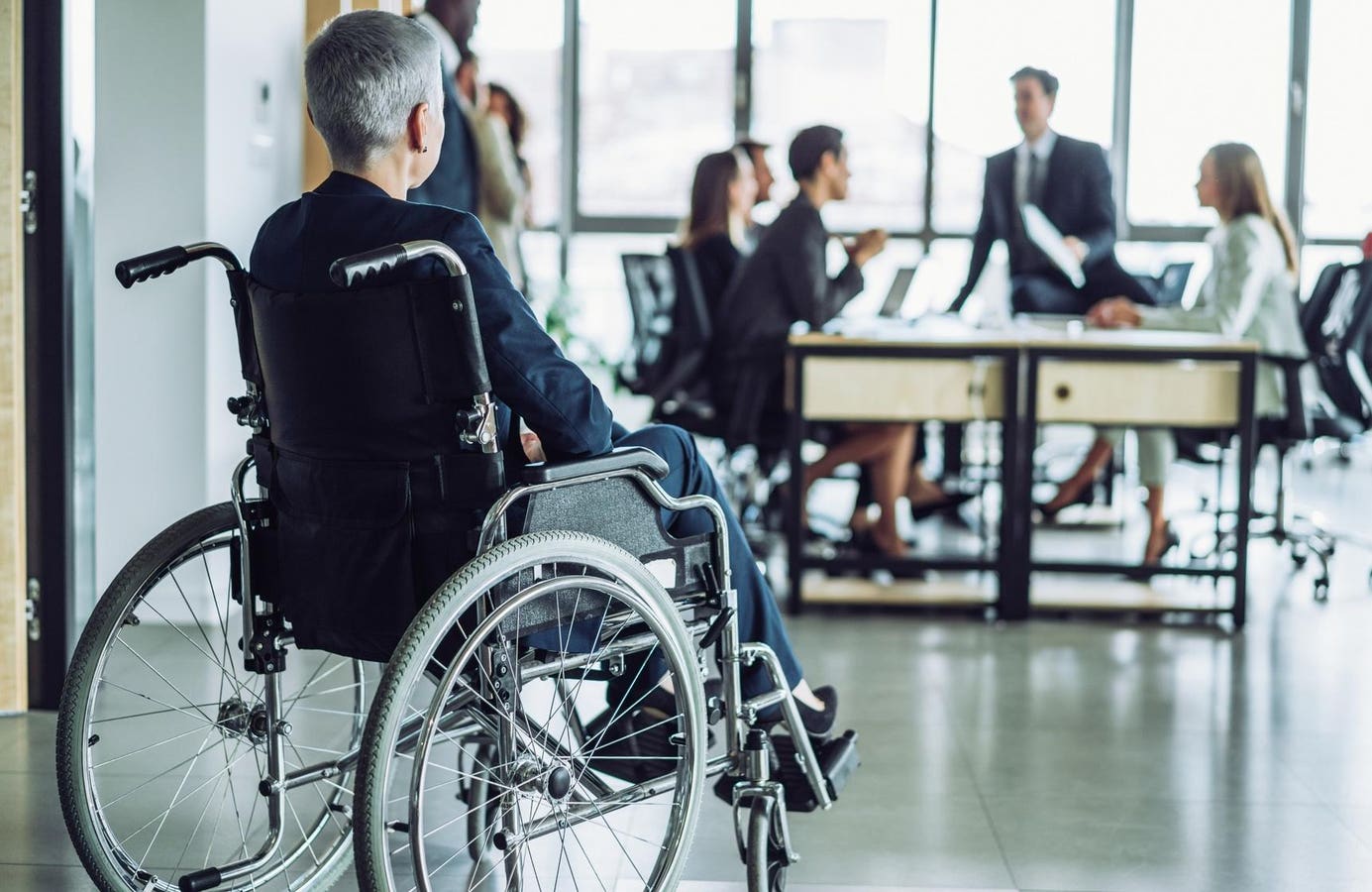
Discussions on Disability Representation in Non-Profit Organizations
The reasons are clear. “Nothing about us, without us” is a well-established mantra within the disability rights movement. It therefore makes sense that some activists feel that organizations that purport to speak on behalf of certain sections of the disability community should also be led, at least at some level, by individuals from that community. To have it any other way is tantamount to cultural appropriation of the lived experience of disability by non-disabled individuals.
Accusations Against Disability Charities
These issues were brought into sharp focus in the U.K. earlier this month after a coalition of Disabled People’s Organizations alongside Disability Rights UK accused some of the country’s major disability charities of actively harming the interests of disabled people. DPOs are often themselves charities but are different from similar non-profits as they are led by disabled people as part of their basic governance.
Coalition’s Response
In addressing the role of the large charities, the response reads:
“They appropriate our language about empowerment yet do not share their access to decision-makers or people in power with us.
“They take up the majority of funding going into the disability space whilst not letting Disabled people lead their organizations, campaigns and policy work.
“This perpetuates the paternalistic and charitable marginalization of Disabled people.”
Further adding, “Despite our 45-year track record in advancing disability rights and systemic change, we face substantial challenges in securing meaningful engagement and funding compared to disability charities not led by disabled people.”
A Complex Picture
However, when looking at the U.K. non-profit sector as a whole, rather than just disability-focused charities specifically, it would appear that non-profits are amongst the top employers of disabled people in the country. According to the National Council for Voluntary Organizations, 25% of civil society workers identify as being disabled in contrast to just 17% in the wider economy. On that crucial question of disability representation at the leadership level, according to the 2023 Pay and Equality Survey published by the Association of Chief Executives of Voluntary Organisations, 25% of sector CEOs reported having a “disability, learning difference or health condition”, up from 20% in 2022 and 17% the previous year. This contrasts to the representation of people with other protected characteristics across the sector which appears to be on the decline.
Conclusion
Despite the positive signs, the points emphasized by the DPOS in relation to disability charities in particular surely hold water, especially when taking into account the uniqueness and `authenticity of the lived experience of disability and its associated marginalizations.
Unfortunately, now going into 2025, DPOs still find themselves rowing against the tide of history. Those major charities they so lament continue to maintain a brand and a footprint unrivaled in the space and reversing this, if indeed that would be a desirable outcome at all, can’t happen overnight. Moreover, the size of such organizations and the budgets they wield do tend to call for experienced industry leaders at the very top. Decades of employment inequality and injustice mean that such individuals don’t usually hail from the disability community. Change will inevitably be slow but it can surely be hastened by the government and wider society acknowledging the unique and powerful role DPOs should be allowed to play and to begin clearing a space for this to grow.
Frequently Asked Questions
Q: What is the main issue with disability representation in non-profit organizations?
A: The main issue is that non-profit organizations that claim to represent the interests of disabled people are often led by non-disabled individuals, which can lead to cultural appropriation and marginalization of the disability community.
Q: What is the difference between DPOs and disability charities?
A: DPOs are charities that are led by disabled people as part of their basic governance, whereas disability charities are often led by non-disabled individuals.
Q: What is the coalition’s response to the situation?
A: The coalition, comprised of Disabled People’s Organizations and Disability Rights UK, has accused major disability charities of actively harming the interests of disabled people and perpetuating paternalistic and charitable marginalization.




Community Mentorship Programs Help Strengthen Local Workforce and Social Impact

Low-Code Platforms are Changing How Businesses Build Internal Technology

Microlearning in Employee Training: A Practical Approach to Workplace Skill Development

Decision-Making Frameworks Improve Strategic Leadership and Organizational Clarity

Career Ladder Programs Strengthen Workforce Development and Employee Retention

Workplace Recognition Programs Improve Organizational Culture and Employee Engagement

Why Mental Endurance is Essential for Workplace Resilience

What Informational Interviews are and Why they Matter

How Emotional Intelligence Can Help You Manage Stress and Build Resilience

Interview with Dr. Kristy K. Taylor, WORxK Global News Magazine Founder

Sarah Herrlinger Talks AirPods Pro Hearing Aid

NetWork Your Way to Success: Top Tips for Maximizing Your Professional Network

Unlocking Human Potential: Kim Groshek’s Journey to Transforming Leadership and Stress Resilience

The Power of Belonging: Why Feeling Accepted Matters in the Workplace

Health-care stocks fall after Warren PBM bill, Brian Thompson shooting

Glenda Benevides: Creating Global Impact Through Music
-
 Resiliency7 months ago
How Emotional Intelligence Can Help You Manage Stress and Build Resilience
-
 Career Advice1 year ago
Interview with Dr. Kristy K. Taylor, WORxK Global News Magazine Founder
-
 Diversity and Inclusion (DEIA)1 year ago
Sarah Herrlinger Talks AirPods Pro Hearing Aid
-
 Career Advice1 year ago
NetWork Your Way to Success: Top Tips for Maximizing Your Professional Network
-
 Changemaker Interviews1 year ago
Unlocking Human Potential: Kim Groshek’s Journey to Transforming Leadership and Stress Resilience
-
 Diversity and Inclusion (DEIA)1 year ago
The Power of Belonging: Why Feeling Accepted Matters in the Workplace
-
 Global Trends and Politics1 year ago
Health-care stocks fall after Warren PBM bill, Brian Thompson shooting
-
 Changemaker Interviews12 months ago
Glenda Benevides: Creating Global Impact Through Music