
Diversity and Inclusion (DEIA)
Diverse Talent, Diverse Minds

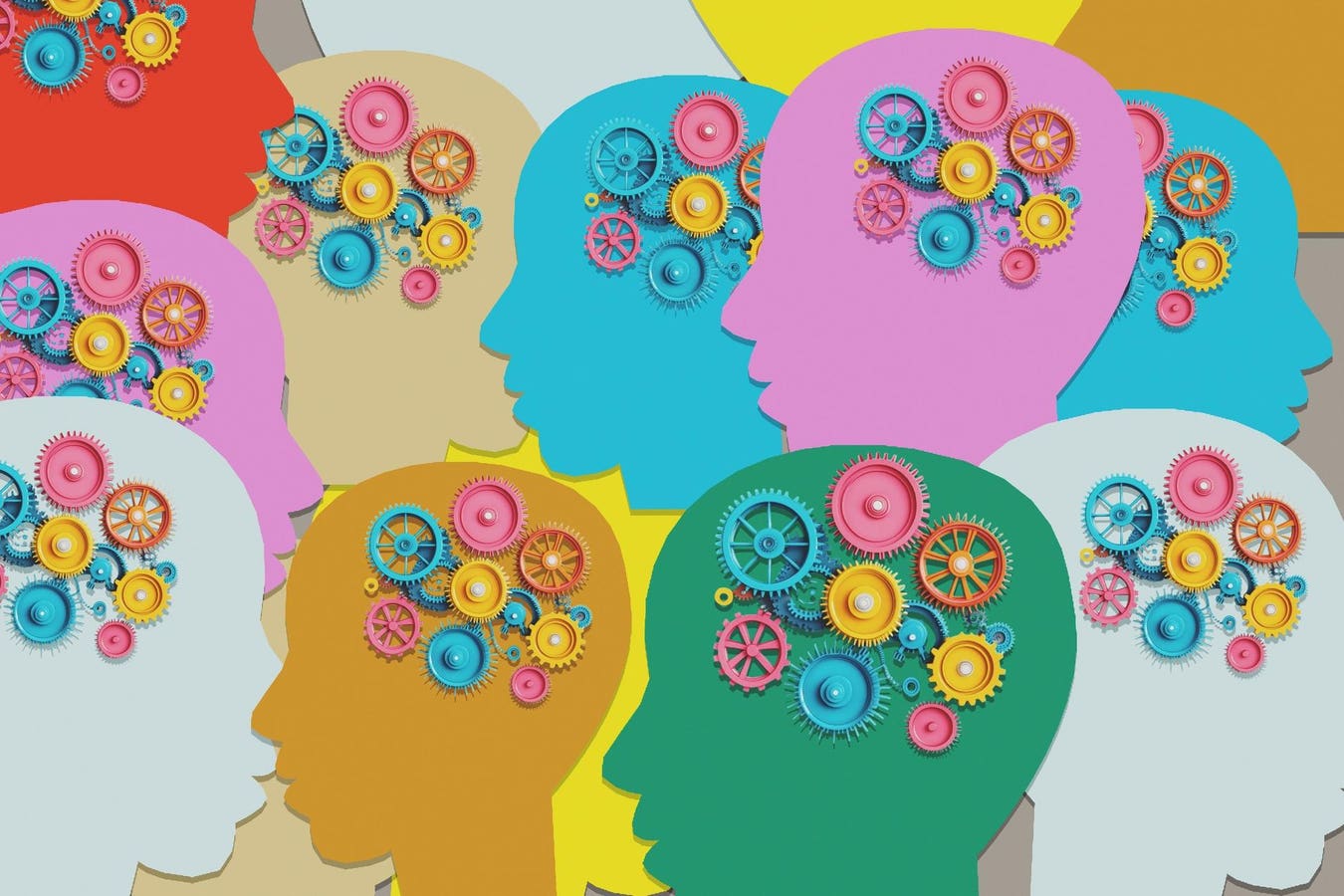
A Representation of Neurodiversity
In recent years, being neurodivergent has become less stigmatized. From creating employee resource groups (ERGs) for neurodivergent people to including neurodiversity in non-performative DEI efforts, one thing is clear— some neurodivergent people are finally being seen and heard.
Embrace Innovation and Creativity
Quite a few renowned innovators and changemakers have been neurodivergent. It’s important to note that people who have ADHD tend to be creative thinkers. Others are great problem solvers. Many get bursts of energy and become deeply immersed in projects and assignments. But ADHD is just one of many forms of neurodivergence. You may not know much about bipolar disorder outside of television and film, but business leaders like Ted Turner are very familiar with the mental health challenges that come with bipolar disorder. Despite having bipolar disorder, Turner founded CNN. He wasn’t just innovative in his profession pursuits— he built a media empire.
In terms of creativity, bipolar people have made major waves in business, media, and entertainment. From Robert Downey Jr. to Catherine Zeta Jones, plenty of actors and artists have bipolar disorder. And then there’s dyslexia, another form of neurodivergence that often results in challenges with reading. Having dyslexia didn’t hold highly successful business leaders like Charles Schwab back.
All of the people I mentioned above have one thing in common— they’re neurodivergent. Remember that neurodivergent people are not a monolith, but many of us excel in our careers due to being both innovative and creative.
Increase Diversity of Thought
Although there has been discussion about pushback against DEI, having diversity can be an essential part of a company’s success. The more diverse a company is, the more perspectives are brought to the table. And cultivating diversity includes hiring neurodivergent people. DEI efforts shouldn’t stop at performative training and hiring.
Rather than expecting us [neurodivergent people] to mask as neurotypical, embrace differences and use those differences as an asset to your company. Shift your company culture to be more diverse by hiring people who think and learn differently. Be open to learning from neurodivergent people who have an array of talents and perspectives. Accommodate the needs of neurodivergent people in order to show that you appreciate and value employees from all walks of life.
Build A More Inclusive Workforce
People may feel more appreciated at work when elements of their identity are represented in DEI efforts. Building a truly inclusive workforce means that neurodiversity is taken seriously. Inclusion does not stop at race and gender. Many conversations about DEI solely revolve around racial diversity and gender equity. But what about neurdiversity? Your company can’t have real workplace diversity without including neurodivergent people.
Know that there are inclusive business practices that can benefit your company and your neurodivergent employees. ERGs are a great way to make people from historically oppressed groups feel safe and seen at work. That’s why you should have an ERG for neurodivergent people at your company.
You can invite speakers to give presentations on neurodiversity in the workplace. Consider asking for feedback from neurodivergent employees about how your company can improve when it comes to neurodivergent representation and inclusion. And I’ll leave you with this— are you taking the proper steps to make your company more neurodiverse?
Conclusion
In conclusion, hiring neurodivergent people can be a valuable asset for companies. It’s essential to recognize the contributions neurodivergent individuals can make and create a culture that values and includes them. By embracing neurodiversity, companies can increase innovation, creativity, and diversity of thought, ultimately leading to a more successful and inclusive workplace.
FAQs
Q: What is neurodiversity?
A: Neurodiversity refers to the natural differences in the human brain that affect how individuals process and interpret information. It includes conditions such as ADHD, autism, dyslexia, and bipolar disorder, among others.
Q: Why should companies hire neurodivergent people?
A: Hiring neurodivergent people can bring unique perspectives, skills, and talents to the workplace. It can also help companies increase innovation, creativity, and diversity of thought, leading to a more successful and inclusive workplace.
Q: How can companies create a more inclusive workplace for neurodivergent employees?
A: Companies can create a more inclusive workplace for neurodivergent employees by providing accommodations such as flexible work arrangements, noise-cancelling headphones, and quiet spaces. They can also provide training and education on neurodiversity and create ERGs for neurodivergent employees.




Community Mentorship Programs Help Strengthen Local Workforce and Social Impact

Low-Code Platforms are Changing How Businesses Build Internal Technology

Microlearning in Employee Training: A Practical Approach to Workplace Skill Development

Decision-Making Frameworks Improve Strategic Leadership and Organizational Clarity

Career Ladder Programs Strengthen Workforce Development and Employee Retention

Workplace Recognition Programs Improve Organizational Culture and Employee Engagement

Why Mental Endurance is Essential for Workplace Resilience

What Informational Interviews are and Why they Matter

How Emotional Intelligence Can Help You Manage Stress and Build Resilience

Interview with Dr. Kristy K. Taylor, WORxK Global News Magazine Founder

Sarah Herrlinger Talks AirPods Pro Hearing Aid

NetWork Your Way to Success: Top Tips for Maximizing Your Professional Network

Unlocking Human Potential: Kim Groshek’s Journey to Transforming Leadership and Stress Resilience

The Power of Belonging: Why Feeling Accepted Matters in the Workplace

Health-care stocks fall after Warren PBM bill, Brian Thompson shooting

Glenda Benevides: Creating Global Impact Through Music
-
 Resiliency7 months ago
How Emotional Intelligence Can Help You Manage Stress and Build Resilience
-
 Career Advice1 year ago
Interview with Dr. Kristy K. Taylor, WORxK Global News Magazine Founder
-
 Diversity and Inclusion (DEIA)1 year ago
Sarah Herrlinger Talks AirPods Pro Hearing Aid
-
 Career Advice1 year ago
NetWork Your Way to Success: Top Tips for Maximizing Your Professional Network
-
 Changemaker Interviews1 year ago
Unlocking Human Potential: Kim Groshek’s Journey to Transforming Leadership and Stress Resilience
-
 Diversity and Inclusion (DEIA)1 year ago
The Power of Belonging: Why Feeling Accepted Matters in the Workplace
-
 Global Trends and Politics1 year ago
Health-care stocks fall after Warren PBM bill, Brian Thompson shooting
-
 Changemaker Interviews12 months ago
Glenda Benevides: Creating Global Impact Through Music