
Global Trends and Politics
Eli Lilly Weight Loss Drug Zepbound No Longer in Shortage

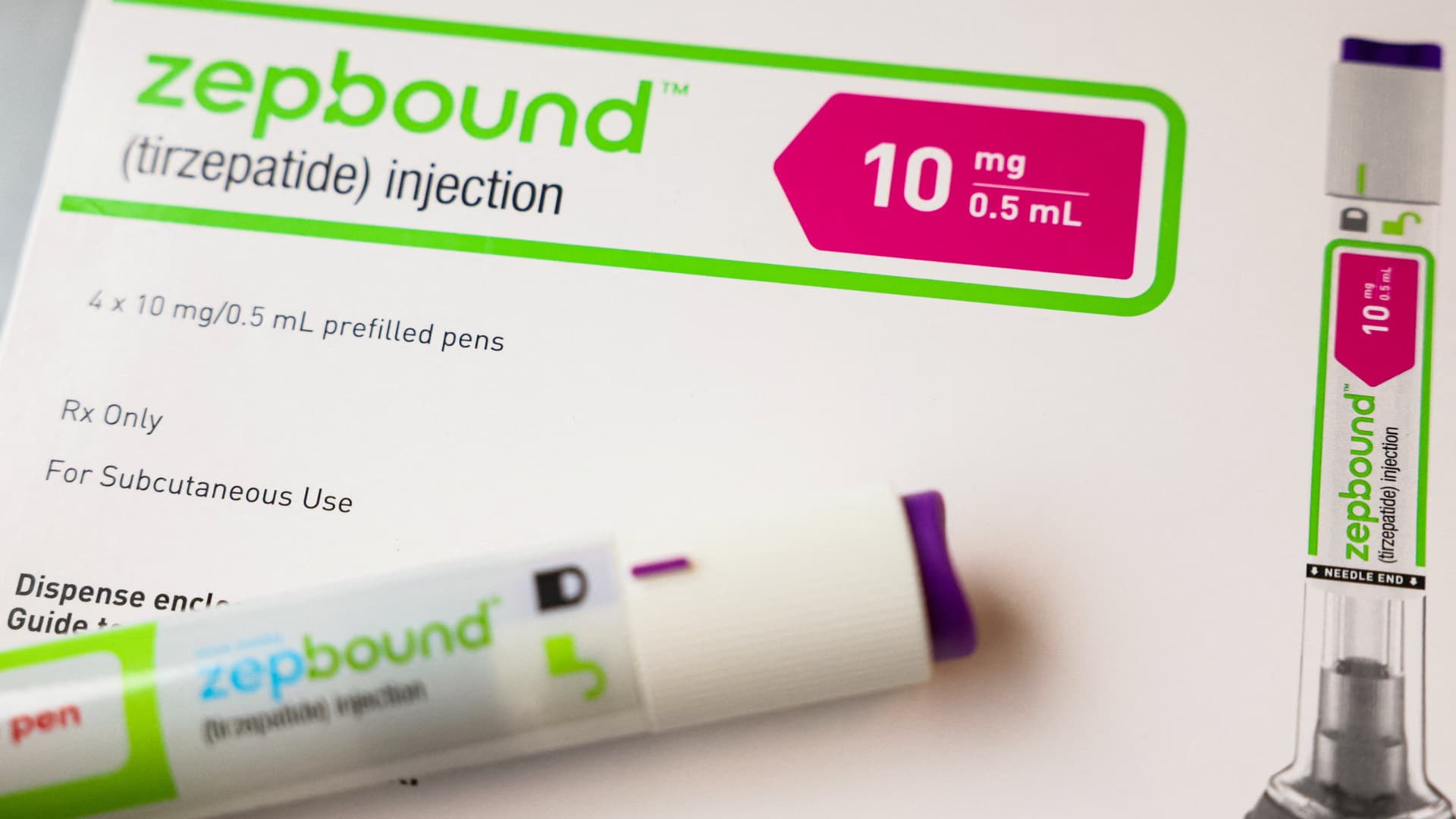
The Food and Drug Administration (FDA) has announced that the active ingredient in Eli Lilly’s weight loss drug Zepbound, tirzepatide, is no longer in shortage. This decision will eventually bar compounding pharmacies from making cheaper, unbranded versions of the injection.
End of Shortage Status
The FDA’s decision, based on a comprehensive analysis, marks the end of a period where certain pharmacies could make, distribute, or dispense unapproved versions of tirzepatide without facing repercussions for violations related to the treatment’s shortage status. Compounding pharmacies must stop making compounded versions of tirzepatide in the next 60 to 90 days, depending on the type of facility, the agency said. The FDA said that transition period will give patients time to switch to the branded version.
Impact on Compounding Pharmacies
The decision is a blow to some compounding pharmacies, which say their copycat drugs help patients who don’t have insurance coverage for Zepbound and can’t afford its hefty price tag of roughly $1,000 a month. Zepbound and other weight loss drugs are not covered by many insurance plans, but Eli Lilly’s diabetes counterpart Mounjaro is.
Background
Eli Lilly has invested billions to expand its manufacturing capacity for tirzepatide as it struggles to keep pace with unprecedented demand. A trade organization representing compounding pharmacies, the Outsourcing Facilities Association, sued the FDA on October 8 over the agency’s decision to remove tirzepatide from its official drug shortages list just days earlier. The group alleges the FDA acted without proper notice, ignoring evidence that a shortage of tirzepatide still exists.
Compounded Medications
Compounded medications are custom-made alternatives to branded drugs designed to meet a specific patient’s needs. When a brand-name medication is in shortage, compounding pharmacies can prepare copies of the drug if they meet certain requirements under federal law. However, the FDA does not review the safety and efficacy of compounded products, and the agency has urged consumers to take the approved, branded GLP-1 medications when they are available.
Conclusion
The FDA’s decision to remove tirzepatide from its shortage list marks the end of a period where compounding pharmacies could make unapproved versions of the injection. While this decision may be a blow to some compounding pharmacies, it will give patients time to switch to the branded version of the drug.
Frequently Asked Questions
Q: What is tirzepatide?
A: Tirzepatide is the active ingredient in Eli Lilly’s weight loss drug Zepbound.
Q: Why is tirzepatide no longer in shortage?
A: The FDA has determined that the shortage of tirzepatide injection products is resolved.
Q: What does this mean for compounding pharmacies?
A: Compounding pharmacies must stop making compounded versions of tirzepatide in the next 60 to 90 days, depending on the type of facility.
Q: Why are some compounding pharmacies making copycat drugs?
A: Some compounding pharmacies say their copycat drugs help patients who don’t have insurance coverage for Zepbound and can’t afford its hefty price tag.


Community Mentorship Programs Help Strengthen Local Workforce and Social Impact

Low-Code Platforms are Changing How Businesses Build Internal Technology

Microlearning in Employee Training: A Practical Approach to Workplace Skill Development

Decision-Making Frameworks Improve Strategic Leadership and Organizational Clarity

Career Ladder Programs Strengthen Workforce Development and Employee Retention

Workplace Recognition Programs Improve Organizational Culture and Employee Engagement

Why Mental Endurance is Essential for Workplace Resilience

What Informational Interviews are and Why they Matter

How Emotional Intelligence Can Help You Manage Stress and Build Resilience

Interview with Dr. Kristy K. Taylor, WORxK Global News Magazine Founder

Sarah Herrlinger Talks AirPods Pro Hearing Aid

NetWork Your Way to Success: Top Tips for Maximizing Your Professional Network

Unlocking Human Potential: Kim Groshek’s Journey to Transforming Leadership and Stress Resilience

The Power of Belonging: Why Feeling Accepted Matters in the Workplace

Health-care stocks fall after Warren PBM bill, Brian Thompson shooting

Glenda Benevides: Creating Global Impact Through Music
-
 Resiliency7 months ago
How Emotional Intelligence Can Help You Manage Stress and Build Resilience
-
 Career Advice1 year ago
Interview with Dr. Kristy K. Taylor, WORxK Global News Magazine Founder
-
 Diversity and Inclusion (DEIA)1 year ago
Sarah Herrlinger Talks AirPods Pro Hearing Aid
-
 Career Advice1 year ago
NetWork Your Way to Success: Top Tips for Maximizing Your Professional Network
-
 Changemaker Interviews1 year ago
Unlocking Human Potential: Kim Groshek’s Journey to Transforming Leadership and Stress Resilience
-
 Diversity and Inclusion (DEIA)1 year ago
The Power of Belonging: Why Feeling Accepted Matters in the Workplace
-
 Global Trends and Politics1 year ago
Health-care stocks fall after Warren PBM bill, Brian Thompson shooting
-
 Changemaker Interviews12 months ago
Glenda Benevides: Creating Global Impact Through Music